


AI is not magic: FabCafe’s ongoing quest to define our relationship with technology
FabCafe Tokyo is known for its diverse projects utilizing fabrication tools, materials and technology. The venue is equipped with digital fabrication machines such as 3D printers and laser cutters. In July 2025, the cafe hosted its first AI-focused exhibition, "AI is Not Magic."
Visitors might wonder why a fabrication cafe would host an exhibition about AI. The answer lies in FabCafe’s enduring commitment to exploring how we interact with technology. The cafe environment, which is open to everyone, provided fertile ground for these discussions.
As this article goes to press in the winter of 2025, FabCafe Tokyo is expanding on that vision with its current exhibition, "The Power of Openness: Opening Boundaries and Creating Relationships Together." The questions raised during the "AI is Not Magic" exhibition have evolved. They now connect to a broader exploration of openness that spans various technologies and projects beyond just AI.
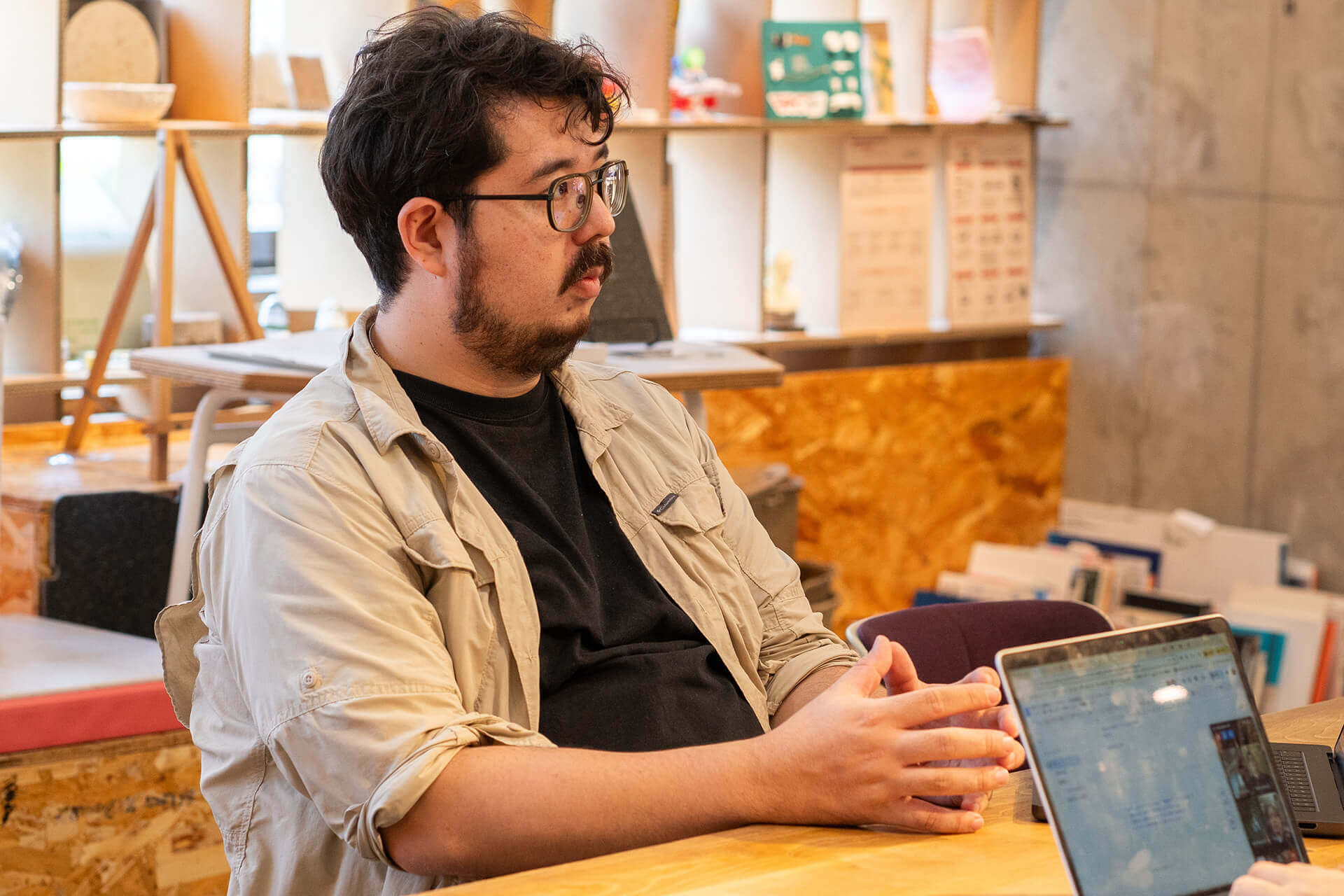
We sat down with Daiki Kanaoka, FabCafe Tokyo COO and CTO, to reflect on the July exhibition. We discussed how we should interact with technology and explored where these experiments are heading.
The “AI is Not Magic” exhibition
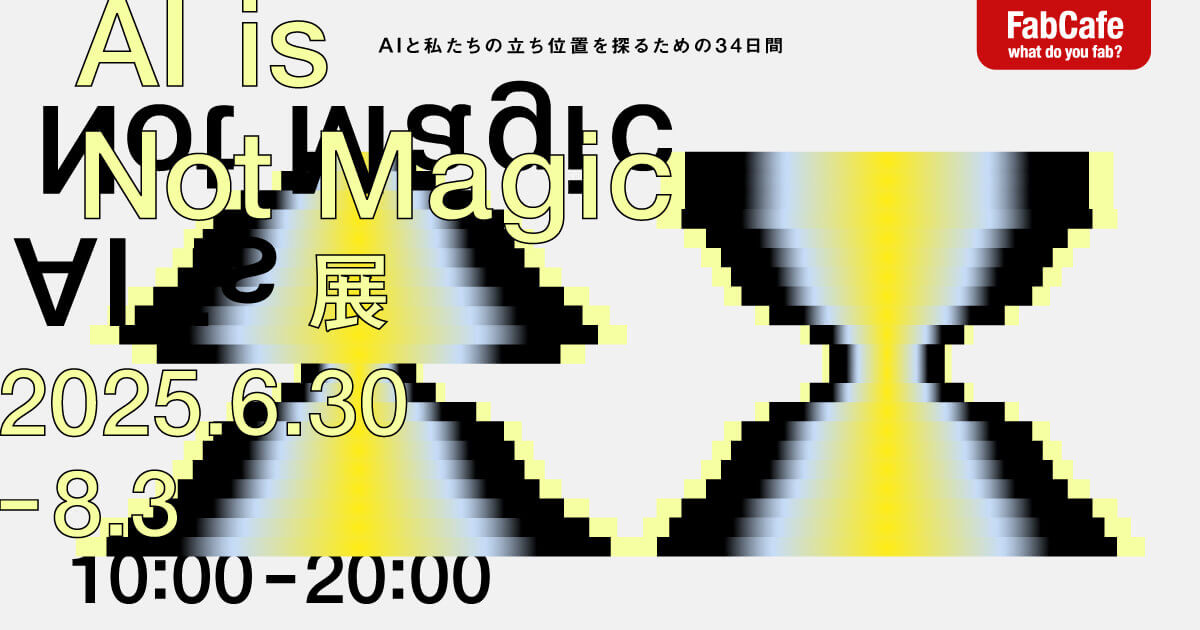
With the rapid innovation and widespread adoption of generative AI, artificial intelligence has become deeply integrated into our daily lives, work, and creative activities. Yet many people use it simply because it’s convenient, without ever engaging with the underlying structures or logic behind it. “AI is Not Magic” steps back to challenge this almost “magical” way of thinking. How can we build a proper understanding of AI and meaningfully incorporate it into creative practice? What is the right distance to keep? The exhibition sought answers through the kind of dialogue and experimentation unique to FabCafe.
Why an AI exhibition at FabCafe?
── We understand this was the first time FabCafe Tokyo featured AI as the main theme. What kind of exhibition was “AI is Not Magic”?
Daiki Kanaoka: This was an experimental exhibition designed to examine human creativity and the nature of our symbiotic relationship through collaboration with AI. We focused on works that depicted co-creation with AI from diverse perspectives and introduced them alongside their creative backgrounds.
── Why did you decide to hold this exhibition now?
Kanaoka: I have wanted to curate an AI exhibition for a long time. FabCafe has always kept a close watch on various social topics to create related exhibitions. We don’t do this to evaluate technology, but to explore how technology is beginning to intersect with society.
We grappled with the same question when FabCafe was founded. When FabCafe Tokyo opened in March 2012, digital fabrication wasn’t a new technology in itself. However, at that time, it was confined to factories, universities and research labs—places inaccessible to most people.
Around 2012, that technology was introduced as “FAB,” a movement with social relevance. It connected with the creative community, sparking a period of trial and error regarding the relationship between people and digital fabrication in society. I believe the position of FAB technology back then is similar to where AI is today. As AI becomes more generalized, I wanted to use this exhibition to pose the question: “How would you use it?”
We believe FabCafe’s primary question is how to connect emerging technologies with our daily actions and the principles that guide our lives.
── You mentioned the need to connect technology with the principles that guide our lives. What sparked this way of thinking?
Kanaoka: There is an interview video I like titled “Technology is Not Magic” by the researcher and hacker Andrew “bunnie” Huang. The exhibition’s title was actually inspired by this. We are friends, and I got his permission beforehand to use the title. His stance that we shouldn’t view technology as magic is strongly connected to the foundational philosophy of this exhibition.
In the video, he talks about how people are starting to think of technology as something magical—beyond their understanding and out of their control. He argues that Big Tech wants us to think that way, but it is dangerous.
He suggests that if we don’t stop and think about how we use and interact with technology, we will become slaves to it. I felt this was a crucial mindset for facing not just AI, but all forms of technology.
Andrew "bunnie" Huang, who builds his own open-source PCs, discusses the dangers of blind faith in technology.
How does technology connect to our personal lives?
── The perspective of connecting technology with life principles is fascinating. With that in mind, why did you choose this specific format for the exhibition?
Kanaoka: If someone suddenly asked, “How does technology connect to your life?” or “What does AI mean to you?” most people would be at a loss. That is why I chose to feature projects where creators seem to have established their own unique relationships with AI, as well as works that pose questions about those relationships.
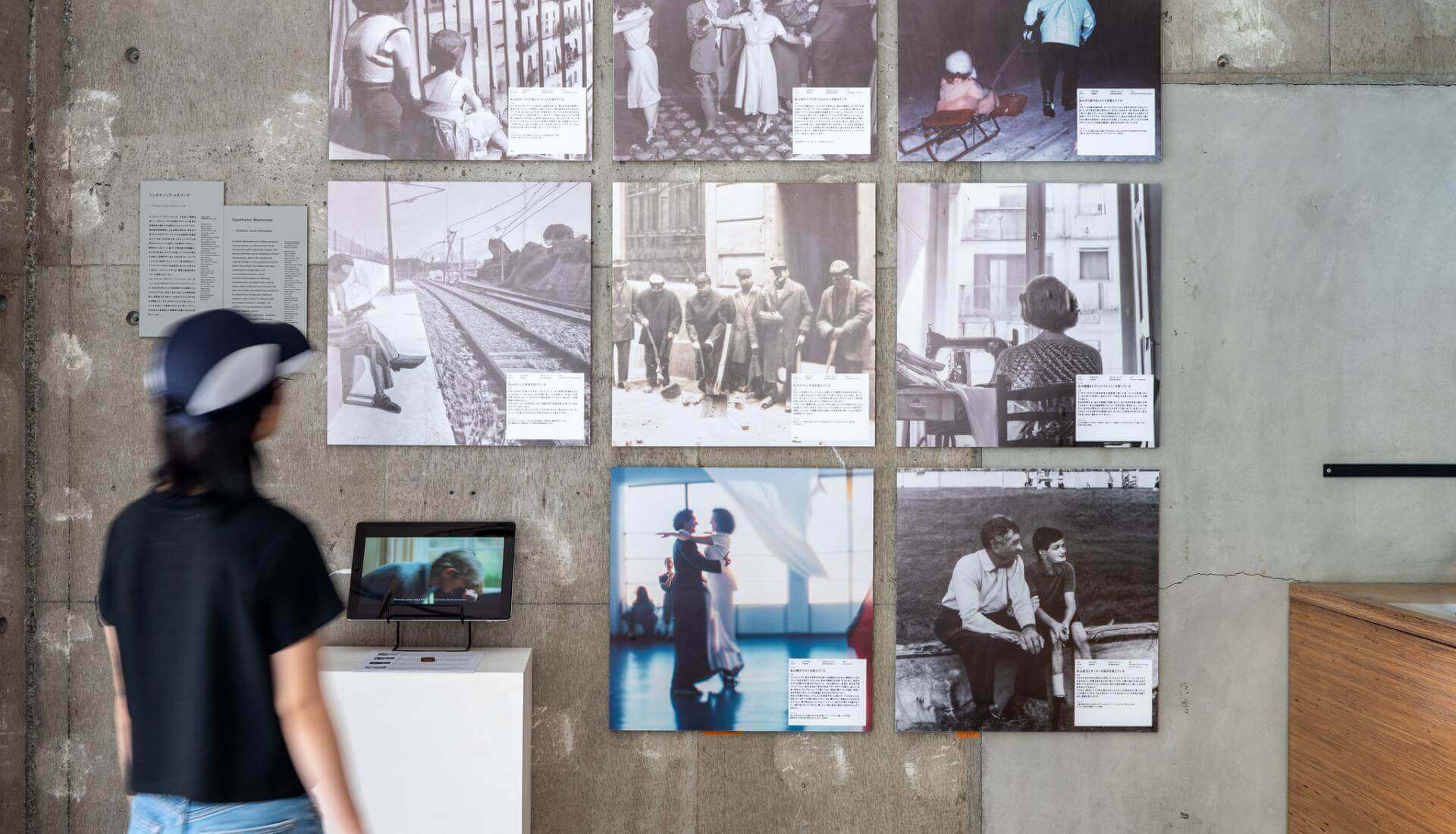
Project: Synthetic Memories
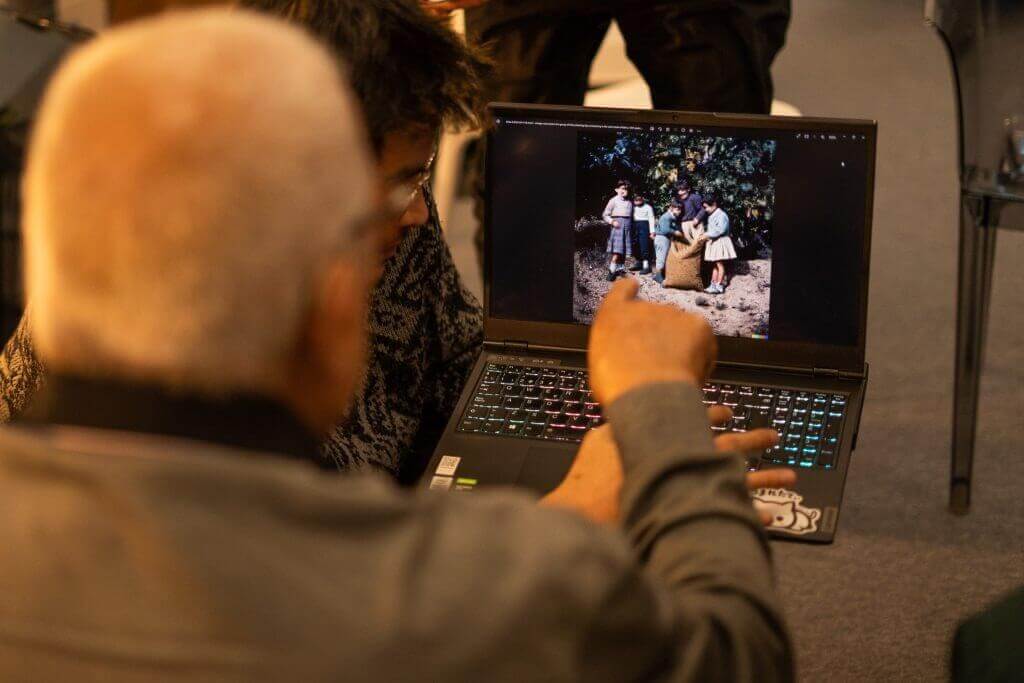
Synthetic Memories is a project dedicated to recreating and preserving personal memories that are at risk of being lost. By transforming spoken and written descriptions into visual images, it supports individuals, particularly those experiencing memory loss due to aging, migration or neurological conditions, in reconnecting with their past and sustaining a sense of identity, even in challenging circumstances.
Kanaoka: Right now, if we use AI and it gives us incorrect information, we tend to view it simply as “wrong.” However, this project is different. The content generated through a person’s spoken memories serves as a guide to convey personal experiences that only that individual knows.
For the older adults being interviewed, even if there is a difference between the AI-generated image and reality, I think the relationship goes beyond the debate of whether the image is “fake” or not.
For instance, even if an AI image is not strictly accurate, if it triggers a memory or stirs an emotion, the question of authenticity becomes irrelevant in that moment. That is the feeling I get from this project.

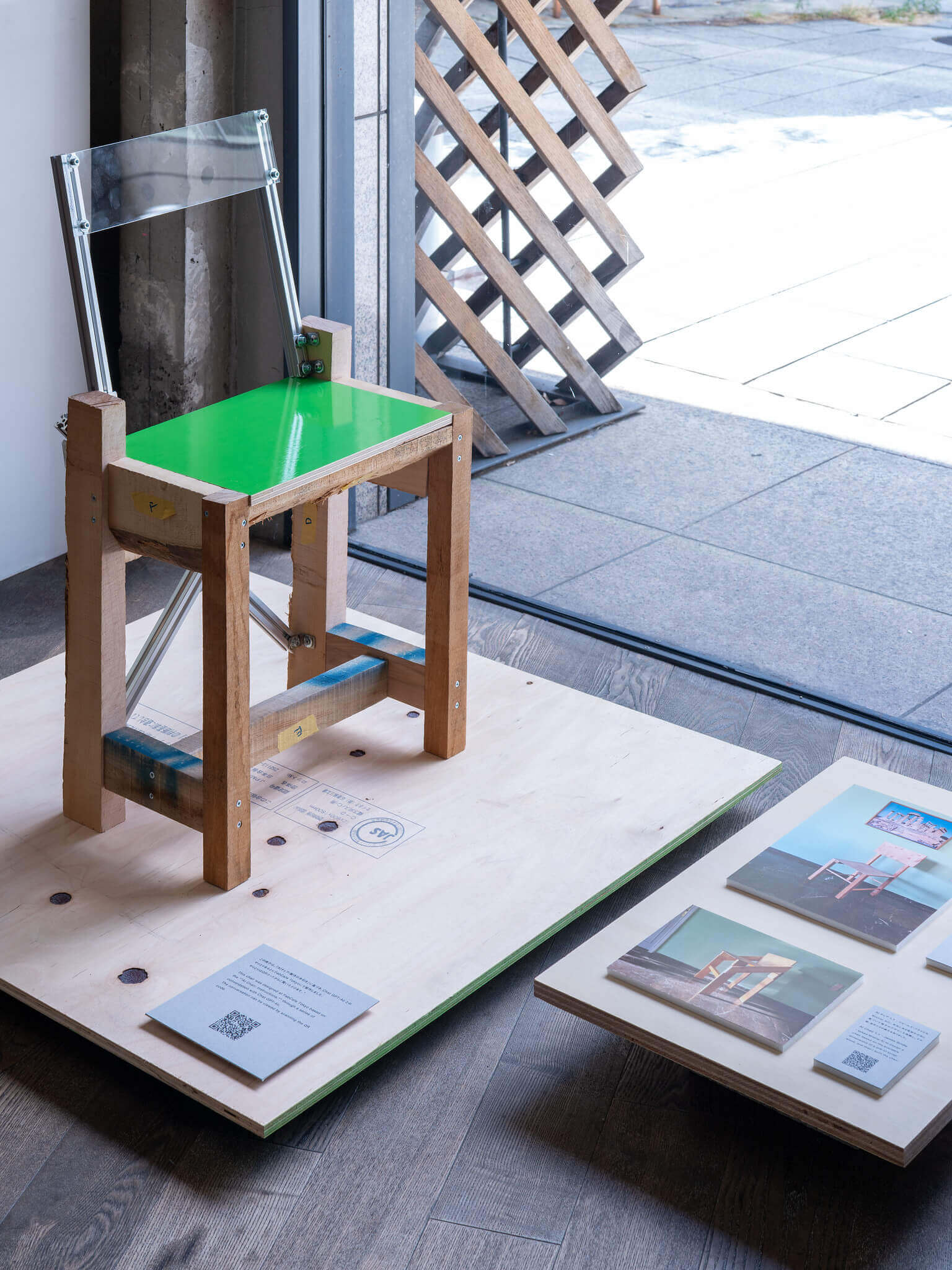
Project: AI Chair
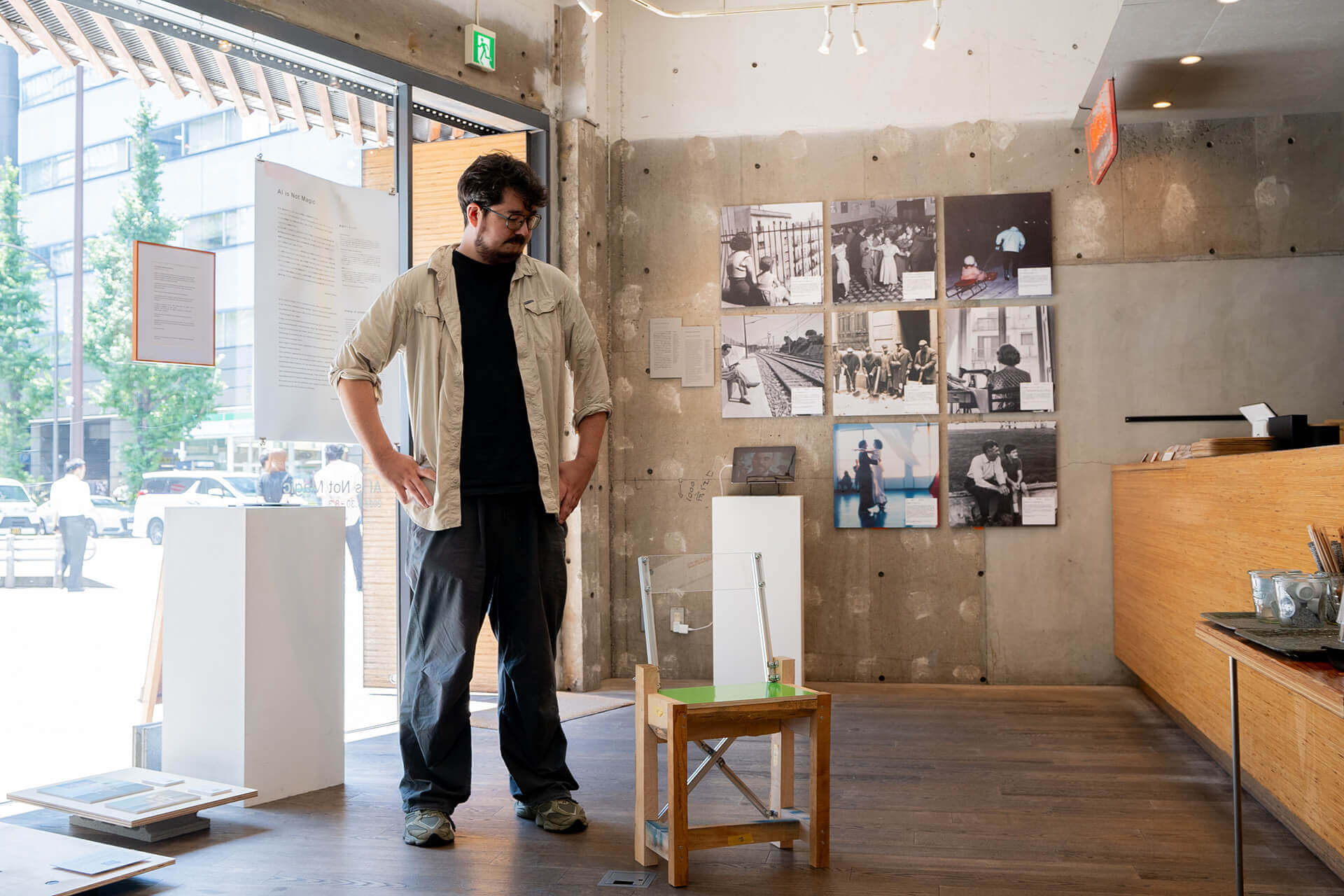
The core of this work is a “manual” compiled by artist James Bridle through his own trial and error process of creating a chair from a pile of scrap wood. The photo on the left shows the original work by James that sparked the creation of this manual. As a reference exhibit to introduce the manual, FabCafe Tokyo also displayed a chair recreated by Kanaoka based on its instructions (photo on the right).
Kanaoka: When it comes to AI producing incorrect answers, the artist James Bridle once said in an interview, “That probably means this is how AI sees the world right now.” Expecting AI to always give us the correct answer may itself be a very human-centered way of thinking.
What I find fascinating is the attitude of using AI itself as a way to learn how an AI that’s still learning about the world actually sees it. Bridle understands that AI is constantly changing and evolving, and he continues to explore how much distance to keep between the technology and his own creativity, as well as how the two can be combined. It feels as though he presents that entire process as a relationship, showing how he is engaging with AI at this particular moment.
In that sense, I think these two works offer very strong examples of what it means to build a relationship with technology.
Understanding AI and the importance of creating projects
── There were also works in the exhibition that visitors could operate themselves.
Kanaoka: Yes, that would be “Enga” by game developer Tomo Kihara. His work questions the preconceived notion people hold toward large language models (LLMs)—that they “should be unbiased and neutral.”
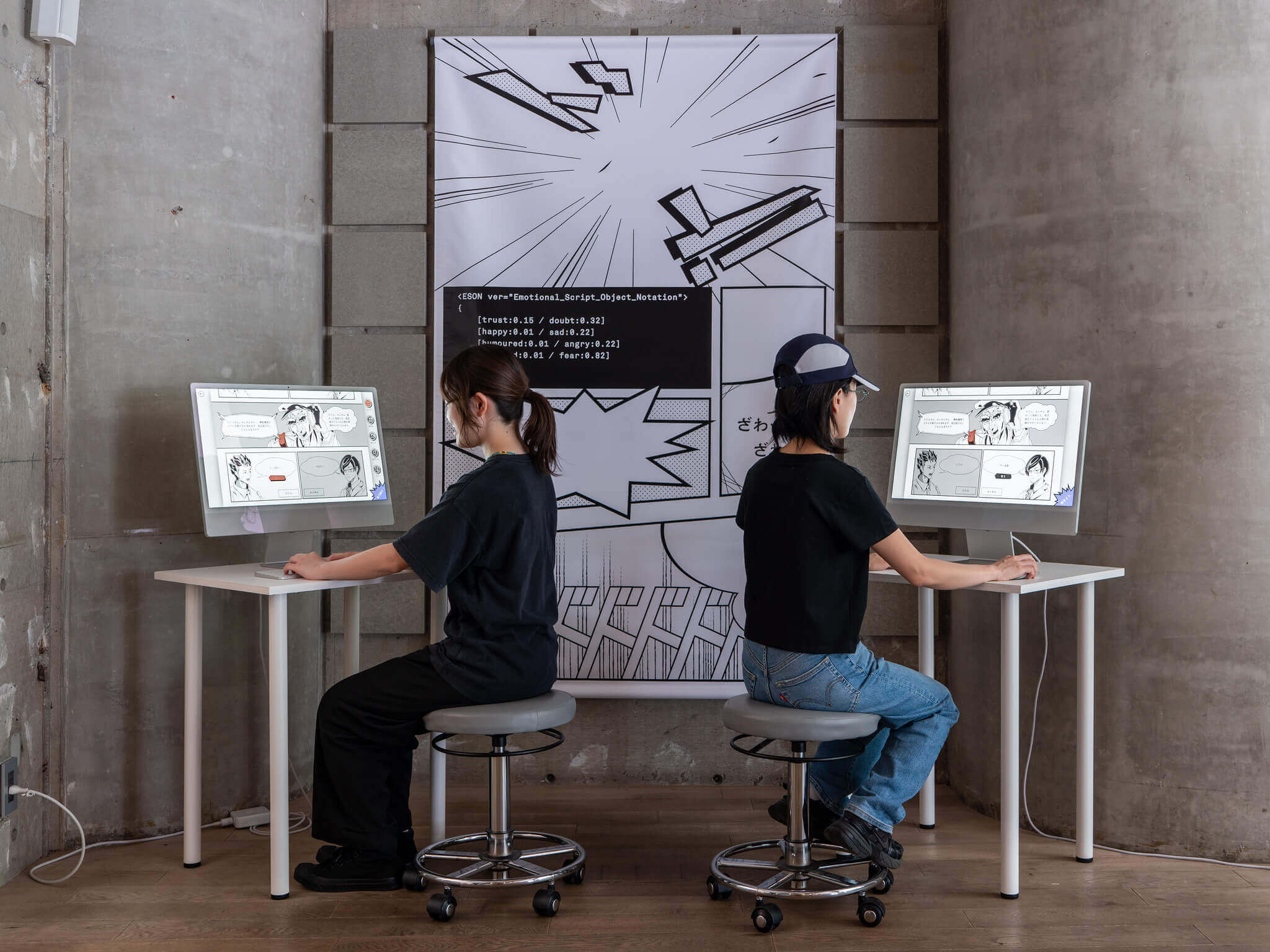
Project: ENGA
The ENGA project is a label for exploring “Enga”, a participatory manga where players can role-play characters within the story. In “Enga,” players’ dialogue appears as speech bubbles, while a text-generating AI responds in real time, all seamlessly integrated with hand-drawn artwork by manga artists. The result is a dynamic, ever-changing story with each playthrough. Initiated by game designer Tomo Kihara, the project partners with a range of manga artists to push the boundaries of generative, interactive storytelling.
── That makes sense. I had always assumed that AI wouldn’t be biased. I figured that because it processes such a vast amount of information, it would naturally provide a balanced answer.
Kanaoka: Kihara raised a specific point about the LLMs available at the time of the exhibition in July 2025. He suggested that because much of the LLMs’ training data originates from the West, the models might be prone to rating those cultural values relatively higher.
What I think is important about his work is first understanding that AI exists with these kinds of premises. However, AI updates are incredibly fast. The situation can change in a matter of weeks or months. That is why, ultimately, the judgment of “How will I interact with AI?” becomes the most important factor.
── I see. So, we don’t need to fully understand the minute technical details or structures to use AI, but we need to have a basic understanding of it.
Kanaoka: I think so. In the movie Ghost in the Shell 2: Innocence, the character Chief Aramaki says, “You don’t need to be Caesar to understand Caesar.” Similarly, I don’t think you need to be an AI engineer to understand AI.
The key here is to try and learn AI using your own body. What matters is the recognition tied to actual experience—the feeling of, “I interacted with it this way, so this is how I perceive it.”
── That explains why James Bridle made the chair together with AI—to interact with it.
Kanaoka: He didn’t necessarily just want to build a chair. My understanding is that he wanted to use that process to practice and see how co-creation with AI connects to his own creativity. And I believe that every individual and company will have their own unique way of exploring how to interact with AI.
── Thinking about it this way, even without going as far as creating an artwork, it seems possible to deepen our understanding simply by developing our own way of engaging with AI in everyday life.
Kanoka: This may be open to debate, but from the perspective of companies developing AI, this is probably not something they actively want people to think about. Ideally, it may be enough for them if people simply find it convenient and use it without much reflection. However, we believe that taking the time to understand AI in one’s own way and deciding how to use it is an essential attitude.
That also means thinking about how you choose to engage with technology on your own terms. This way of thinking lies at the very foundation of FabCafe.
The same applies to digital fabrication. By layering technology with one’s own background, and by understanding and evaluating it while asking questions such as why to use a particular machine and how to use it, new forms of making have emerged. We want to continue offering a candid, open space where this kind of discussion and trial and error can take place. That, I believe, is what FabCafe has always aimed to do.
── On the other hand, it also means that we can end up using technology without really thinking about it.
Kanaoka: AI will dramatically increase the number of things we are able to create, and it will become harder and harder to take the time to carefully examine each one. Going along with that flow may feel easier, but it is precisely why we need to pause and think.
If we do not continue to maintain our own perspective for evaluating technology, I do not believe we can sustain a meaningful relationship with it. Those who consistently hold onto that perspective may be able to incorporate technology as part of their own abilities. Beyond that, there may even be possibilities for discovering entirely new kinds of roles or practices that do not yet have names.
An open place to discuss our relationship with technology
── It seems FabCafe has continued to think about how different technologies, not limited to AI, can be connected to our own backgrounds.
Kanaoka: Yes, that’s right. The first step is to evaluate technology while actually using it. From there, the process can move toward sharing those insights with others, creating your own work, or even launching a project.
As things develop further, it becomes possible to find partners to collaborate with and grow those ideas into projects with proper resources and budgets. FabCafe is a place where all of these steps can be explored. And because we have the ability to design projects, we want to go one step further and challenge ourselves to ask who should be involved, how an idea can be shaped into a project, and what kind of impact it might have on society.
── That’s important. In a way, FabCafe’s exhibitions also carry the hope that someone’s project might begin from here.
Kanaoka: Because FabCafe is not a white cube gallery, we believe our exhibitions allow us to connect with a wide and diverse range of people. During exhibition tours where we explain the themes behind each exhibition, we often get participants from many different companies, and those moments frequently lead to lively discussions around the topics being presented.
── For example, what kind of discussions took place during the “AI is Not Magic” exhibition?
Kanaoka: One comment I heard repeatedly was, “I had always seen AI only as a tool for improving efficiency, so I was surprised to discover there are other ways to engage with it and other possibilities.” Some people also said that they had reached a point where they could no longer tell whether they were using AI or being used by it.
── Exactly. Through discussion, people can broaden their understanding of the theme. It creates an opportunity to think about how they are facing technology and how it connects to their daily lives.
Project: Techno Graphical Data Archive (TGDA)
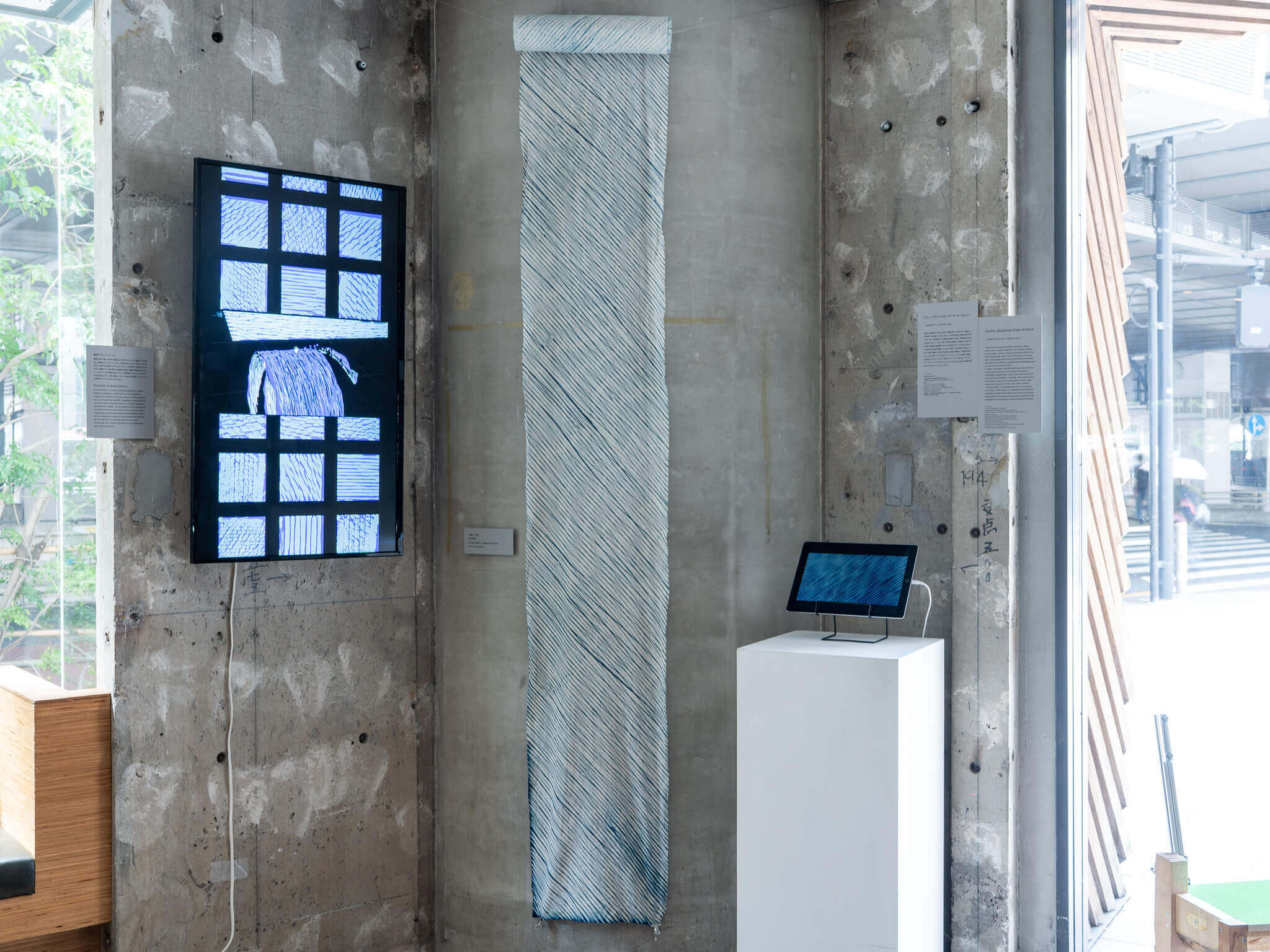
This project visualizes the very stance Kanaoka describes:, using technology while evaluating it. While it extracts the physicality and techniques of artisans through 3D scanning, it goes beyond simple digitization. It continually asks: “How do we connect these skills to the future?” and “What is lost, and what is expanded through digitization?” It is a practice of re-exploring the connection between technology and human culture, rather than simply using technology as a one-way tool for convenience.
Creating a level playing field for diverse backgrounds
── Hearing the reasoning behind the “AI is Not Magic” exhibition gives us a clear picture of FabCafe’s approach to technology. Do you feel your position or role has changed over the 13 years since you opened?
Kanoka: I don’t think there have been any major changes. Of course, the topics we cover shift with the times, but our foundation and what we do remain the same. If there is one thing I have been consciously maintaining over the years, it is that this is a place where anyone can come.
── A place where anyone can come?
Kanaoka: When people come to the cafe, whether they are university professors and students or corporate engineers and interns, they all become cafe customers on equal footing. If they join an event, they relate to each other simply as fellow attendees.
I think we have spent these 13 years proving the significance of connecting on a level playing field and the value of connecting people from different backgrounds. Perhaps one change over these years is the realization that the value of such an open place is in demand beyond just Tokyo.
── We hear that regional branches like FabCafe Hida are also generating many community-rooted projects.
Kanoka: Although the equipment and business models differ, the common thread is having an open space. Even if the challenges faced by each region vary, the value of a place where open discussion can happen remains constant.
── With FabCafe being a place anyone can walk into, what kinds of conversations and projects do you imagine taking shape here? It feels like a space where we can rethink our relationship not only with AI but with technology as a whole.
Kanoka: I think the first important question is: How do you and your team or organization define your relationship with technology? To establish that stance, it is essential for creators to join as partners.
Once that relationship becomes clear, you can move on to the next steps such as developing a prototype that expresses it, creating opportunities to share it with others, or building a business plan. FabCafe is able to form the right team for each of these stages and support the entire process.
In the case of AI, where change happens at extraordinary speed, collaborating with external partners becomes especially important. This is something FabCafe practices every day. We can offer the strength that comes from continually forming new teams that engage with technology as it evolves.
FabCafe creates projects that embody "Openness"
The questions raised in “AI is Not Magic” are being applied to various other projects. This is an attempt not to consume technology as magic, but to share it with others while opening up its relationship with society and our lives.
For instance, with the Techno Graphical Data Archive, FabCafe Tokyo is working with DENSO Corporation to use 3D scanning to digitize disappearing artisanal skills based in the Tokaido region. The project aims to preserve and pass them on as a globally accessible archive. While using advanced technology, the central question is: “For whom and how do we make this data open?”
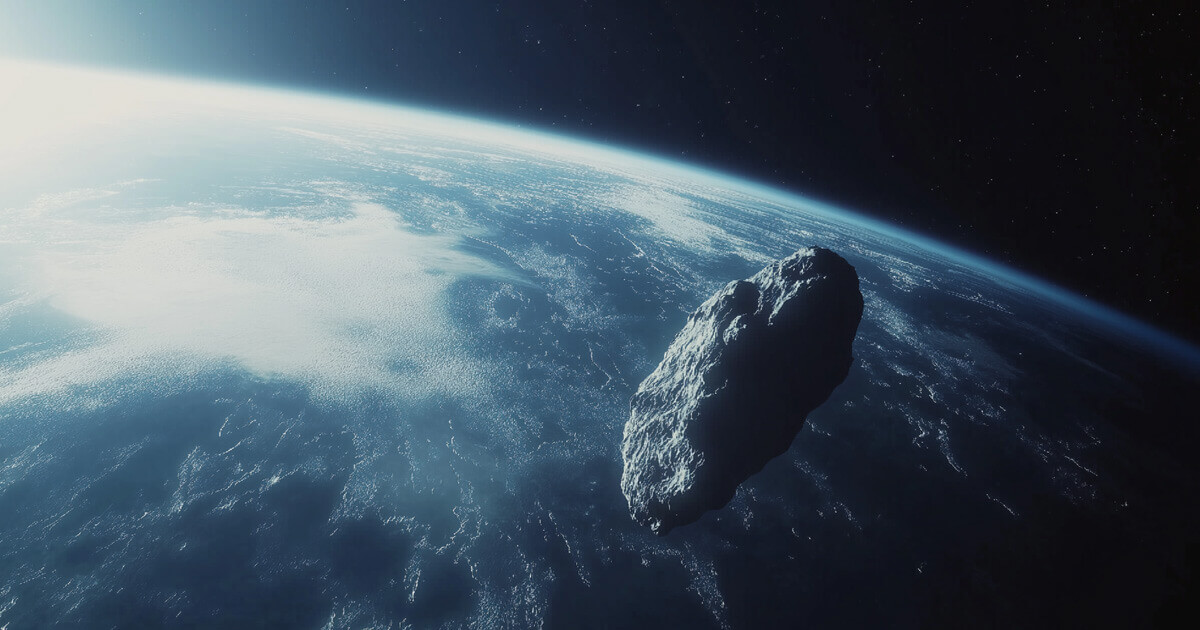
Also, in Project Apophis, FabCafe as well as its parent company Loftwork are working with the Chiba Institute of Technology to explore co-creation between space and non-space sectors, sparked by the exploration plan for the asteroid Apophis approaching Earth on April 13, 2029. Through Project Apophis, FabCafe, Loftwork, and CIT investigate how we can open up this unknown celestial body to society, as well as business and creative fields?
What these projects share is a refusal to keep technology confined within closed, specialized fields. While utilizing AI and digital technology, we openly discuss —and sometimes critique—their use to generate new collaborations, professions, and experiences. In that sense, AI is Not Magic was perhaps not just a standalone exhibition, but an entry point for these practices.
From December 6, 2025, to January 15, 2026, the exhibition “The Power of Openness” is being held at FabCafe Tokyo. It gathers works and projects, including the Techno Graphical Data Archive and Project Apophis, that embody openness from various angles.
The goal isn’t to present a finalized answer, but to keep questioning the relationship between technology and humans. It is about continuing to experiment in an open space on how to share technology—which belongs to no single person—and how to make it our own.
If you want to explore your own distance from AI and technology, or if you want to consider your team’s stance, try dropping by the exhibition at FabCafe Tokyo with a coffee in hand. You might just find the spark for a new conversation or project.
About “The Power of Openness”
Duration: Saturday, December 6, 2025 – Thursday, January 15, 2026
Open Hours: 10:00 AM – 8:00 PM
Admission: Free
Co-hosted by: FabCafe Tokyo and Loftwork Inc.
Openness—the state of being open. Rather than aiming for a final conclusion, it means working hands-on with others to go beyond the expected. This is the stance FabCafe has cherished as we continue to create with local creators and artists across our 13 locations worldwide.
In this exhibition, “The Power of Openness,” we present works and projects that embody this spirit in diverse ways.
Written by: Hayato Inui
Recommended
-
2026.02.17
The ripple effect of MVMNT Behind the scenes of the [UN]REAL ESTATE exhibition at MAB25, Bangkok
-
2026.02.06
What happens when vacant spaces are unlocked? The people and stories weaving the connections behind FUJI TEXTILE WEEK
-

2025.05.13
Flavors Without Borders: Rethinking Japanese Seaweed with Malaysian Burgers & Kuala Lumpur food influencers
-

2024.03.13
A style of gardening that renews our sense of beauty and order
-

2024.03.13
Two forests residing in a single tabletop, the “Forest Bank”
-

2024.02.28
The Fuji Textile Collaborative Project kicks off in Fujiyoshida City (II)Samira Boon Studio’s textile research report
Next Contents