


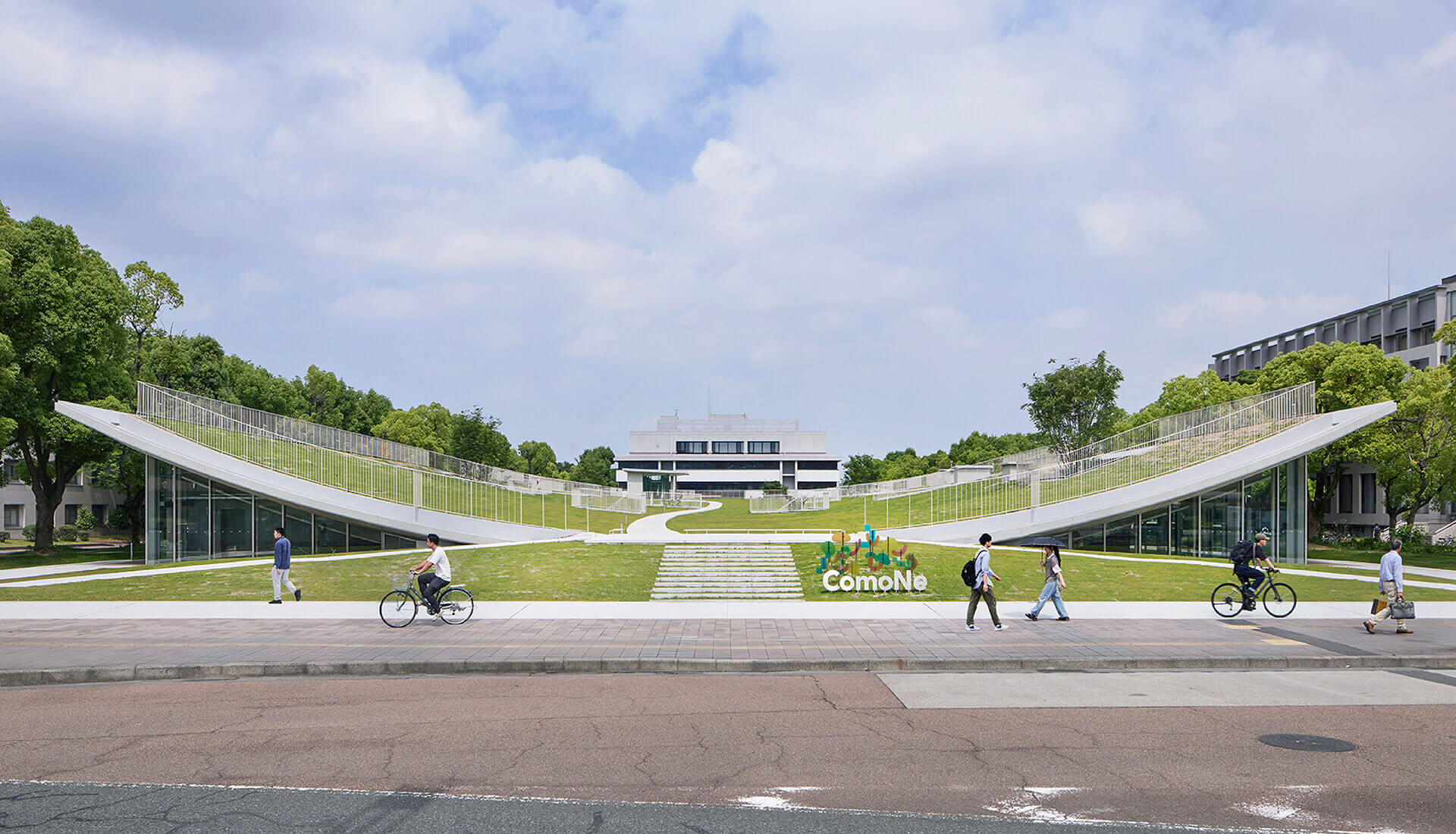
Loftwork contributes to the new ComoNe innovation space in the Tokai Region
Outline
Universities possess a wide range of knowledge resources: human resources, such as researchers with specialised expertise and students who will lead the next generation; physical resources, such as teaching materials, equipment and spaces; and informational resources, including cutting-edge research outcomes. As global environmental and social issues become more pressing, what venues and mechanisms are needed to open up these resources to communities and society at large, enabling universities to drive broader social transformations?
The Tokai National Higher Education and Research System (THERS) is Japan’s first national university corporation operating under a multi-university framework. THERS was established in April 2020 through the integration of Gifu University and Nagoya University. Guided by the philosophy of creating new standards for the public good, the system launched Common Nexus (ComoNe) on the Nagoya University campus in July 2025.
Since 2023, Loftwork has provided comprehensive support for the facility, including concept design, launch preparation, planning, and operations. With a comprehensive approach, Loftwork has created an advanced space that generates new interactions and value by fostering connections that transcend generations and fields.
Challenge
Making Co-creation a Public Good
The name of the facility, “Common Nexus,” encapsulates the ideas of shared knowledge (Common) and connections (Nexus). Common Nexus is committed to creating an innovative facility model that seamlessly integrates the functions of a public space — open and accessible to all — with a focus on exploration and co-creation. This approach presents a novel challenge in Japan, as it seeks to establish a pioneering model that has never been seen before.
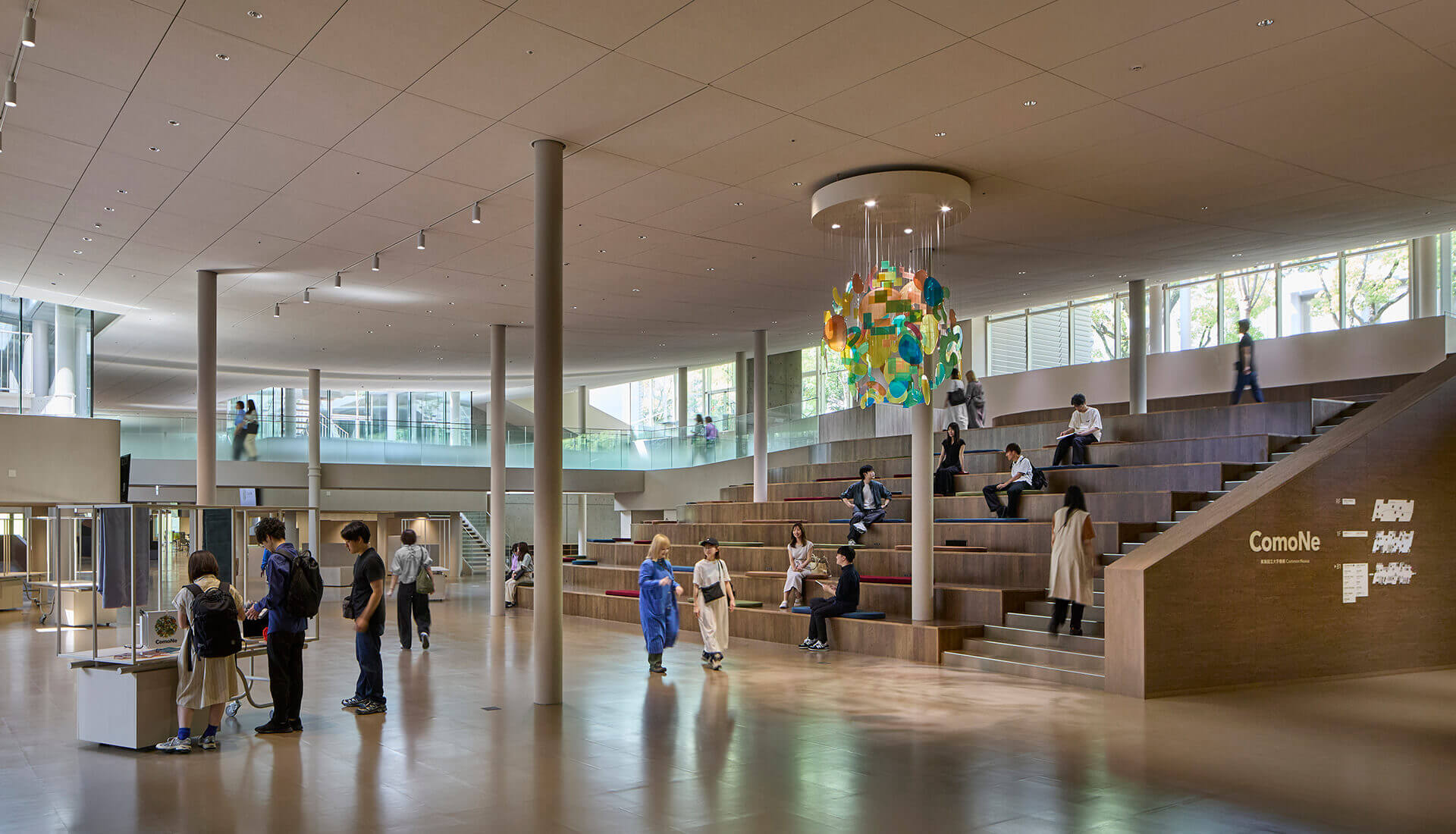
Spanning 7,000 square metres, the facility hosts a variety of activities aimed at providing interdisciplinary learning, supporting the next generation, creating local vibrancy, proposing new ways of working, and promoting international exchange. Through these efforts, the facility aims to generate social value that will contribute to the creation of a “new normal” for the future.
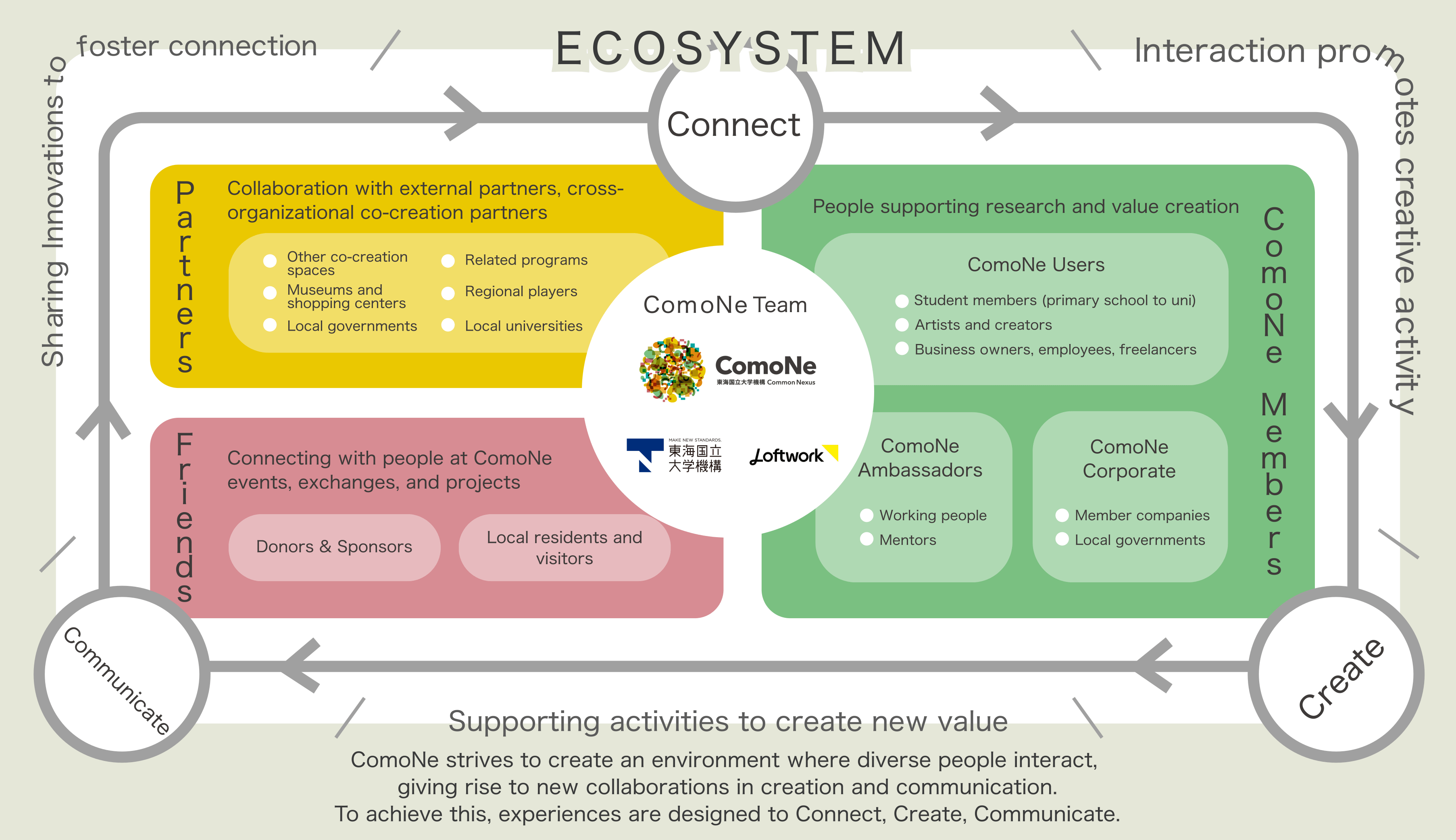
At ComoNe, organizations and individuals conducting activities within the facility will generate outcomes through collaboration and co-creation. They will be supported in this by the organizing team and ambassadors. These results will be shared with and made visible to local residents and visitors, thereby extending their reach to wider society. Additionally, other collaborators such as donors, sponsors, partner facilities, and local governments will be involved, providing further opportunities and funding. By creating this cycle of collaboration, ComoNe aims to generate even greater social value.
In this way, ComoNe is envisaged as a space that drives a system of value circulation, where diverse stakeholders are intricately interconnected. This vision is brought to life through a comprehensive design of space, programs and development plans.
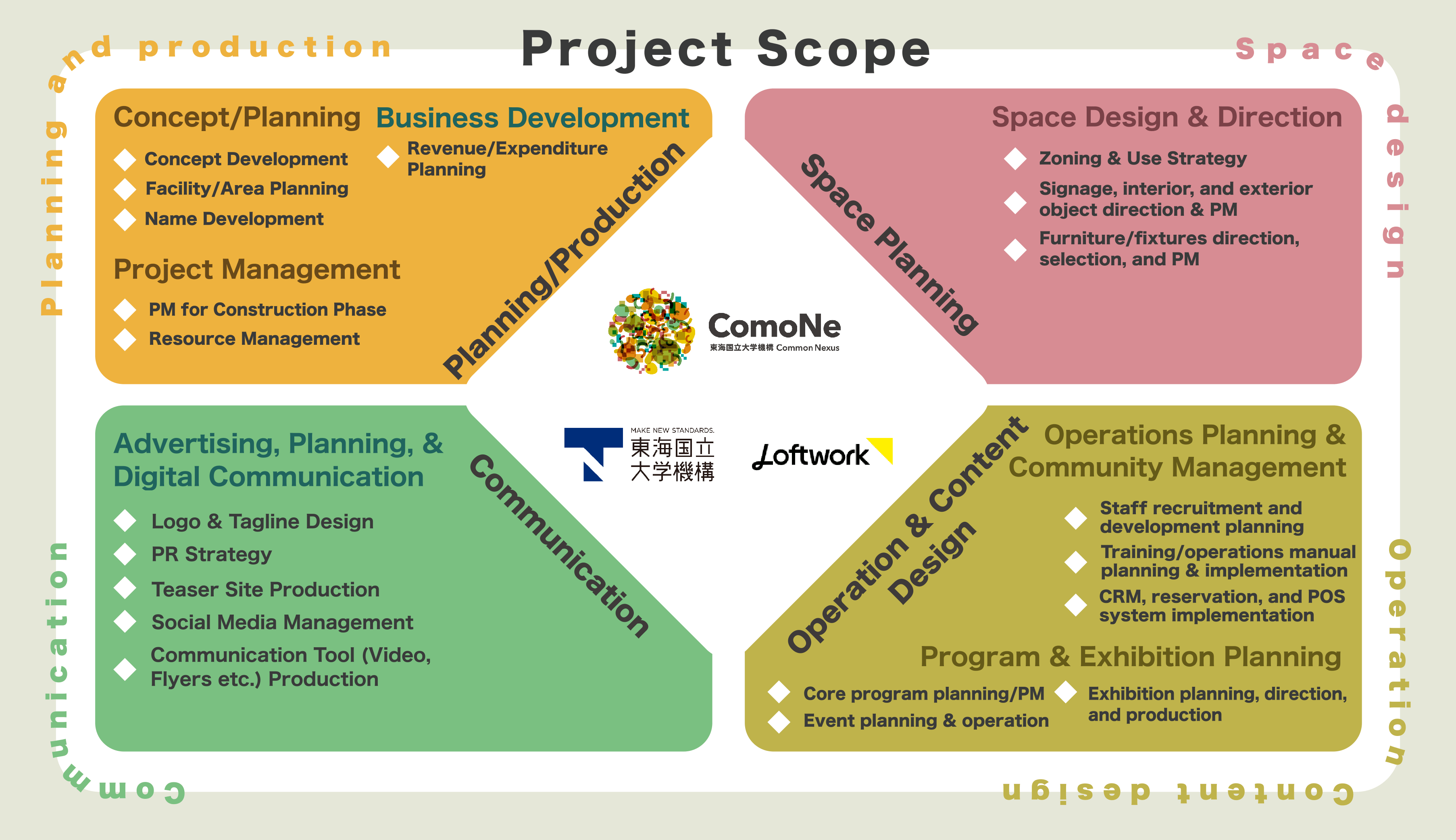
Project Scope
Loftwork has provided comprehensive support for the ComoNe project, extending beyond architecture. This includes everything from planning and production to spatial design, content creation, communication strategies, and facility operations.
Output & Approach
As a university-managed initiative, ComoNe aims to generate diverse types of social value using a multifaceted approach.
Foundations: Overall Planning and Concept Design
In order to balance the space’s use as a public facility and as an innovation center, it is crucial to first establish a robust planning and conceptual framework, along with a sustainable business plan for operations. Loftwork has made a significant contribution to the development of the facility by providing support from the early stages of planning.
Concept Development
The first phase of the project involved creating a conceptual design document that outlined the vision, concept, target audience and desired user experience of the facility, as well as the direction for exhibitions and programs. By providing support throughout the planning process, Loftwork established a consistent framework to guide the long-term development and future operations of the facility.
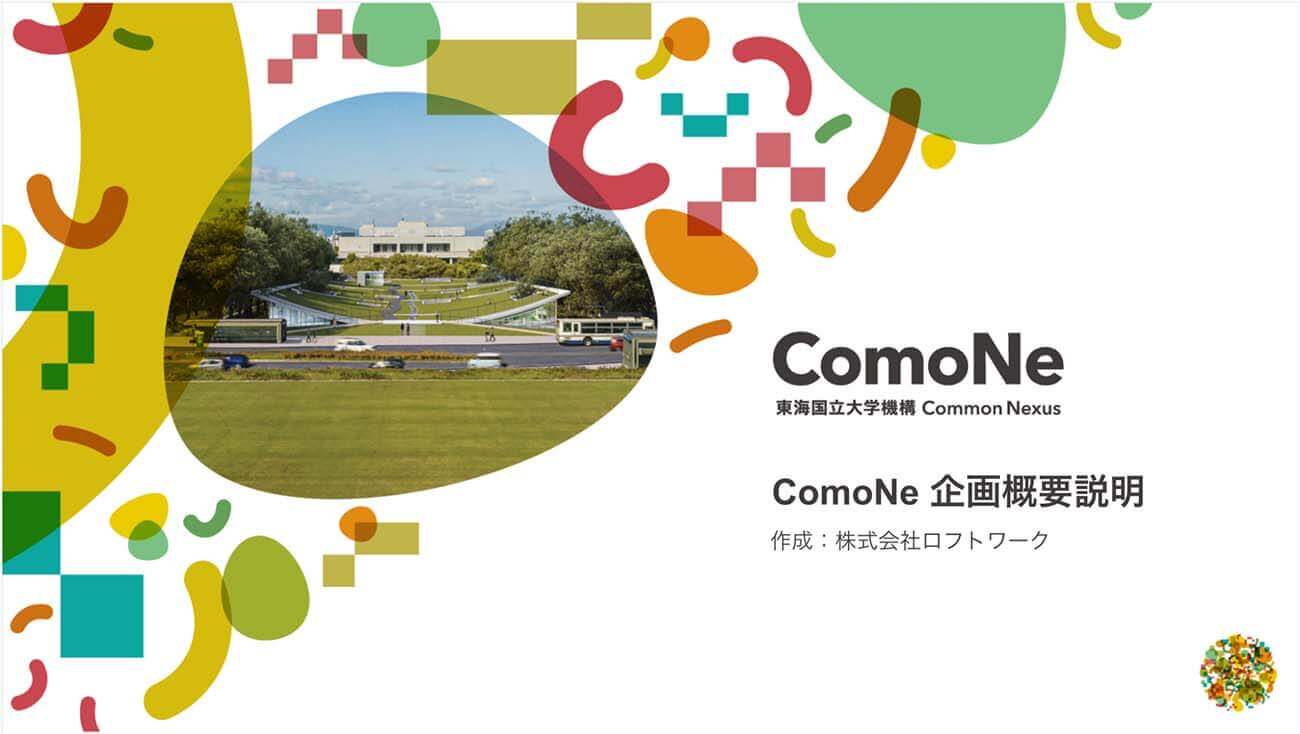
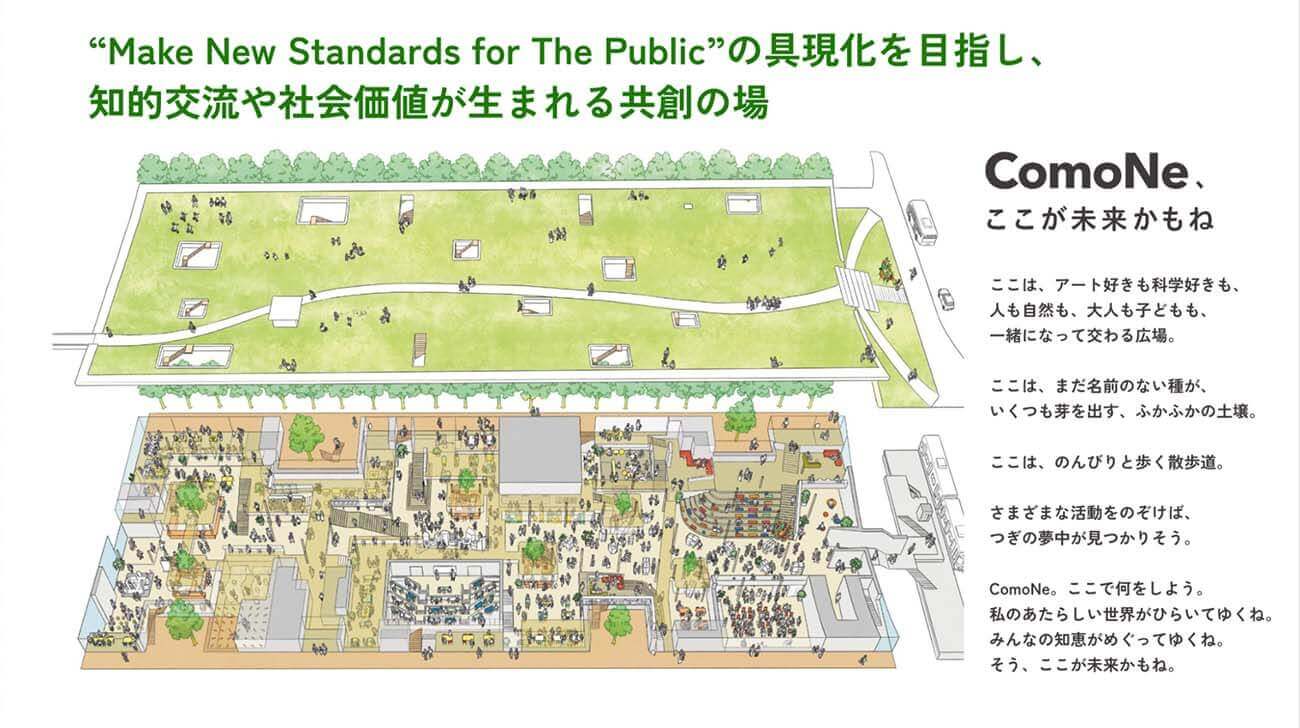
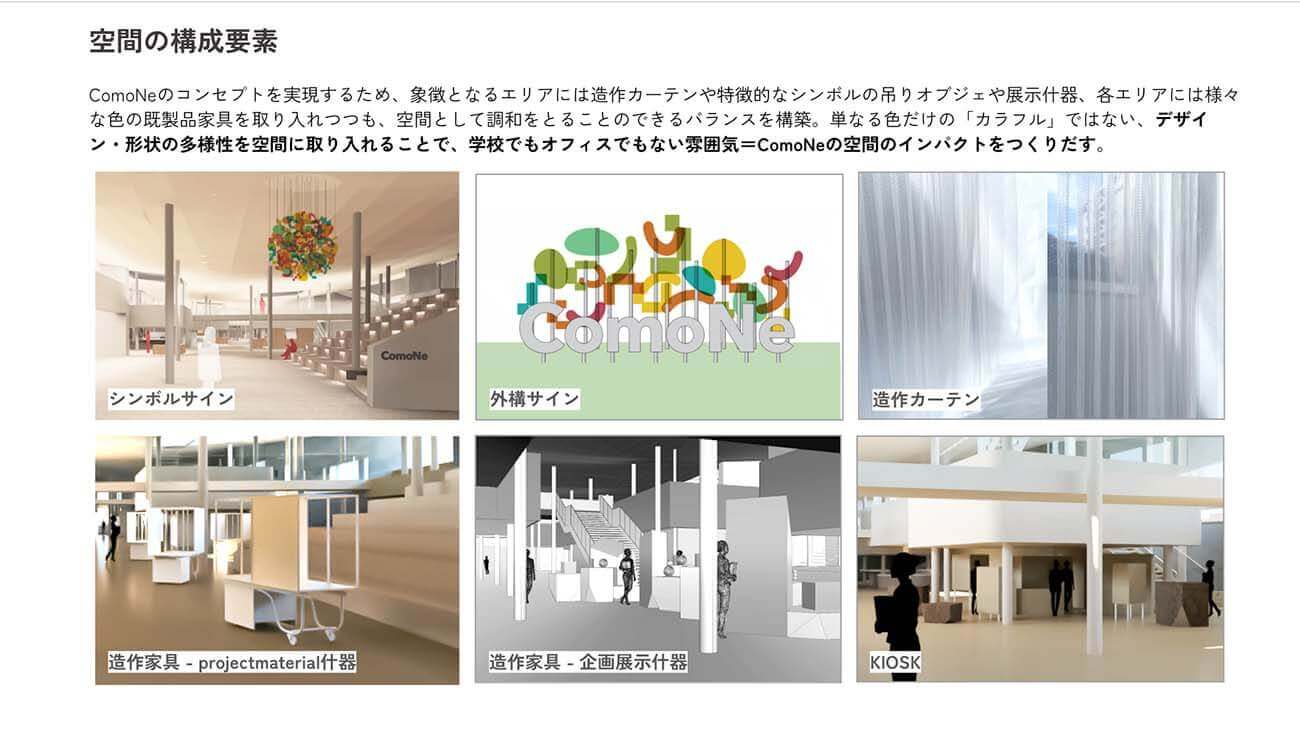
In addition to the conceptual design document, Loftwork created guidelines and frameworks for the project as a whole, its spatial design, and program direction, highlighting key concepts and implementation points. Ongoing discussions and refinements were conducted throughout the process to ensure staff were well-prepared for the facility’s opening.
Ensuring Sustainable Operations
Building a Sustainable Operating Model
Opening and operating a new facility incurs significant costs. To ensure sustainable operations, ComoNe plans to introduce a paid membership system, paid services, and sponsorship programs to establish a sustainable business model.
Loftwork is deeply committed to supporting the sustainable operation of the facility, going beyond planning and design to contribute actively to the formulation of the business plan. Specifically, Loftwork helped develop income and expenditure plans for operations, including designing membership fee and facility usage fee structures, and planning initial launch costs.
In addition, when formulating KPIs to achieve the goals, Loftwork considered not only metrics such as visitor numbers and membership counts, but also designed indicators to measure the types of interactions and values generated within the facility and its societal impact.
Designing Inspiring, Engaging Spaces
Loftwork brought to life the metaphor of soil — envisioned in ComoNe’s architectural concept — through the space design and direction of various interior elements, creating an environment that fosters diverse interactions and activities.
Active Connections for Multiuse Areas
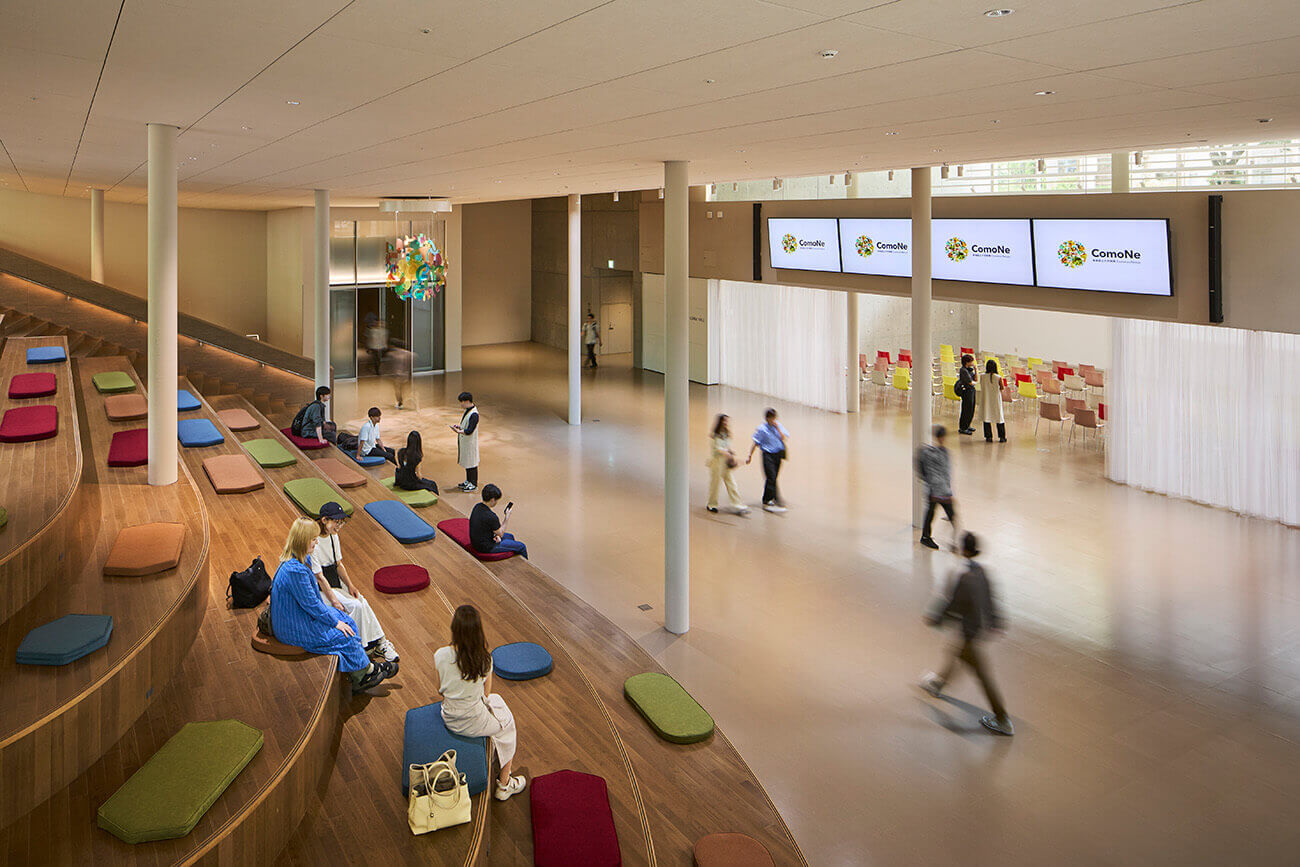
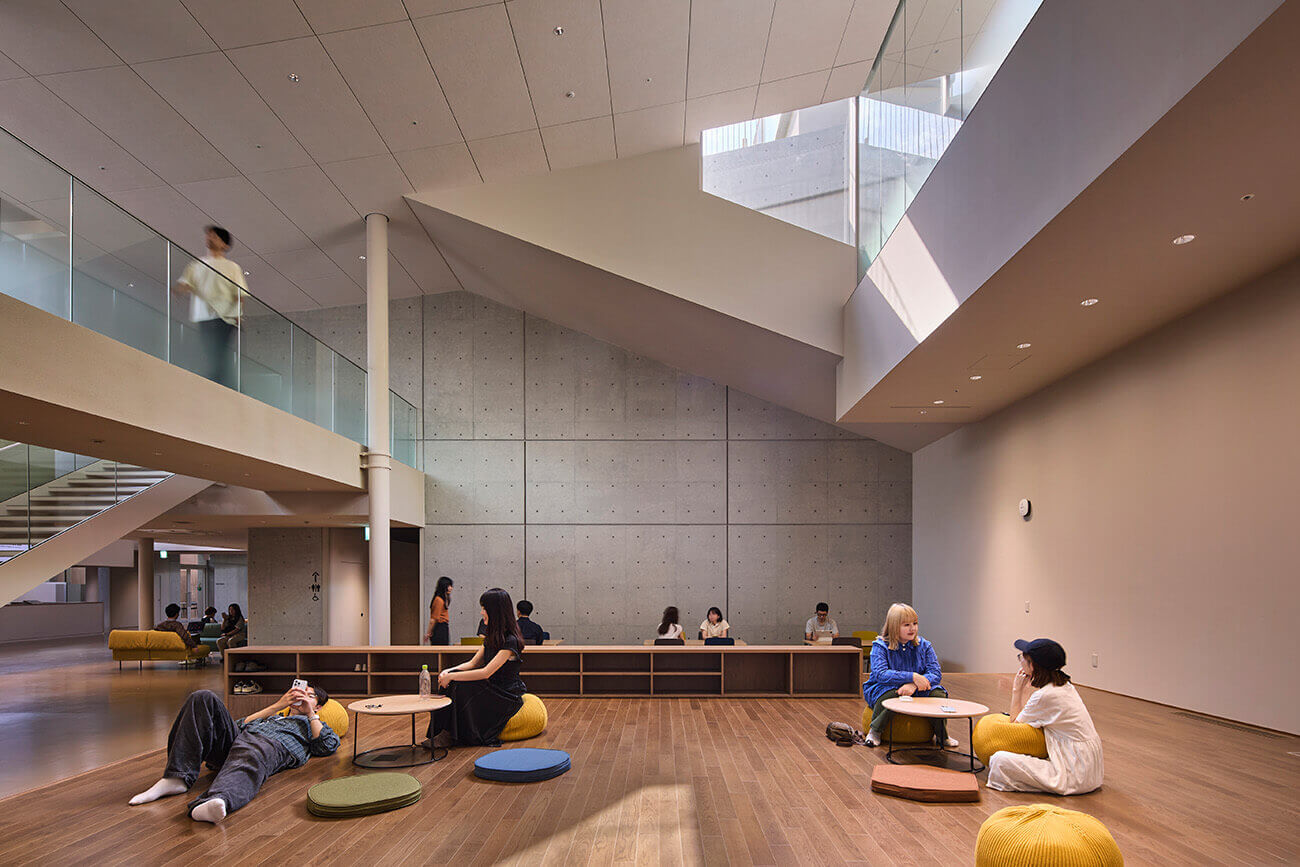
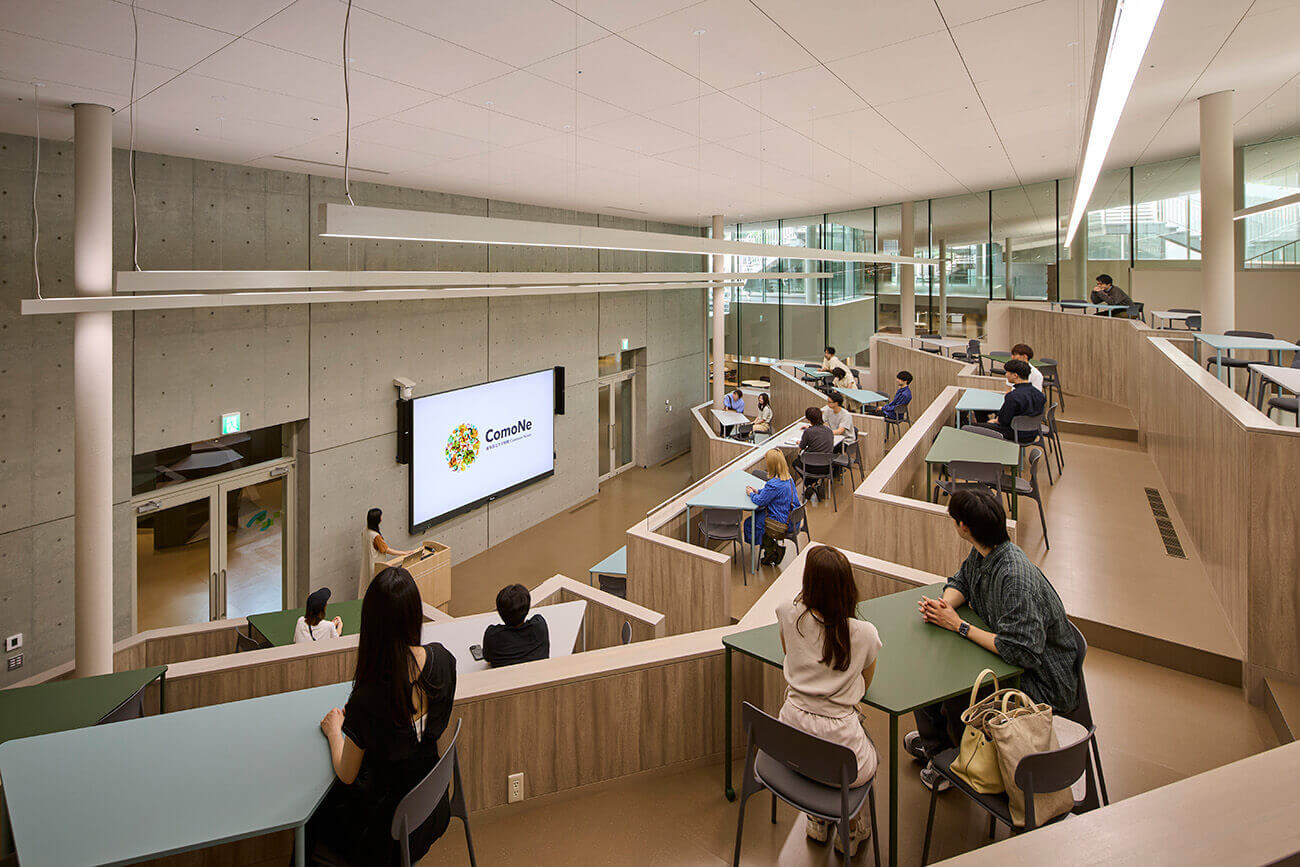
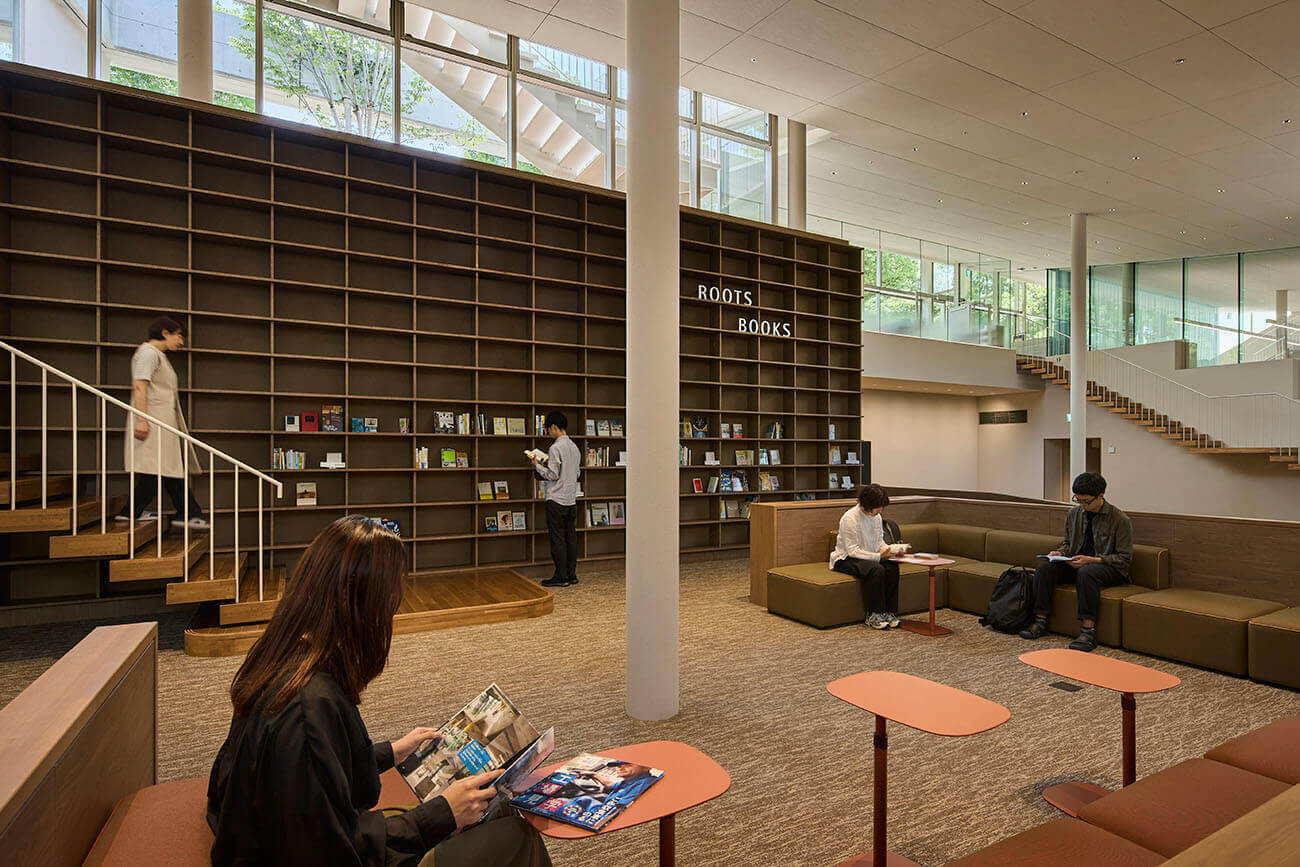
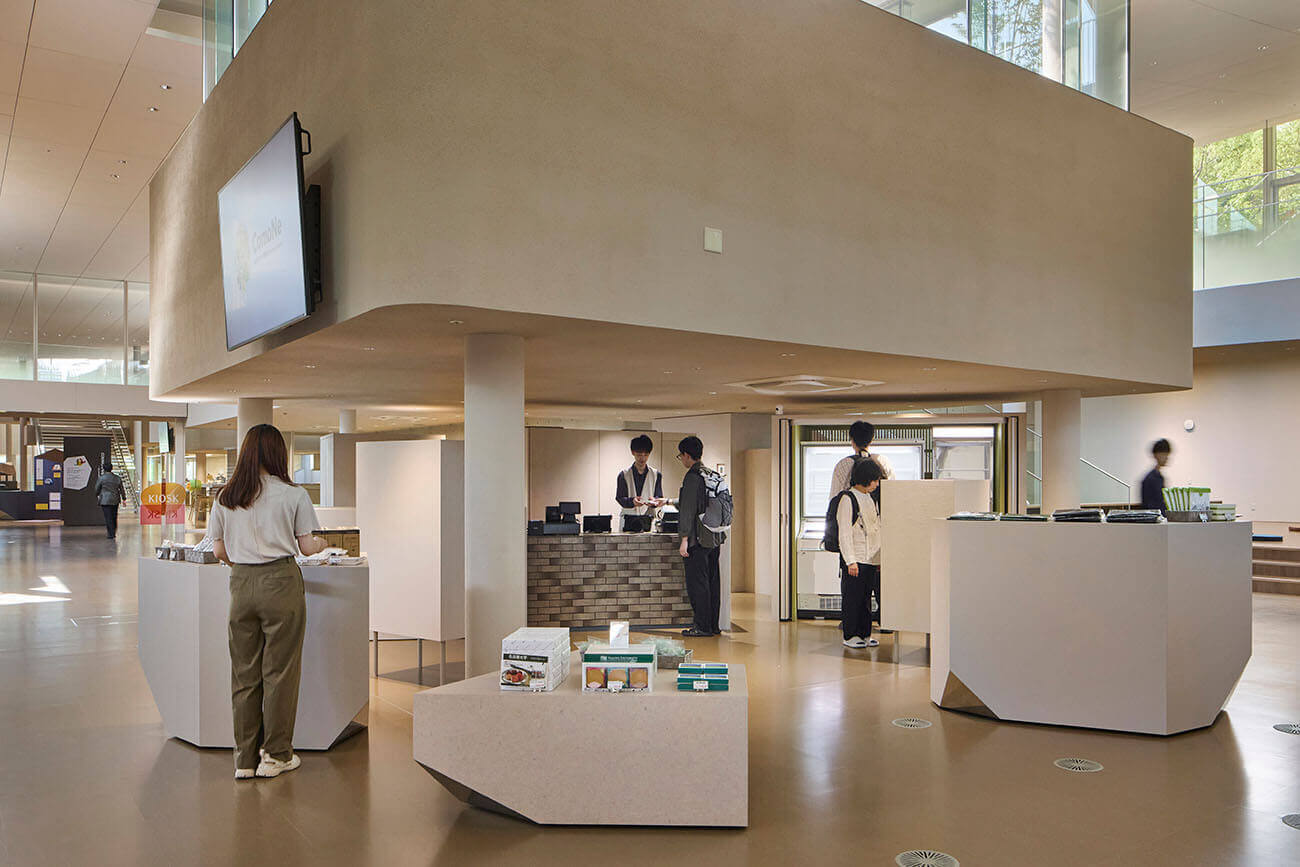
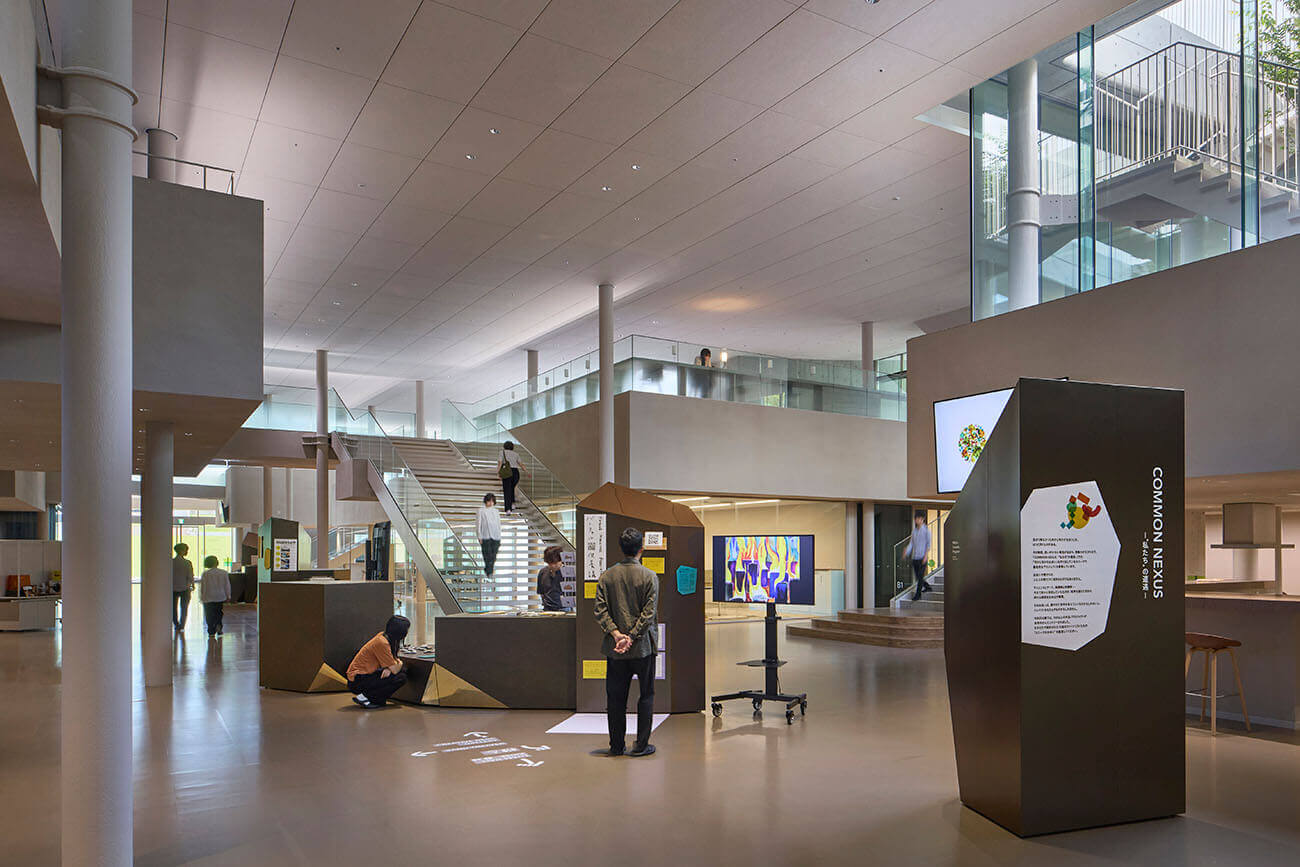
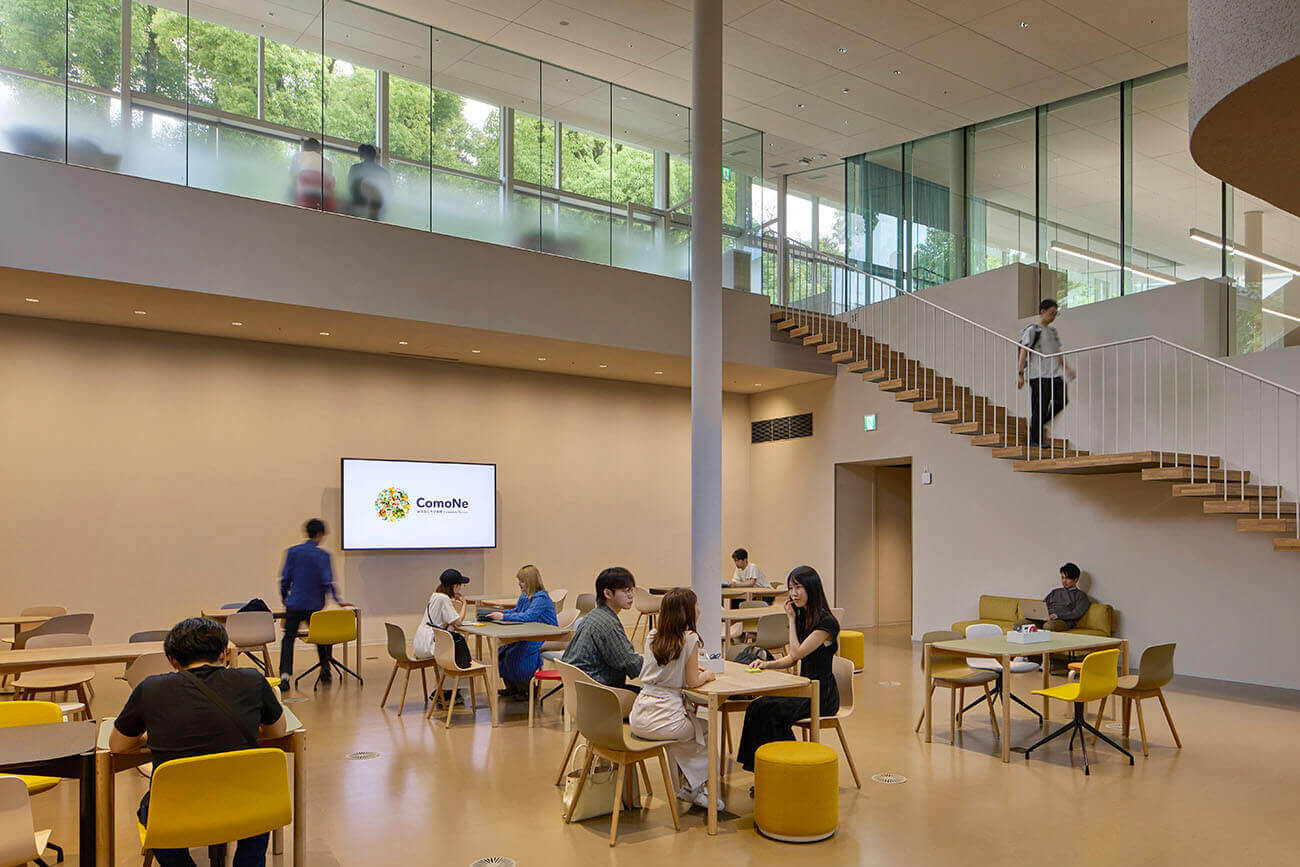
The ComoNe space comprises various distinct areas. These include the co-creation space, where members can engage in discussion and creation; the museum, where visitors can interact with a variety of exhibits and contemplate them; and the public Space, where students and members of the public can relax. The integration of these three spaces is one of the facility’s key features.
The new values and activities created in the co-creation space are made accessible to the general public and local communities through museum exhibitions. The new culture that emerges there further permeates society through the public space. To foster this organic connection, the space is designed not only through the placement of areas, but also through experience design that emphasises the flow of movement throughout the facility.
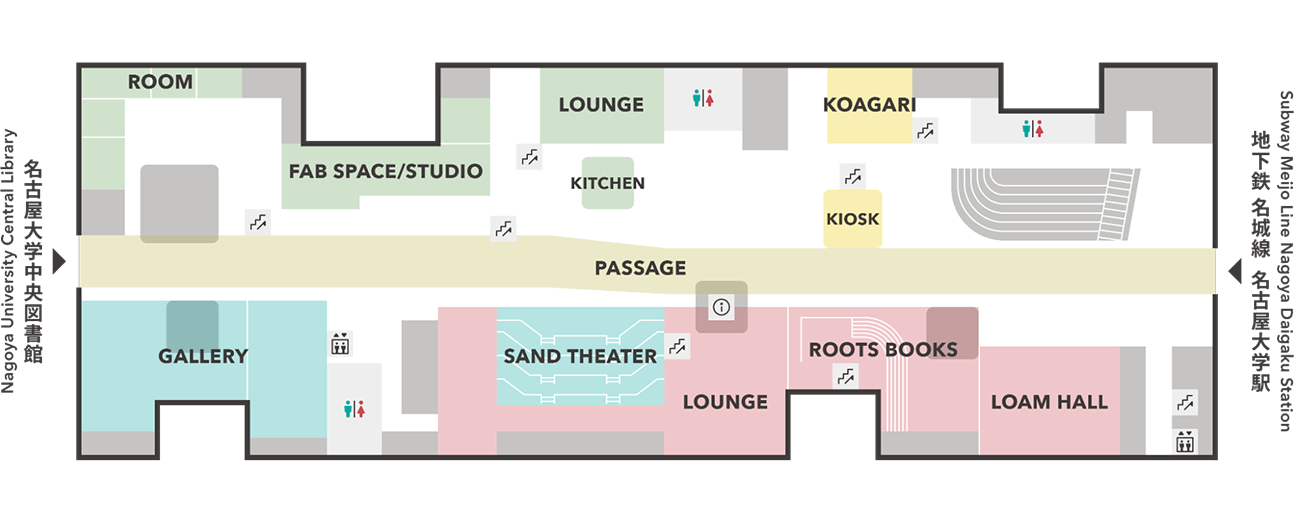
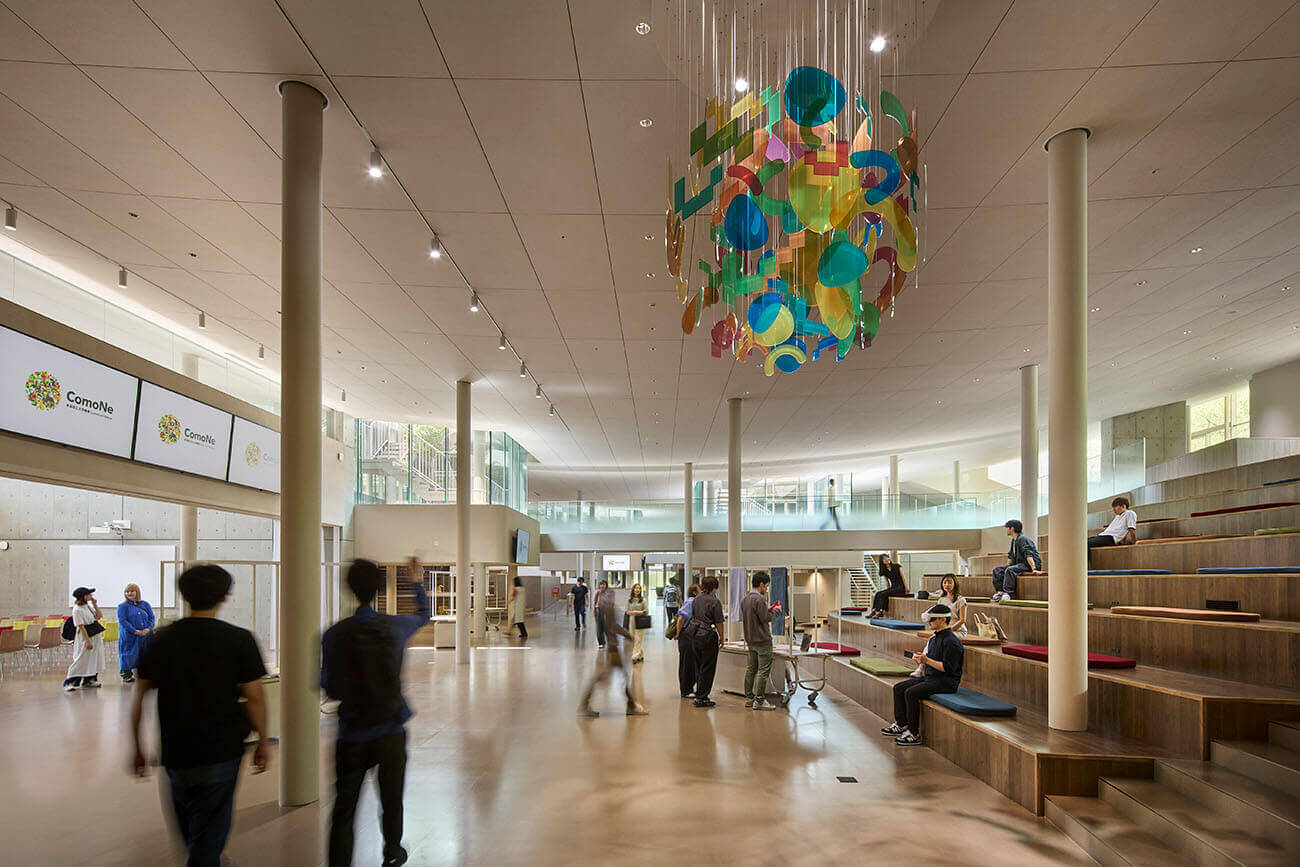
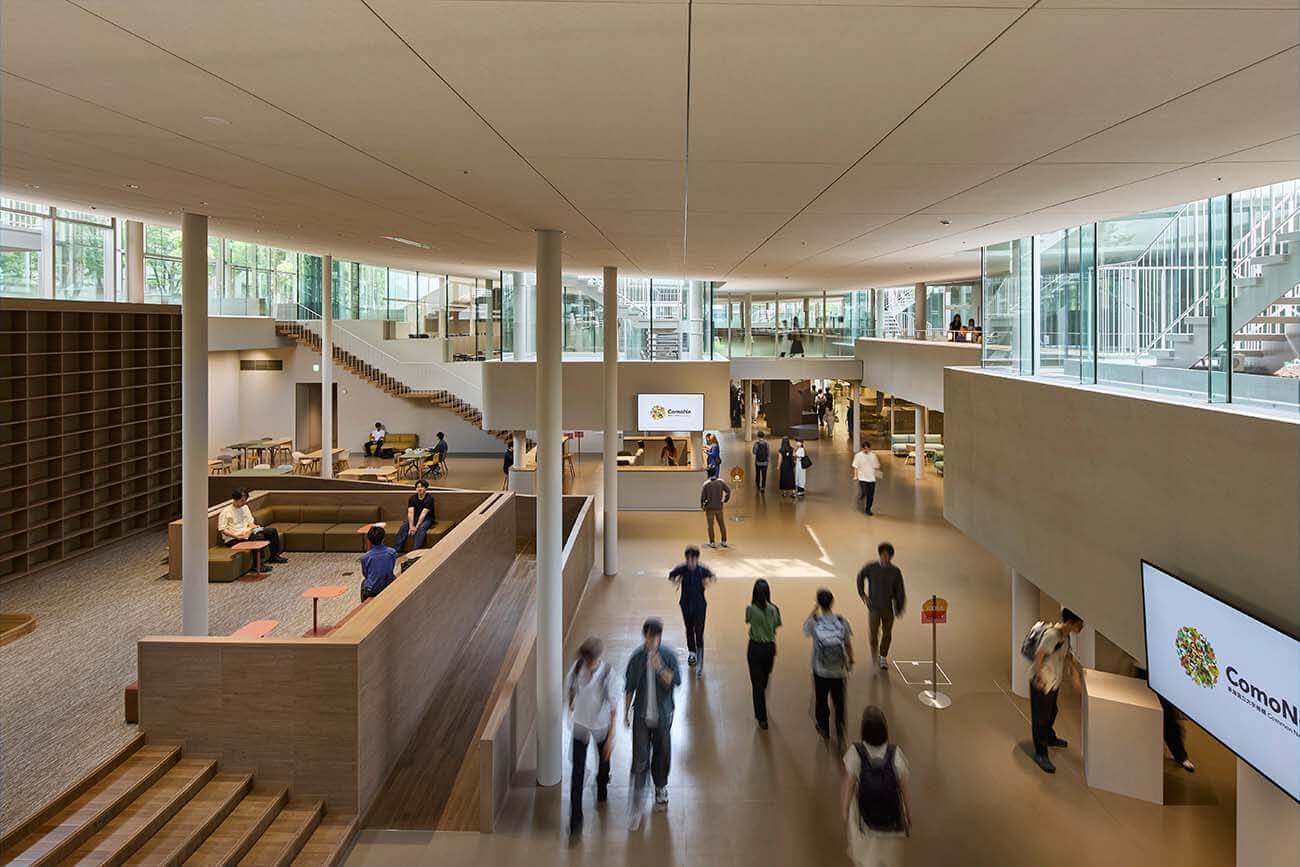
One of these is the central circulation area, PASSAGE, which connects the east and west entrances of the facility. This open space allows diverse people to come together and create value. Various other areas are strategically placed throughout the facility, enabling different communities to engage in activities and interact with society in various ways. This design enables the facility to realise its full potential as a space for co-creation.
Furnishings, Furniture, and Signage that Create Rich Experiences
As well as selecting off-the-shelf furniture, curtains, and fixtures, Loftwork was responsible for designing custom-made furniture and curtains. These were designed and arranged to complement the overall concept of the space while ensuring practicality. Furthermore, Loftwork directed the design of logos, interior and exterior signage, and external decor to create a unified visual identity for the ComoNe brand and enhance the visitor experience.
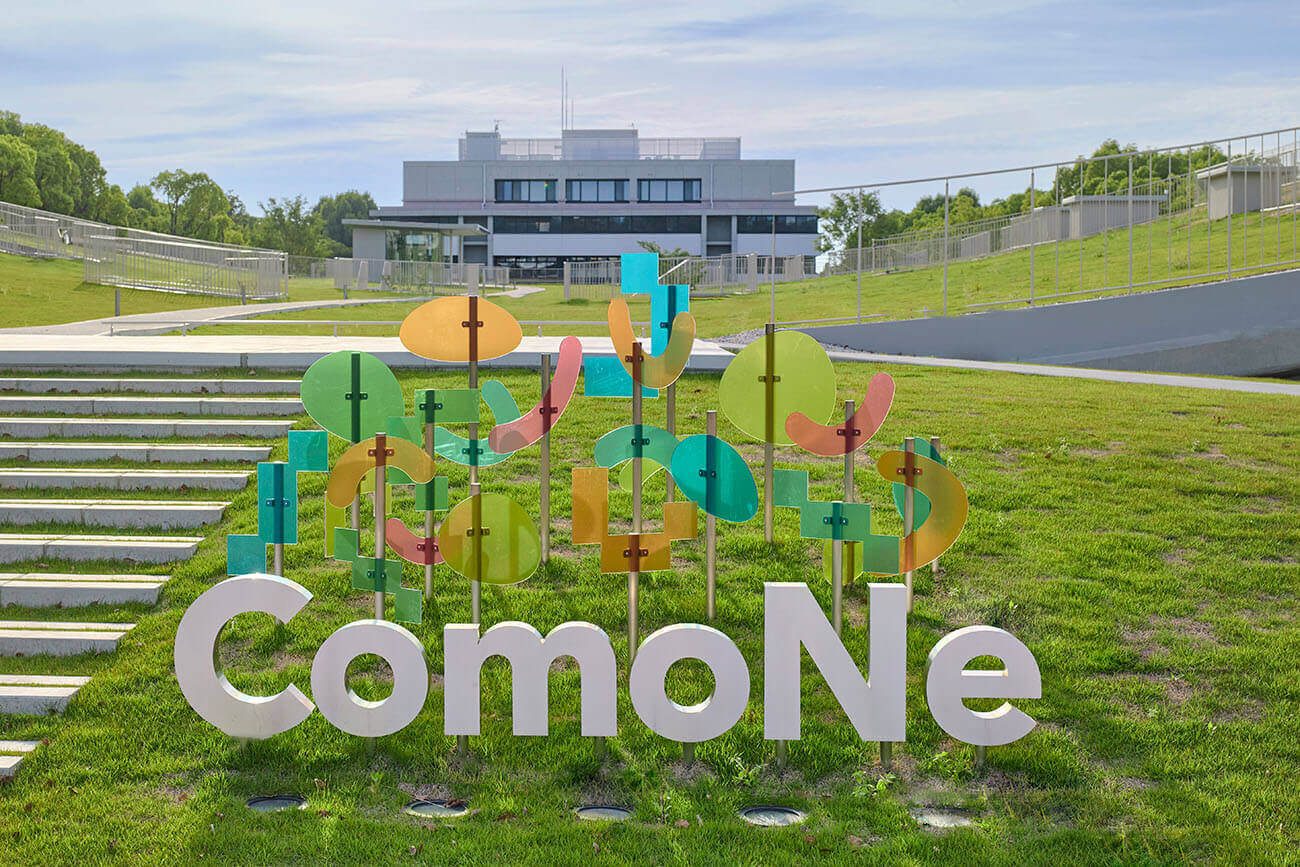
The facility's iconic exterior sign, serving as its face
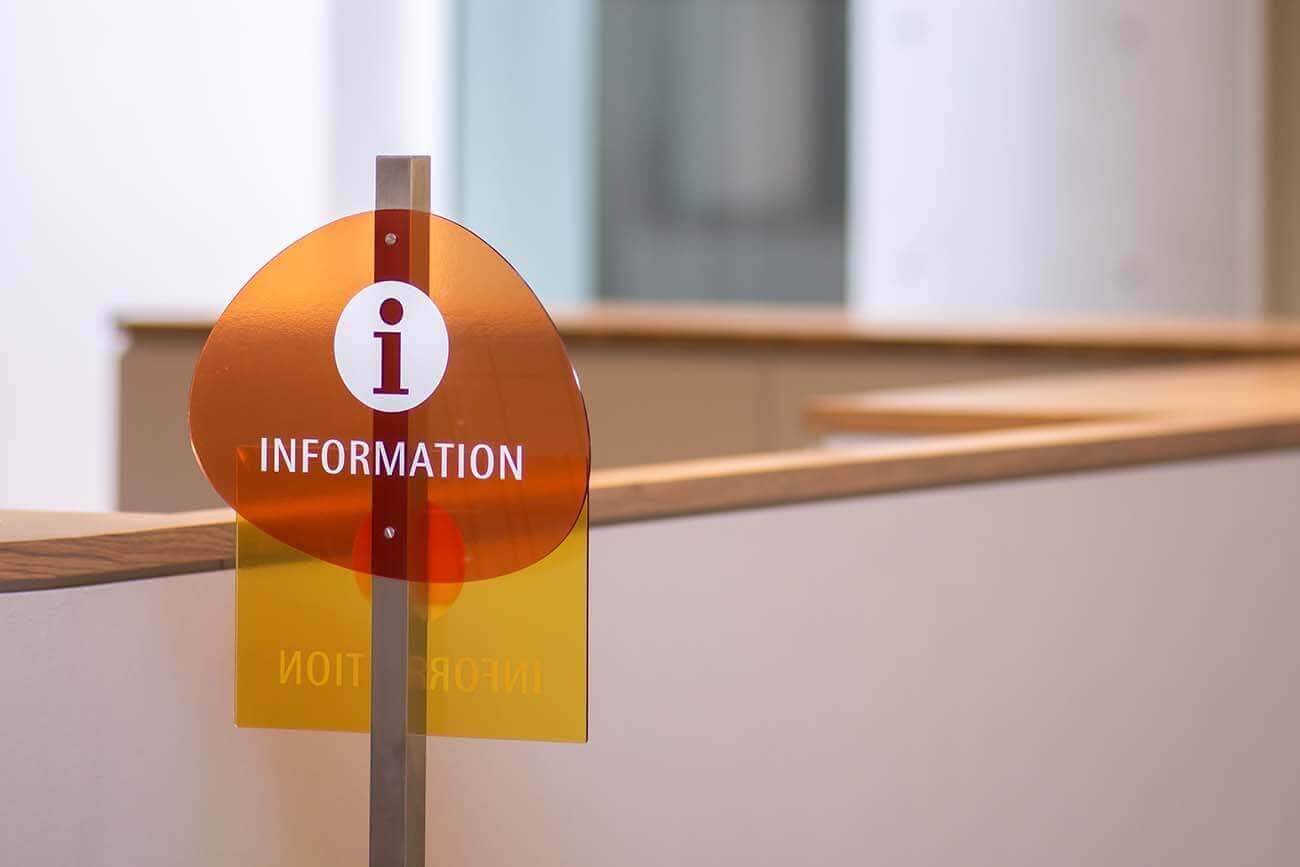
An indoor sign that clearly conveys facility flow using motifs derived from the logo mark's decomposed elements
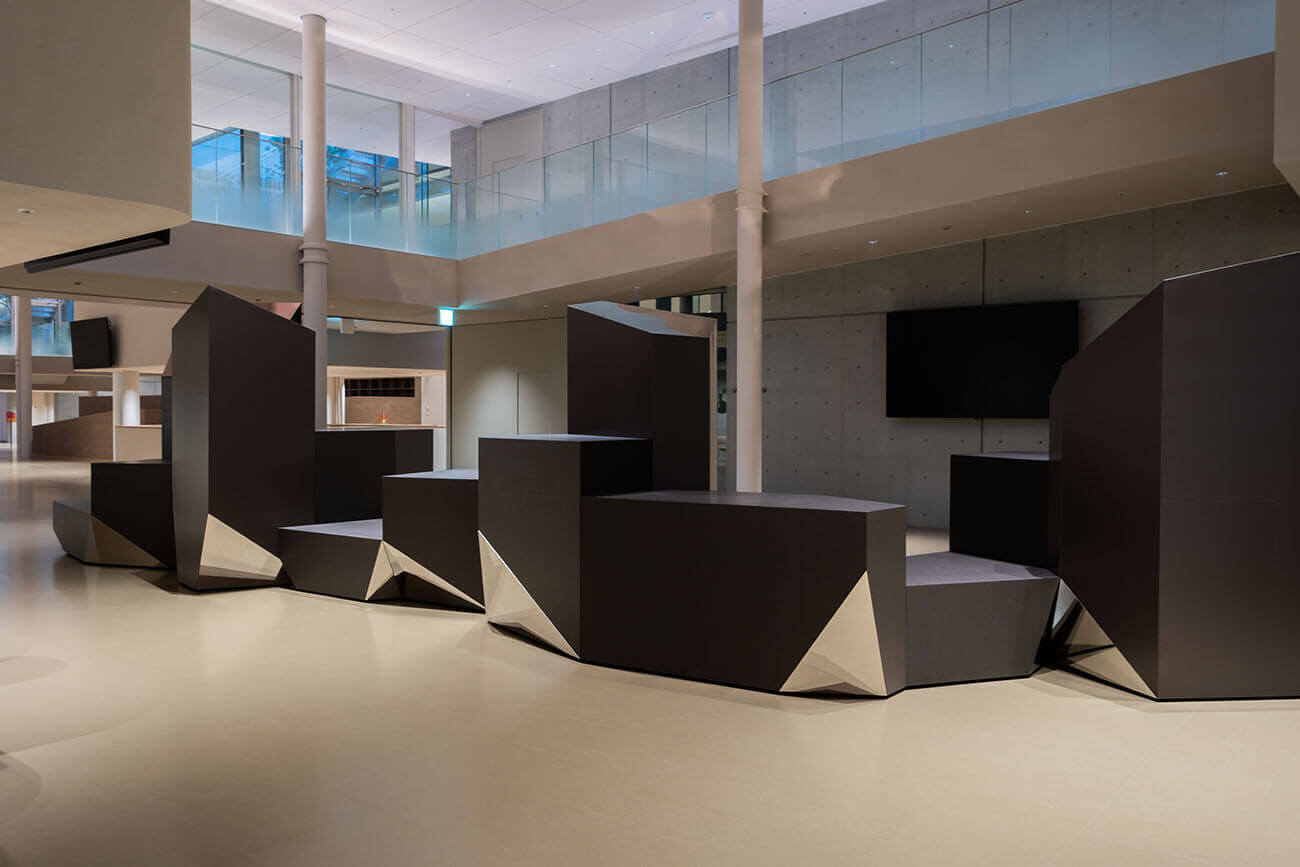
Exhibition fixtures that can be freely reconfigured to suit the exhibition content
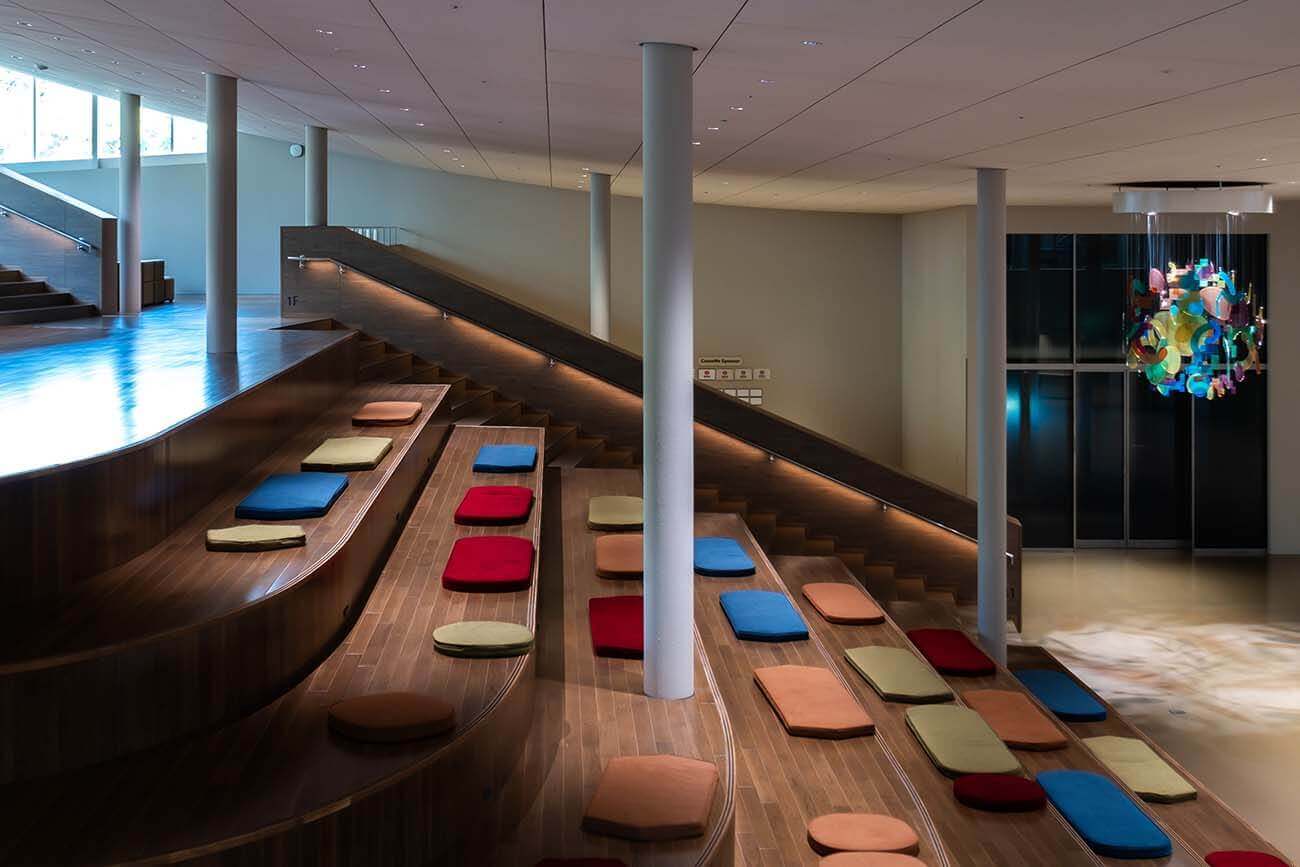
Cushions featuring a colorful design inspired by the logo's base color
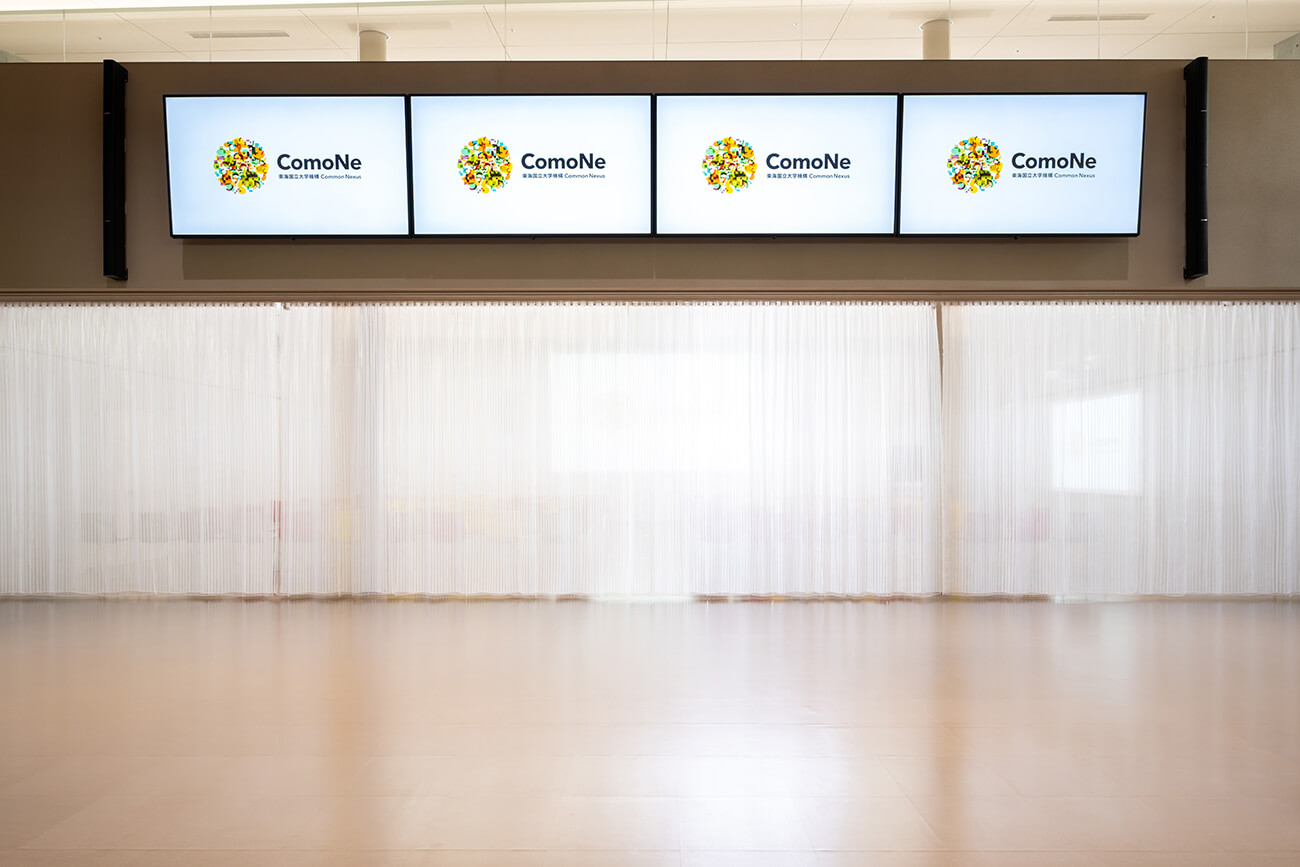
Highly translucent curtains softly divide the space
The Engine of Co-Creation: Membership System and Diverse Programs
The driving force behind co-creation at ComoNe is the range of programs offered. The facility’s many programs aim to support a cycle where people’s shared curiosity can transform into new value that is then shared with society.
The ComoNe Program: Interconnected Content Across Multiple Initiatives
The ComoNe Program is a comprehensive initiative combining curated exhibitions with workshops, talks, and other events. Works are gathered for exhibitions through both invitations and open calls, offering visitors a fresh approach to viewing exhibitions at ComoNe. By collecting questions and feedback from visitors and incorporating themed dialogues and interactive experiences with guest speakers, the program provides opportunities for engagement with ComoNe content in various ways.
From Open Calls to Youth Workshops
ComoNe offers a variety of other programs. One example is the NenoNe Program, a project-based open call program that invites research activities and projects. Applications for this program are open to non-members of ComoNe as well, and are accepted every three months through the public platform AWRD.
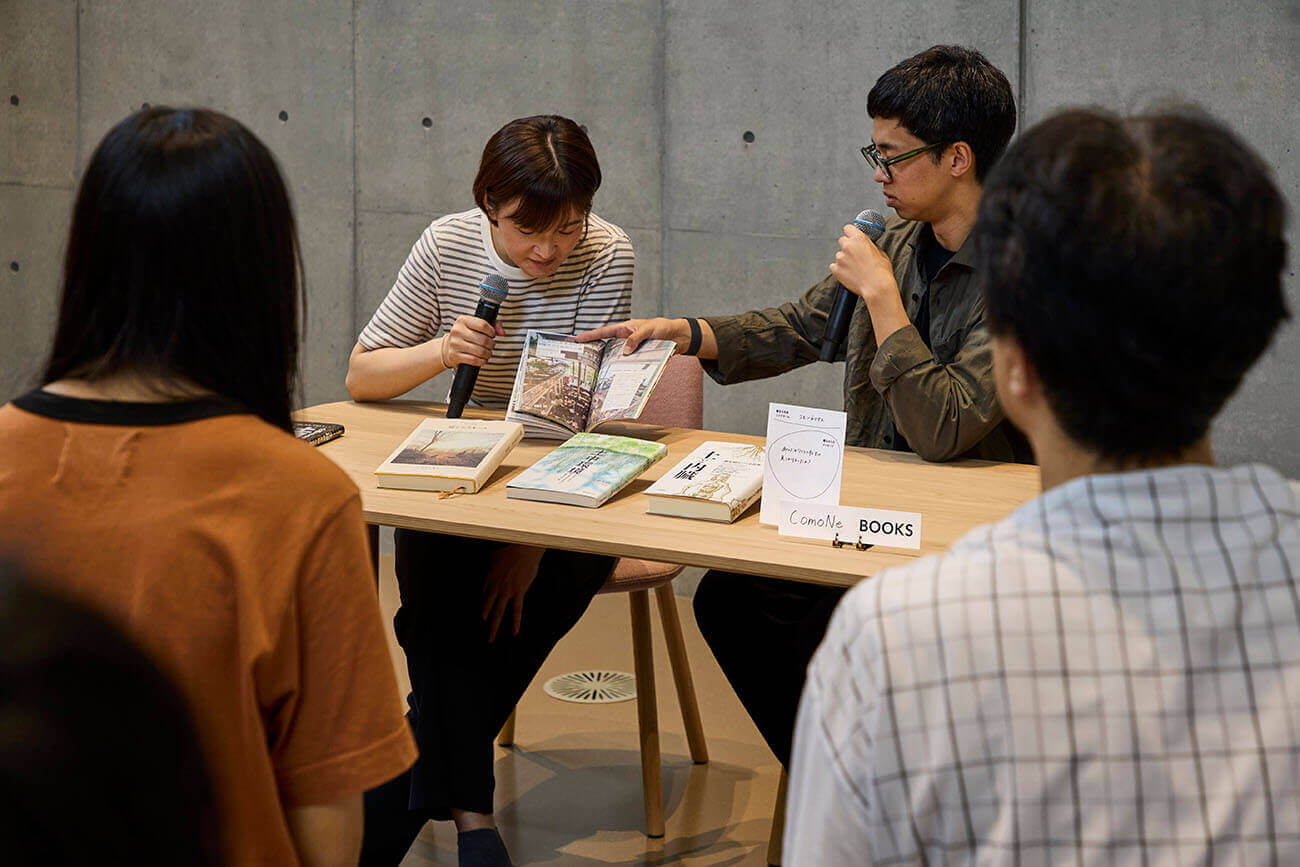
Additionally, a variety of programs are offered to encourage interaction between different generations and sectors. These include Como no Ichi (Como Market), where member projects are presented alongside company and organization booths and exhibitions; ComoNe Academia, which hosts researcher-led events for secondary school students; and Hito to Nari Books (Personality Books), a shared bookshelf that fosters connections through literature.
Designing the Membership System
The ComoNe paid membership system offers benefits relating to event participation, program access, and facility usage, as well as support for research activities and publicity for research outcomes.
One of the key advantages of the membership system is that it enables the administration of the facility to track the work of individuals within ComoNe. This enables staff to provide appropriate support for exchange, creation, and sharing, ultimately fostering an environment that is more conducive to value creation.

Engaging Exhibitions for Curious Minds
In addition to curated exhibitions, the facility features displays of collaborative works as well as presentations of research and artistic activities throughout the space. These exhibitions showcase the latest developments emerging from ComoNe, providing opportunities for researchers and artists to share their processes and engage with a broader audience.
Exhibitions of Collaborative Works by Researchers and Artists
The GALLERY area features the long-term exhibition “STEAM GALLERY”, which showcases STEAM artworks. Three cross-disciplinary STEAM works, created through collaboration between artists with ties to the Tokai region and researchers from the Tokai National University Corporation, are currently on display. This collaboration aims to present new questions to diverse audiences, encouraging exploration and thought. Alongside the artworks, there are also interview videos and displays showcasing the creative process.
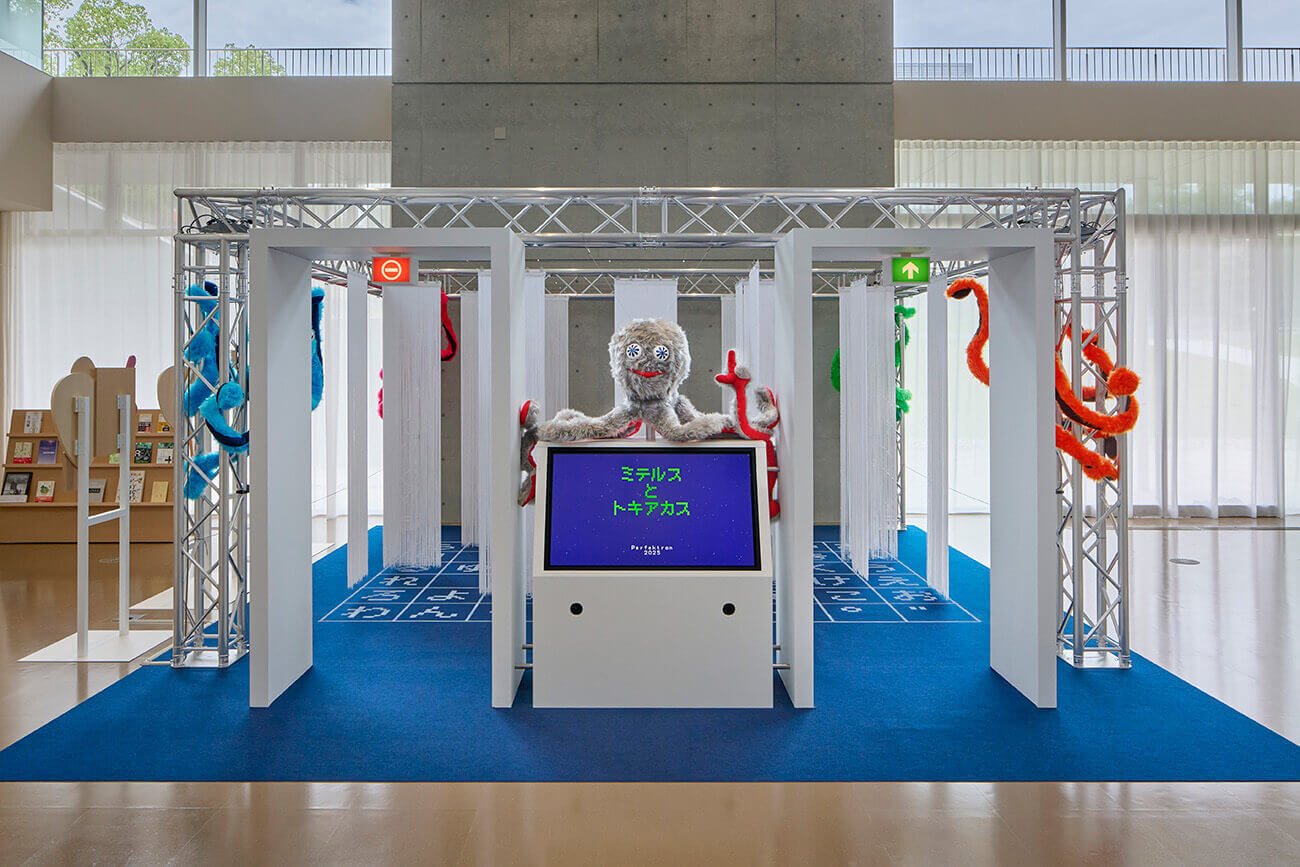
Title: Miterusu and Tokiakasu
Artist Name + Researcher Name: Perfectron + Naoshi Hayakawa
Title: Miterus and Tokiakasu
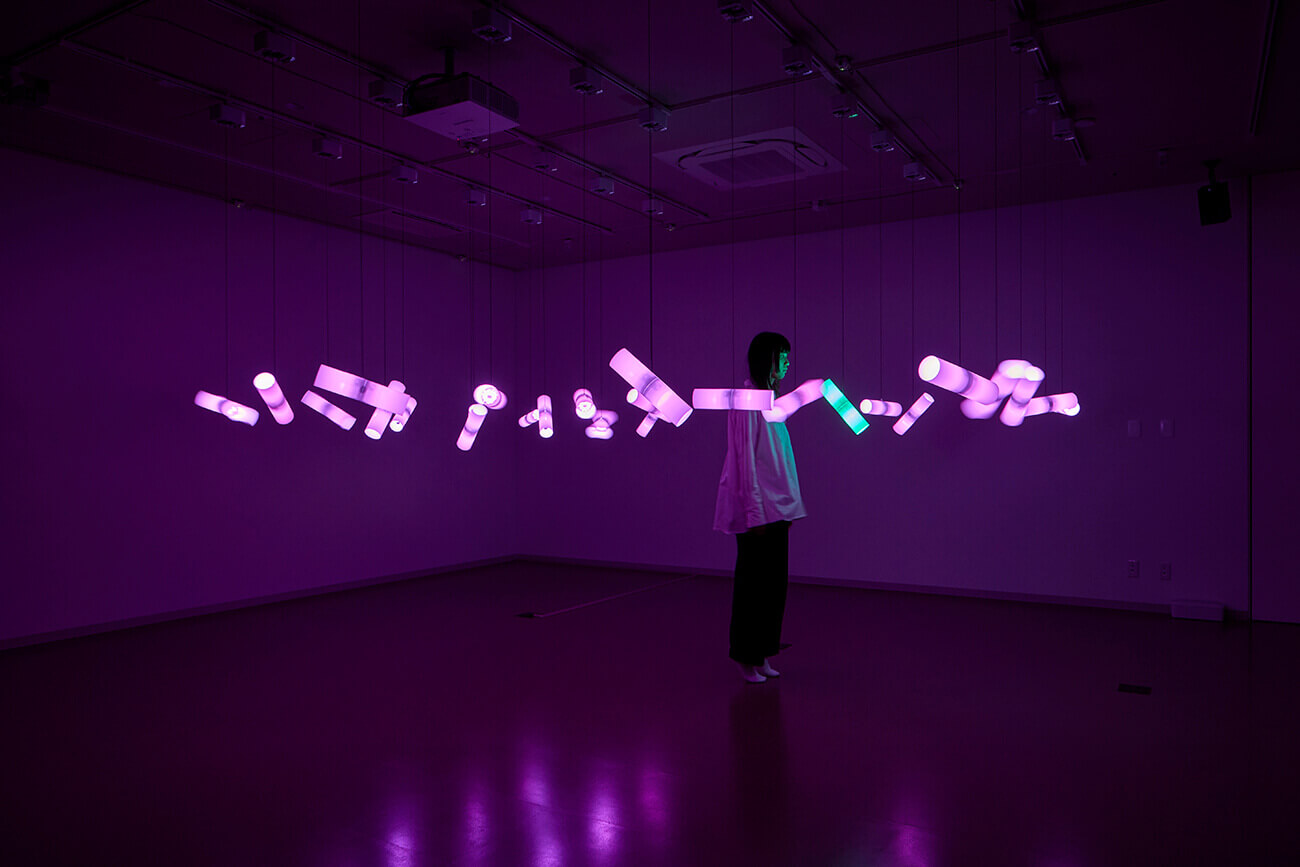
Title: Fragmentations of Unity
Artist + Researcher: Sō Kanno + Takuro Yonezawa + Kyopalab
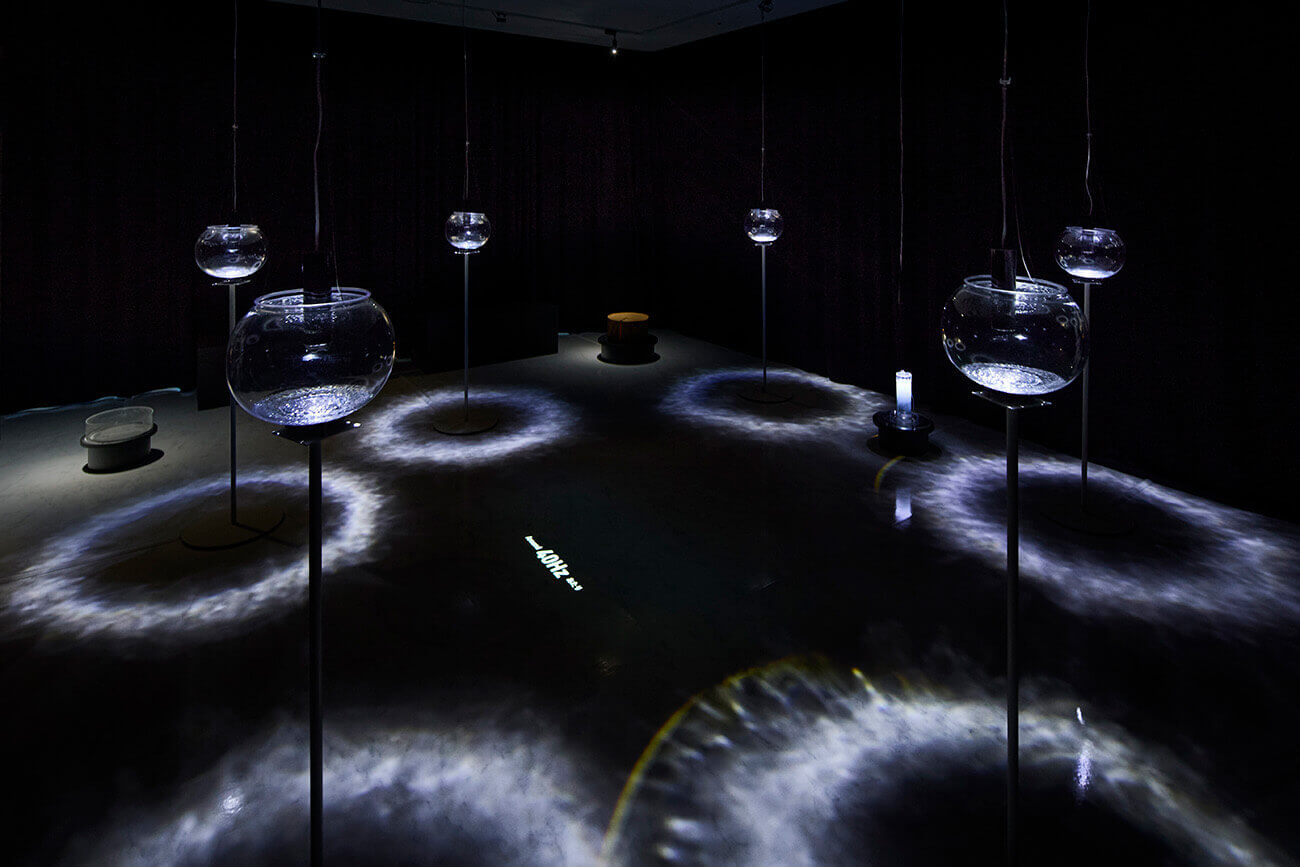
Title: Deep Ground Resonance
Artist + Researcher: Dorita Takito + Yasuhiro Suzuki
More details on the artwork:
Miterusu to Tokiakasu Fragmentations of Unity Deep ground Resonance
Project Material: A Pop-up Exhibition Sharing the Inquiry Process
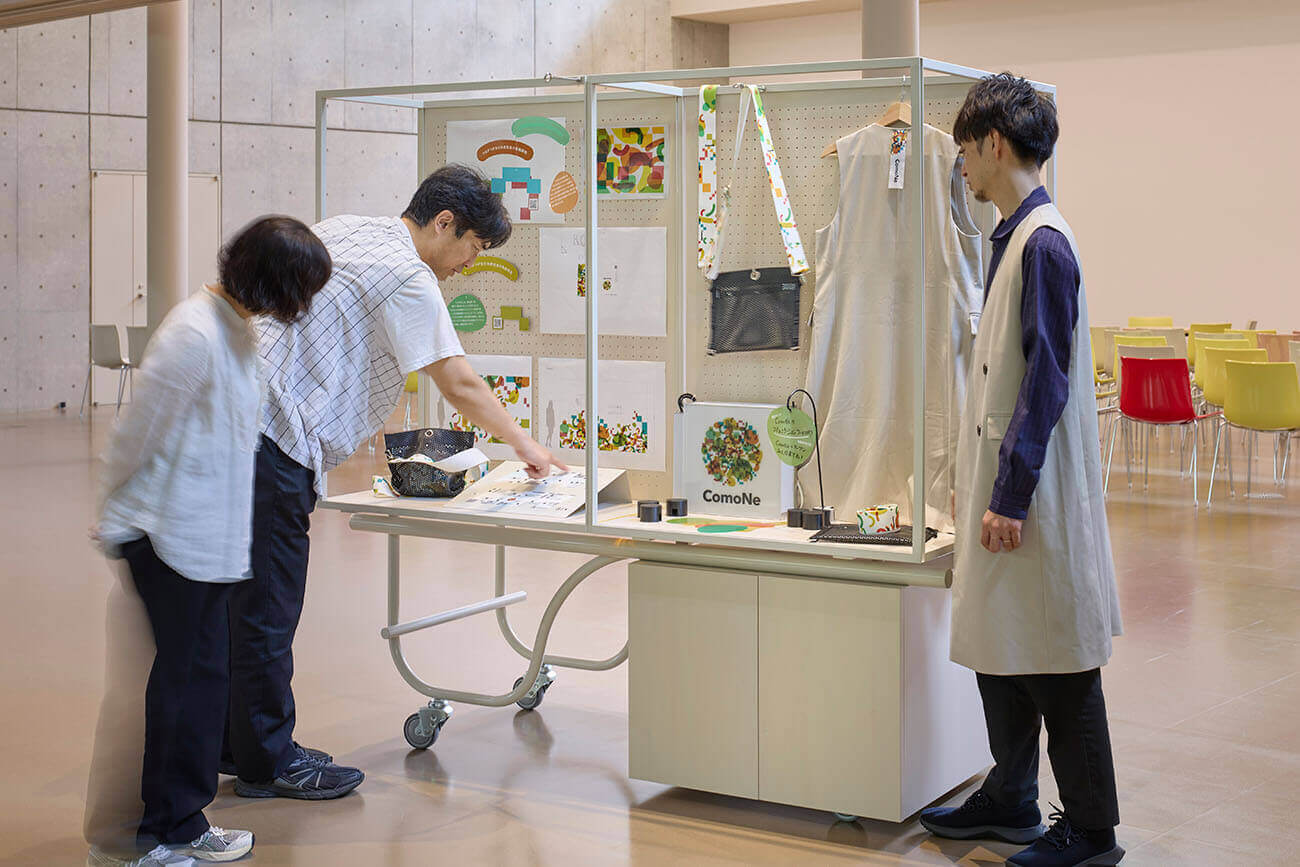
In the pop-up exhibition “Project Material,” visitors can see works-in-progress by ComoNe members. By displaying unfinished ideas and experimental processes, the exhibition enables visitors to provide feedback, leading to the refinement of works, increased motivation and the fostering of further co-creation.
Operations and Community Management for Growth
A co-creation facility is never truly complete; the key lies in the value it generates after opening. The aim of ongoing operations is to establish a cycle of activation, fostering further interactions and co-creation while remaining flexible to change. To achieve this, Loftwork supports both people and systems to ensure the continuous growth and success of the facility.
Recruitment and Development
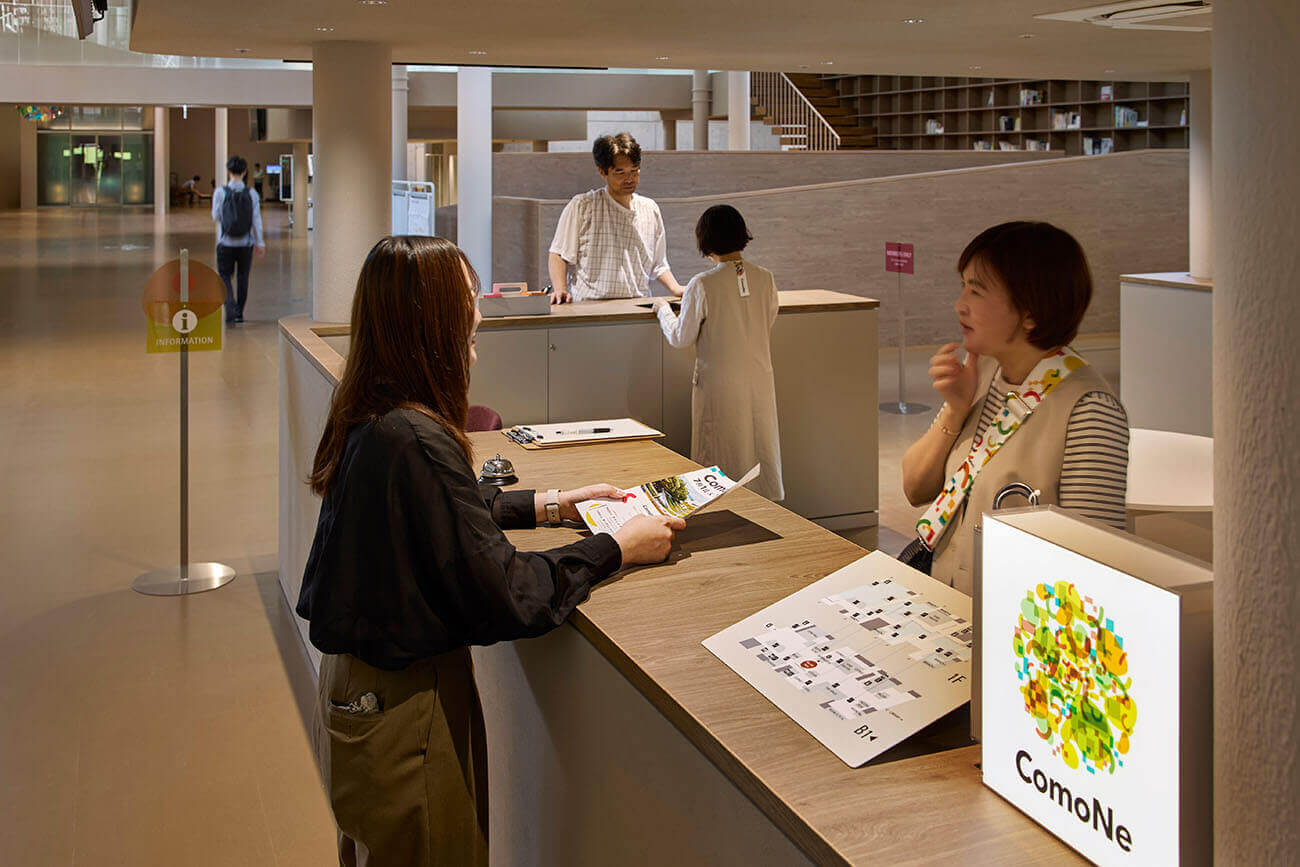
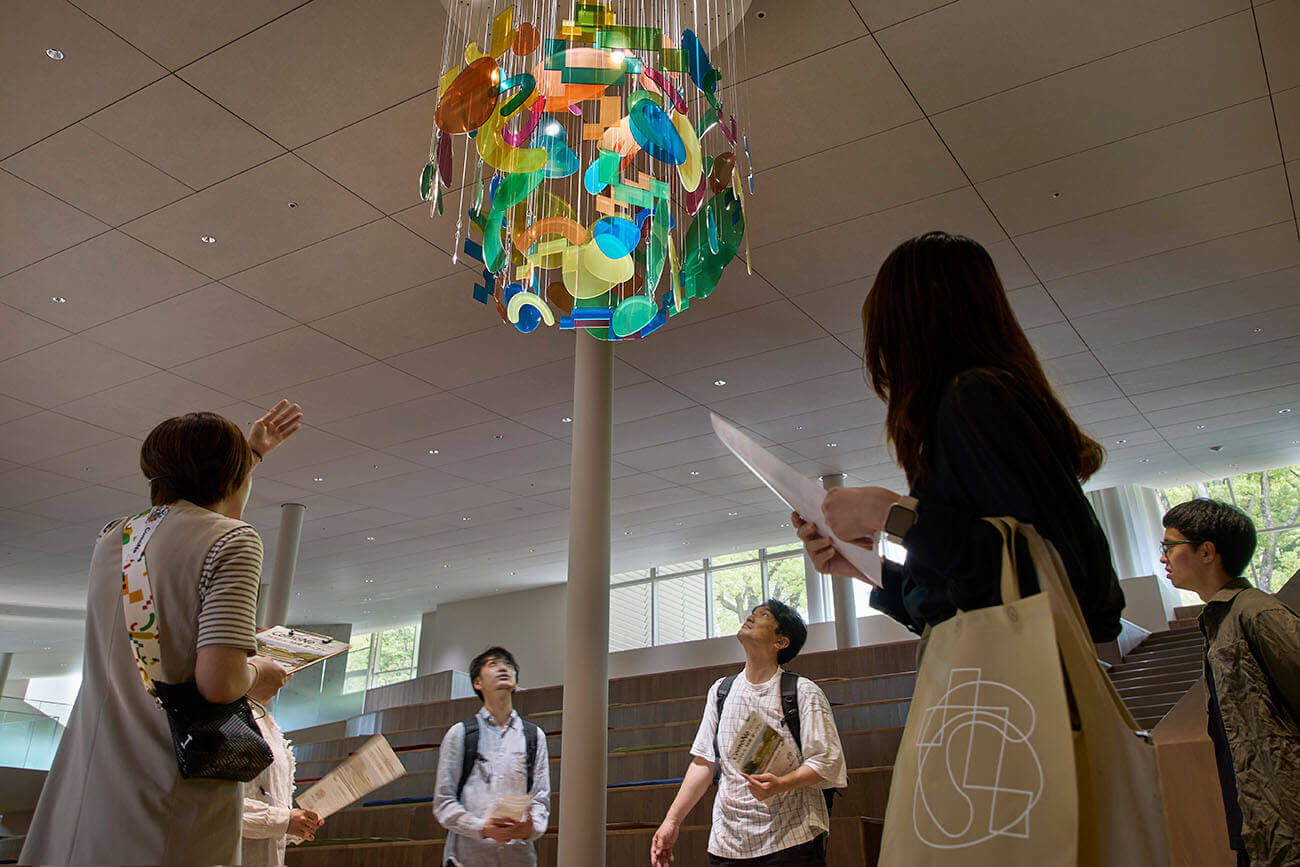
At the heart of ComoNe’s operational structure lies the crew. They act as frontline staff, managing the space and providing tours that introduce visitors to the facility. They communicate the concept and appeal of the space in an accessible way.
Loftwork supported the development of the operational structure, including recruitment plans and staff training. The team engages in dialogue with a variety of stakeholders, including members, and encourages interaction with a broad spectrum of individuals. Their goal is to embody ComoNe’s vision of being a space for co-creation.
Establishing Operations and Management Systems
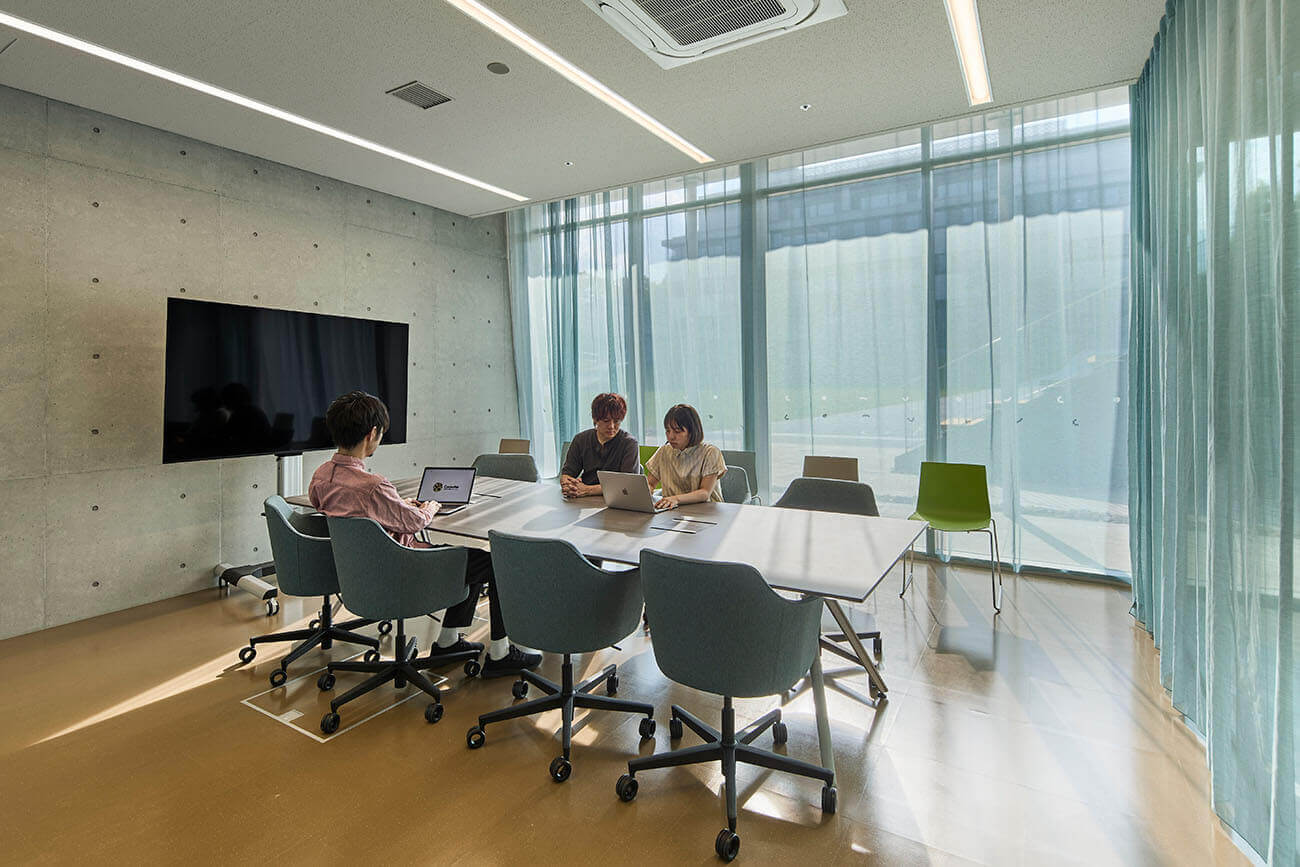
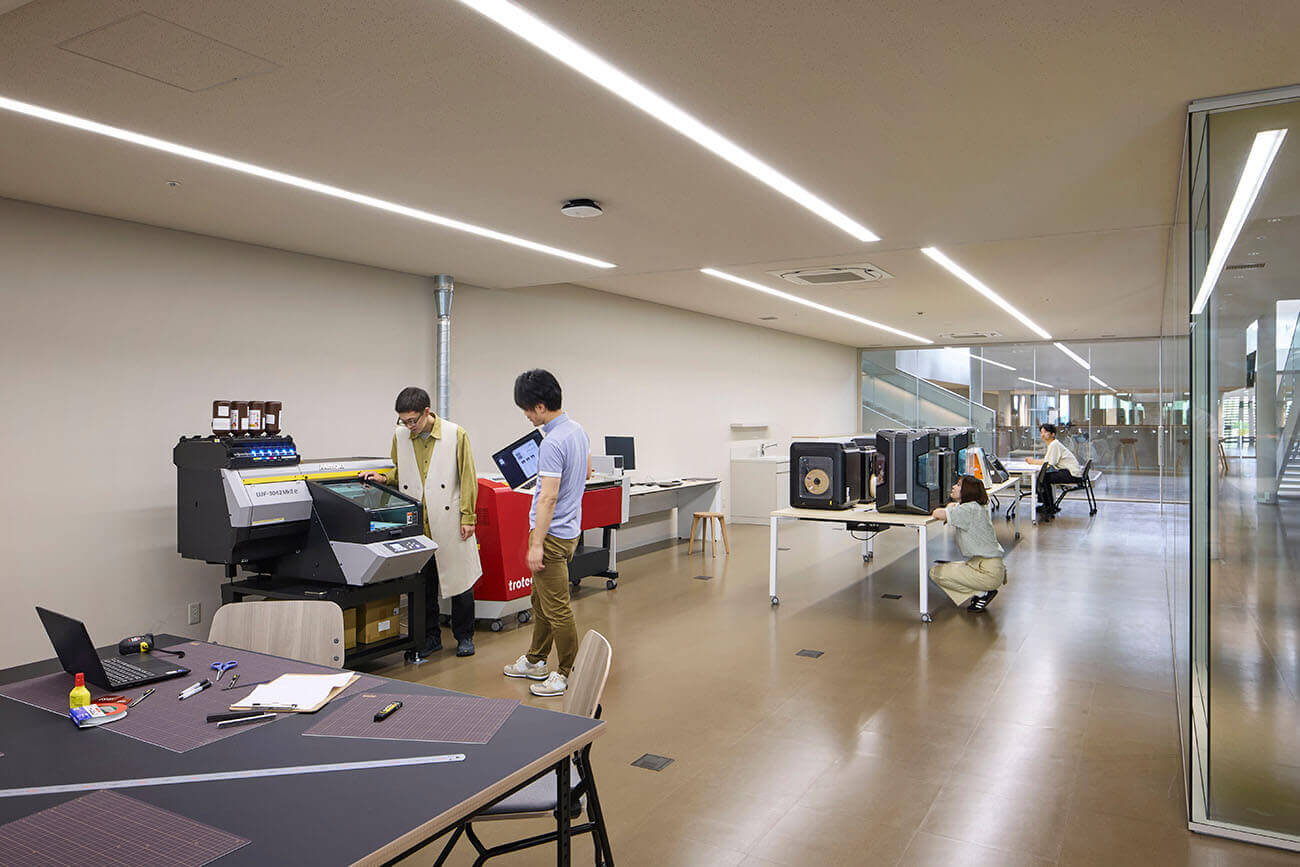
At ComoNe, in addition to the exhibition and co-creation spaces, facilities such as meeting rooms and fab spaces are provided to cater to a variety of purposes. To ensure smooth operations, Loftwork implemented a wide range of operational processes, including usage rules, management guidelines for each area, exhibition inspections, and handling inquiries.
In addition, a customer information management system has been implemented to streamline the management of member data, reservations, payments, event applications and other processes. This user-friendly system facilitates seamless use and management for visitors and the administration alike.
Branding and Communication Tools
The goal of ComoNe’s PR strategy is not only to share information, but also to engage a wide range of stakeholders and encourage active communication, thereby amplifying the ‘energy’ of the facility. To this end, Loftwork provided support for the facility’s branding and the development of various communication tools.
Logo Development
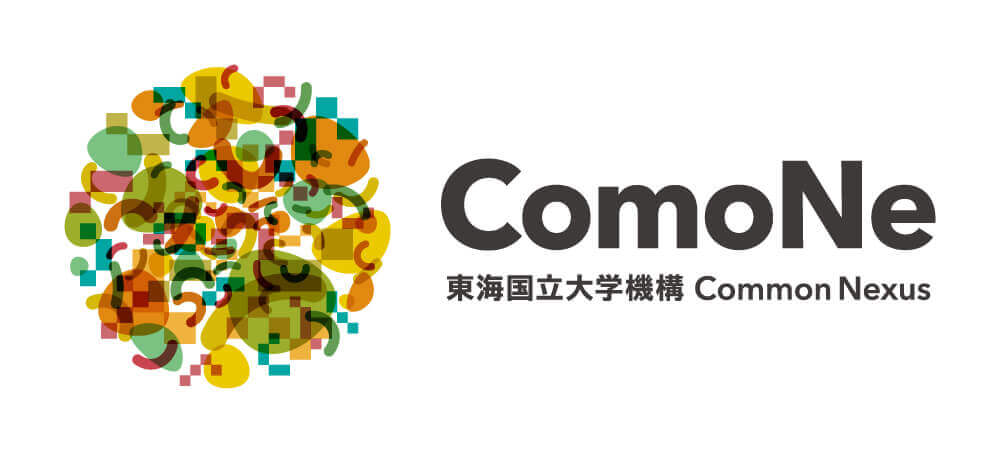
The ComoNe logo represents the concept of the facility, where individuals are the main focus. Each person stands out with their unique qualities, and together they shape the space. The symbol, formed from a variety of shapes coming together, evokes the idea of a gathering of knowledge and represents ComoNe’s activities, in which new value radiates outwards from a central point.
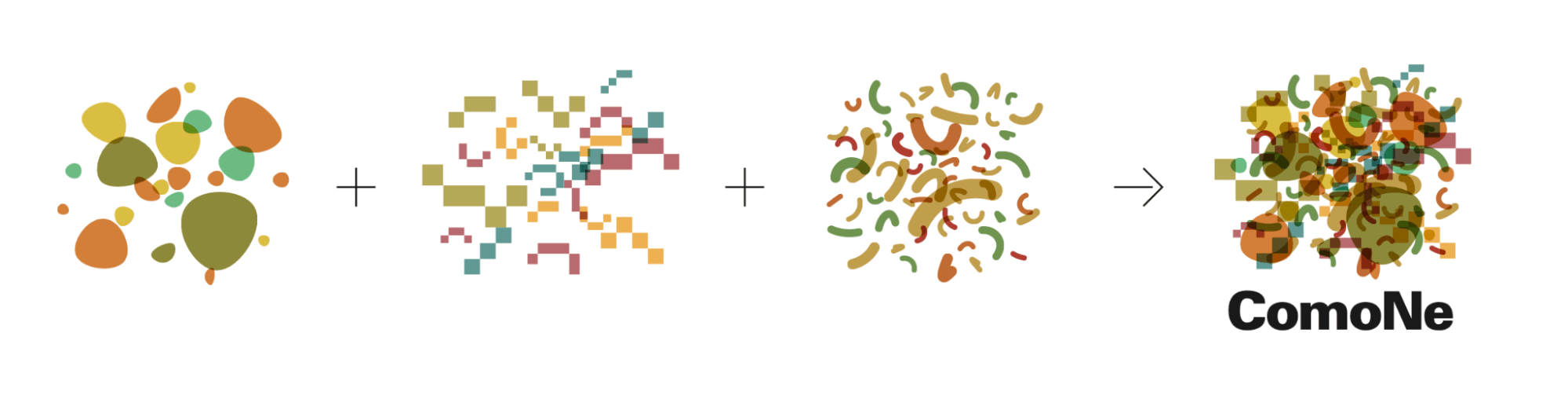
The logo comprises three shapes: organic forms, pixel representations and geometric elements. It reflects the fusion of opposing elements, such as reason and emotion or humanities and sciences, and embodies the essence of ComoNe as a space where these contrasts converge. While the logo uses earth tones to evoke the imagery of the soil, vibrant colours are incorporated into the details to highlight the individuality of the diverse people within the space.
Tagline & Statement Development
Loftwork created a tagline and a corresponding statement to define what ComoNe represents to stakeholders and users while conveying its character. When developing the tagline, we reinterpreted the Tokai National University Corporation’s vision, using an engaging, light-hearted tone to present ComoNe as an open co-creation space. The tagline encapsulates the essence of the facility, while the statement elaborates on its deeper message.
ComoNe Tagline & Statement
ComoNe: Here might be the future.
This is a gathering place where art lovers and science enthusiasts, people and nature, adults and children, all come together.
This is a fertile ground where countless seeds sprout and grow.
This is a leisurely path for a peaceful stroll.
You might just find your next passion here.
ComoNe — what will you do here?
Your new world is unfolding here.
Everyone’s wisdom is circulating here.
Yes, here might just be the future.
Communication Tools
We developed tools to support various types of communication that arise in this facility. These tools are utilized by many kinds of users, including students, members, visitors, exhibitors and local residents. These tools contribute to the branding of the facility.
Concept Video
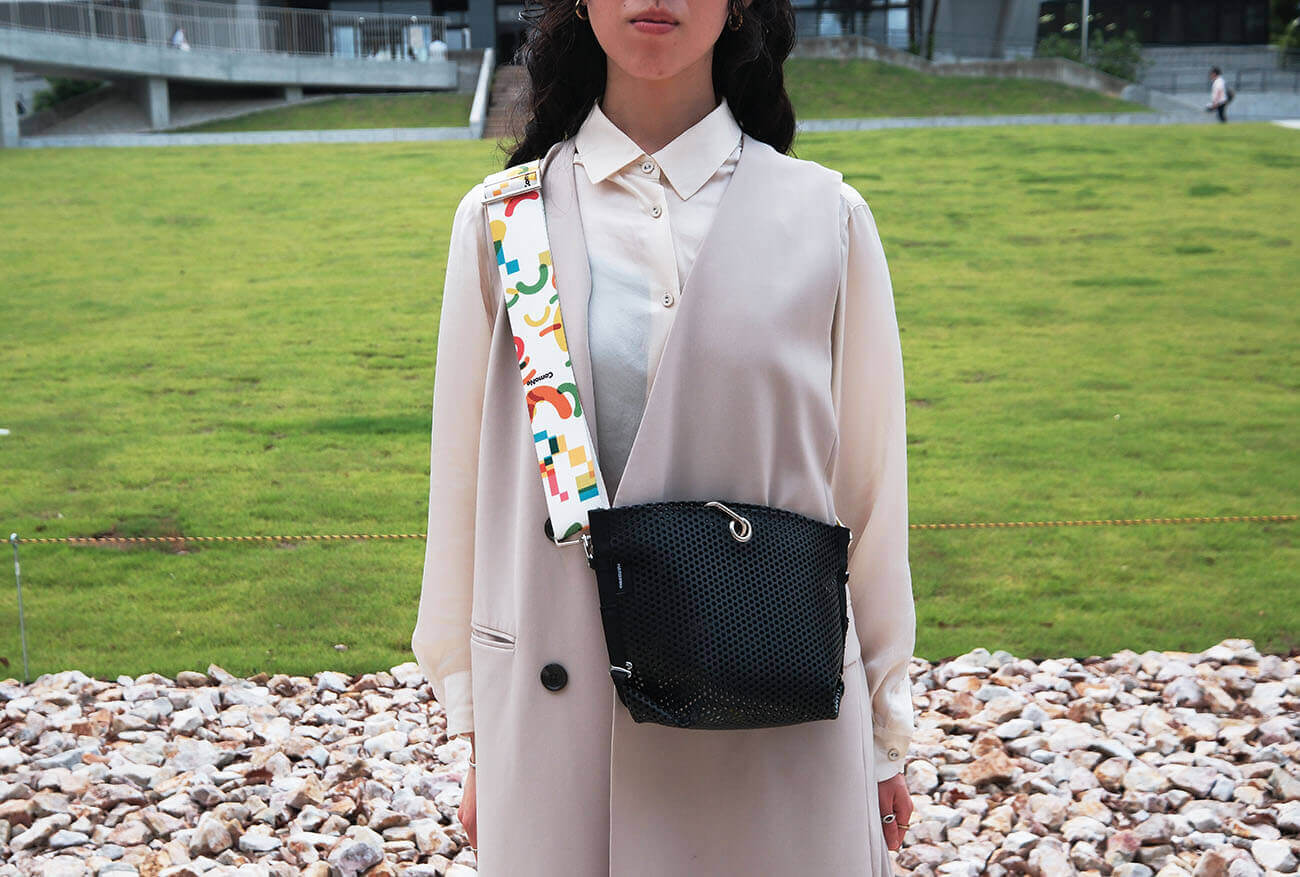
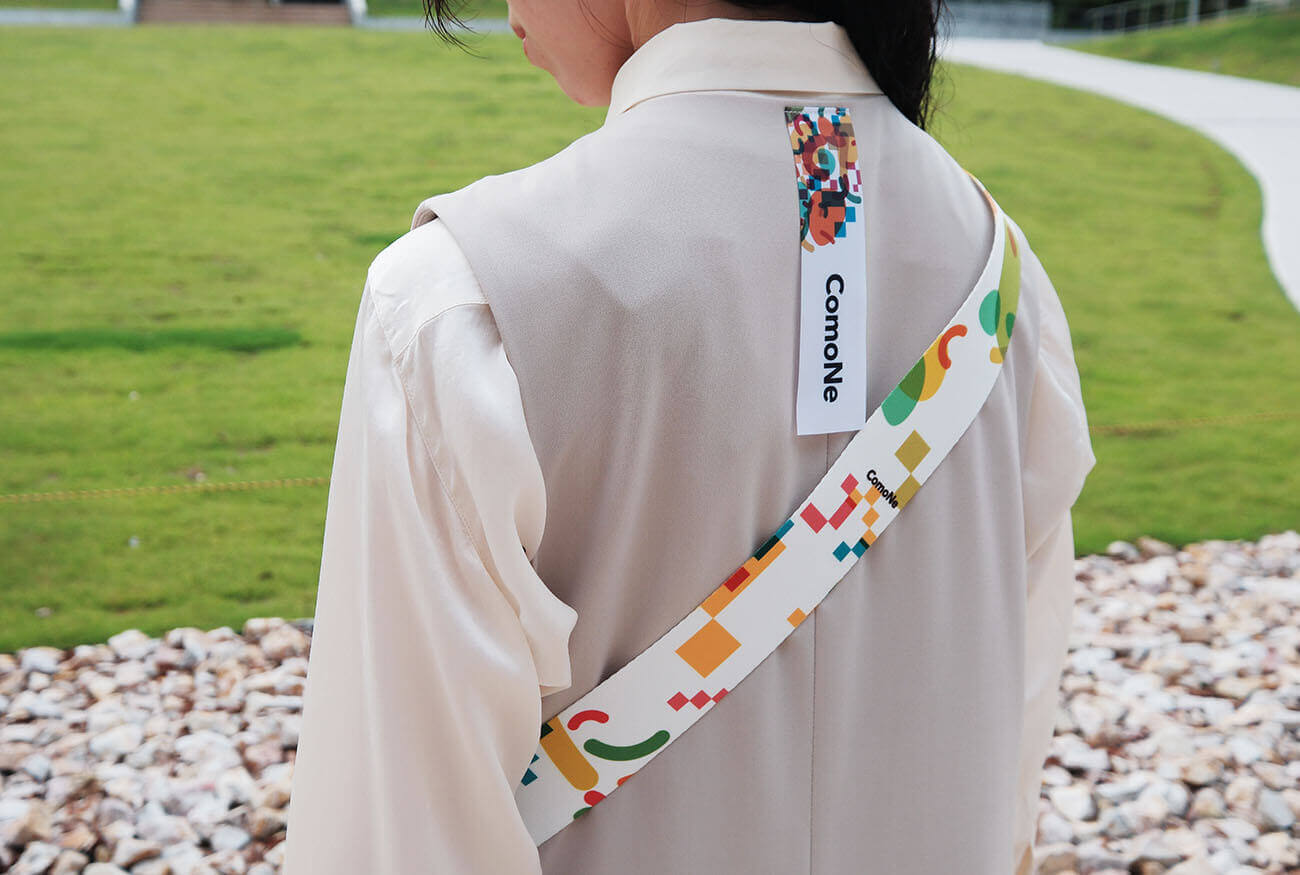
Uniform
Credit
Project Overview
- Client Name: Tokai National University Organization
- Project Period: 2023–July 2025 (followed by operational phase)
Team Structure
- Loftwork Inc.
- Production & Business Planning: Hajime Matsui, Yuki Fukuda
- Project Management: Kenta Watanabe, Akari Miyamoto, Toshiki Nojima
- Spatial Direction: Kenta Watanabe, Kyohei Tanahashi, Wakana Isaka, Nikki Hall
- Exhibition & Program Direction: Toshiki Nojima, Wakana Isaka, Hana Isozaki, Shoka Kubiishi
- Communication Strategy & Tool Direction: Kyohei Tanahashi, Wakana Isaka, Toshiki Nojima, Ayumu Sugita, Shoka Kubiishi
- Operations Design, Recruitment & Training: Shohei Koenoki, Ayumu Sugita, Kenta Watanabe
- Web Teaser Site Construction: Masumi Murata, Shoka Kubishiro
- External Partners
- Planning Cooperation: Nobuo Yoshinari
- Architectural Design: Tetsuo Kobori Architects Inc.
- Copywriting: Ayako Kawahara
- Illustration Production: Tatsuya Ono
- Logo, Signage, and Objects
- Logo Design, Signage Design, Symbolic Objects / Outdoor Object Production Supervision: Shin Takemoto Design Office Inc.
- Outdoor Object Production & Installation / Indoor Sign Production & Installation: Nagoya Kuroban Co., Ltd.
- Symbol Object Production & Installation: Staff Nine Hat Co., Ltd.
- Backlit Lighting Production & Installation: Nippon Sign Co., Ltd.
- Custom Furniture
- KIOSK / Special Exhibition / Food Stall Display Fixture Design, Production Supervision, Communication Board Production & Installation: Ambient Designs Co., Ltd.
- Special Exhibition / Food Stall Display Fixture Production & Installation: Hida Sangyo Co., Ltd.
- KIOSK Production and Installation: Hida no Mori de Kuma wa Odoru Co., Ltd.
- Standard Furniture and Curtains
- Furniture, Fixtures, and Standard Curtain Procurement: Maruten Sangyo Co., Ltd.
- Cushion Production: Pacific House Textile Co., Ltd.
- Custom Curtain Design: Fabricscape Co., Ltd.
- Custom Curtain Production: Mana Trading Co., Ltd.
- Ready-made Curtain Production and Installation: Creation Baumann Japan Co., Ltd.
- Electric Blind Production and Installation: Tachikawa Blind Industry Co., Ltd.
- STEAM GALLERY Work Planning and Production:
- So Kanno (Media Artist / Specially Appointed Professor, Media and Visual Arts, Aichi Prefectural University of Fine Arts and Music), Takuro Yonezawa (Associate Professor, Graduate School of Engineering, Nagoya University), Kyopalab (Kyopalab Co., Ltd.)
- Dorita Takito (Artist/Director/Designer), Yasuhiro Suzuki (Associate Professor, Graduate School of Information Science and Technology, Nagoya University)
- Perfectron (Ryota Kuwakubo: Media Artist/Professor, Graduate School of Information Science and Arts, Reiko Yamaguchi: Creator/Specially Appointed Professor, Joshibi University of Art and Design), Naoshi Hayakawa (Assistant Professor, Institute for Space and Earth Environmental Research, Nagoya University)
- STEAM GALLERY Exhibition Content
- Lighting: Madoka Hattori
- Graphic Design: root design studio
- Exhibition Fixture Design & Production Supervision: Yusuke Yamagiwa
- Exhibition Fixture Production: TANK Inc., WELLON Inc.
- Video Production: locofilm
- Concept Movie
- Motion Graphic Design: Iori Iwaki
- Music Production: Kaoring Machine
- Communication Tools
- Tool Design: THROUGH
- Tool Design: FREAKS lab.
- Motion Logo & Jingle Design: Toshiki Okamoto
- Uniform
- Name Tag & Back Strap Design: Yasunobu Shimizudani
- Back Strap Production: PADMAM
- Web Teaser Site Design & Construction
- Spiccato Inc.
*Titles reflect positions at the time of project implementation.
Written and edited by: Yutaro Gokan (Loftwork Inc.)
Illustrations produced by: Asako Muraoka (Loftwork Inc.)
Activity photography by: Tomomasa Kusunose (Forward Ltd.)
Interior signage and furniture photography by: Kenta Watanabe (Loftwork Inc.)
Translated by: Eri Nakagawa & Gina Goosby
Member


Toshiki Nojima
Loftwork Inc.
Layout Director
Kenta Watanabe
Loftwork Inc.
Layout Director

Kyohei Tanahashi
Loftwork Inc.
Layout Director

Wakana Isaka
Loftwork Inc.
Layout Director

Nikki Hall
Loftwork Inc.
Layout Director
Hiroka Hitsuishi
Loftwork Inc.
Creative Director

Shohei Koenoki
Loftwork Inc.
Layout co-CLO (Chief Layout Officer)

Masumi Murata
Loftwork Inc.
Technical Director
Recommended
-
2026.01.20
From 2050 to now: Transforming future research into immersive experiences at The Moonshot Park at Expo 2025 Osaka
-

2025.11.18
From scaffolding rentals to a value-driven company: A six-year transformation across 15 projects
-

2025.02.04
Exploring Creative Iterators in Japan’s Local Regions From Interviews to Editing in "AAA City Art & Lifestyle Journal Vol.8" Cover Story
-

2025.01.24
DRIVE MYSELF PROJECT: Co-Creating Future Mobility with NISSAN and the Next Generation
-

2024.12.05
Future Dynamic Program 2024: Sustainability in Action
-

2024.11.15
Strategic Visioning with the World Bank Reflecting on Tokyo Development Learning Center’s past, present, and future
Next Contents