How a colorless macaron uses flavor to connect everyday shoppers with sustainability
Outline
Exploring sustainability through macarons
The H2O Retailing Corporation runs Hankyu Hanshin Department Stores, supermarkets, and shopping centers across the Kansai region, with food sitting at the heart of its operations. Through its long running “Shokutowa” initiative, the group turns store vegetable scraps into compost while upcycling surplus produce and household food waste. These efforts have built a relationship of trust with local residents and producers. Yet regulars still expressed little interest in sustainability and remained disengaged with the confronting issues within systems of sustainability. This inspired the project to focus on reaching a new approach to social movements and social engagement.
To bridge that gap, H2O partnered with Loftwork to turn FabCafe Osaka into an experimental test kitchen to examine food systems from new perspectives of value creation. Rather than simply discussing sustainability, the team set out to craft an experience with immediate appeal, creating a concept that H2O could eventually introduce across its own retail spaces.
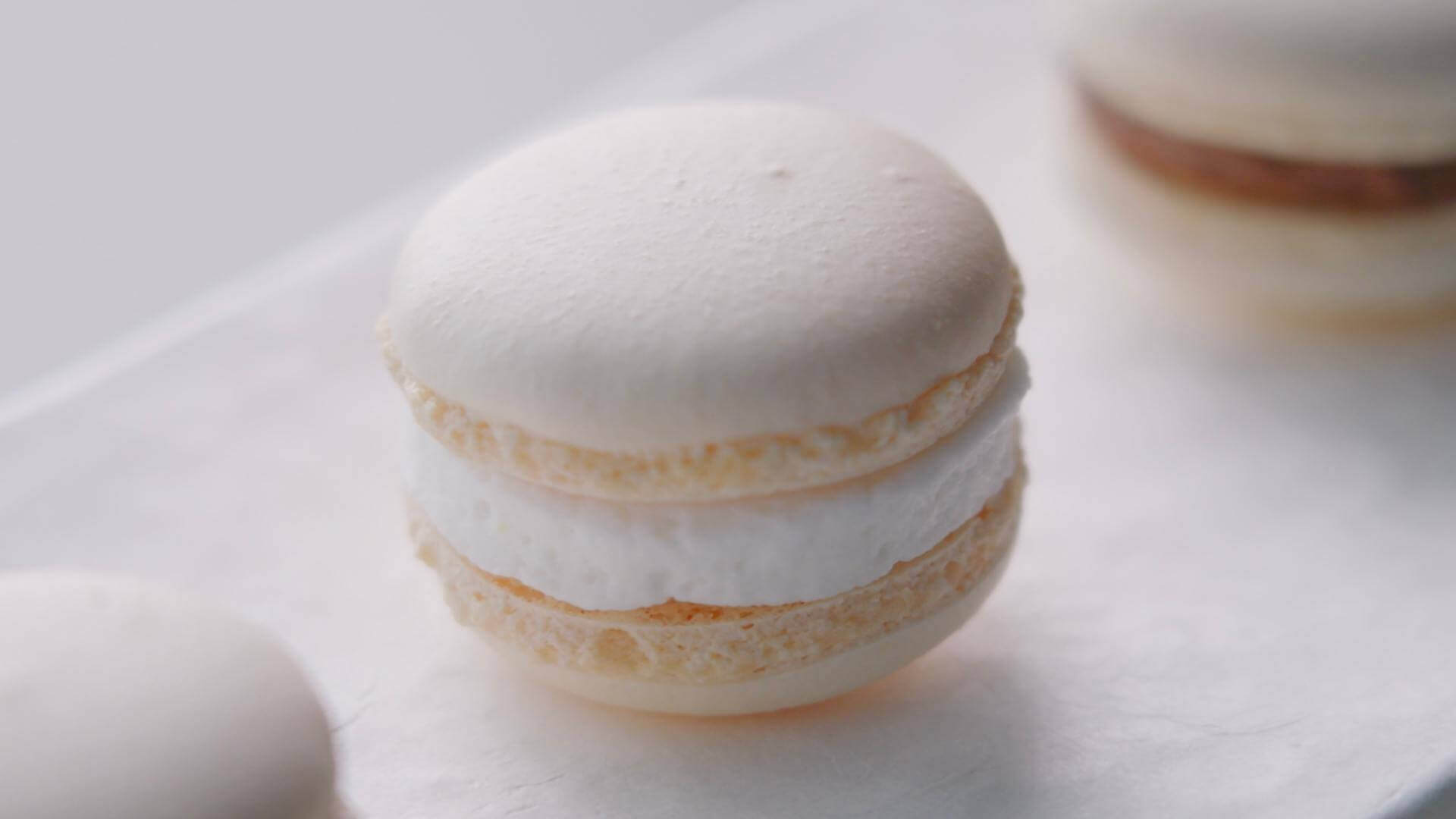
At the center of this collaboration was a monotone macaron with a visual blank slate, inviting people to experience flavor purely through aroma and memory. FabCafe Osaka has always created food and drink that speak for themselves, and this project brought that intuitive philosophy out from behind the cafe counter and straight into a major retailer’s sustainability mission.
Output
Silmé, a new macaron that challenges food stereotypes
Ask most people to picture a macaron, and they will likely imagine vivid colors and delicate decoration. We have grown used to choosing food and anticipating its taste with our eyes first.
Silmé, the team’s new macaron, intentionally disrupts that instinct. It taps into personal memories before a single word is spoken. By removing all color, visual bias fades away, allowing scent, the sense most deeply tied to memory and emotion, to guide the experience.
Approach
A hypothesis for the future of food, born from questioning the basics
Although many people might agree with the criticisms of food systems, there are very few people or communities who actually are able to change their routines to create a significant impact. However, this is a common issue for anyone working to create sustainable systems. With H2O facing this exact challenge, they found it difficult to attract indifferent shoppers and keep them engaged over time.
To inspire genuine action, the team knew they first had to spark curiosity through an approach focused on sensorially driven products that could also assist in storytelling. They designed a tasting experience that translates complex environmental issues into direct tastes and aromas.
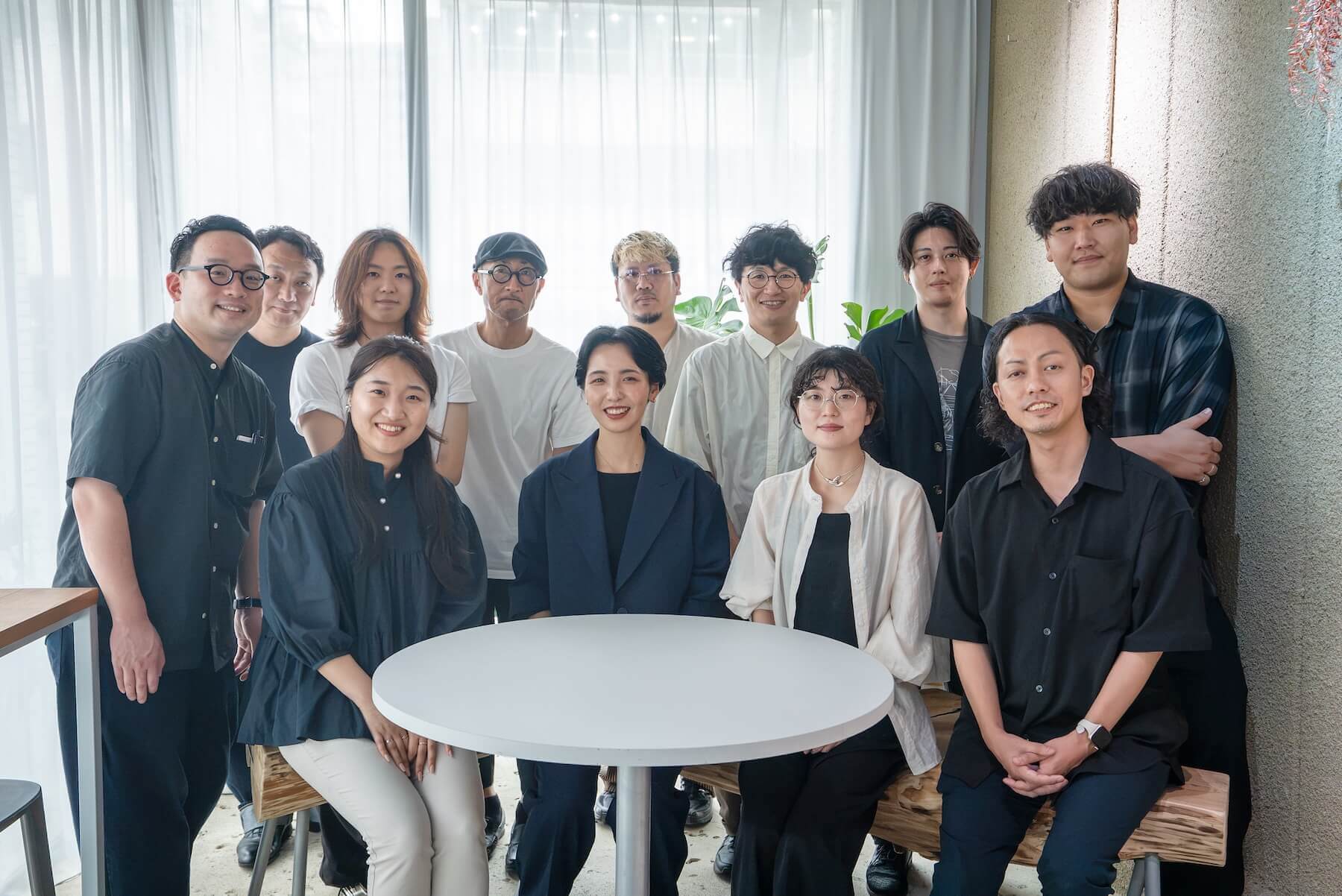
Throughout the development process, the team hosted regular dialogue sessions. Loftwork and H2O collaborated closely with a pastry chef, scent designers, and other specialists to bring these concepts to life. By delving into the cultural roots and history of food, the collaborators challenged one conventional assumption after another about how we eat and why.
Imagining the future through history, tasting the memory of a place
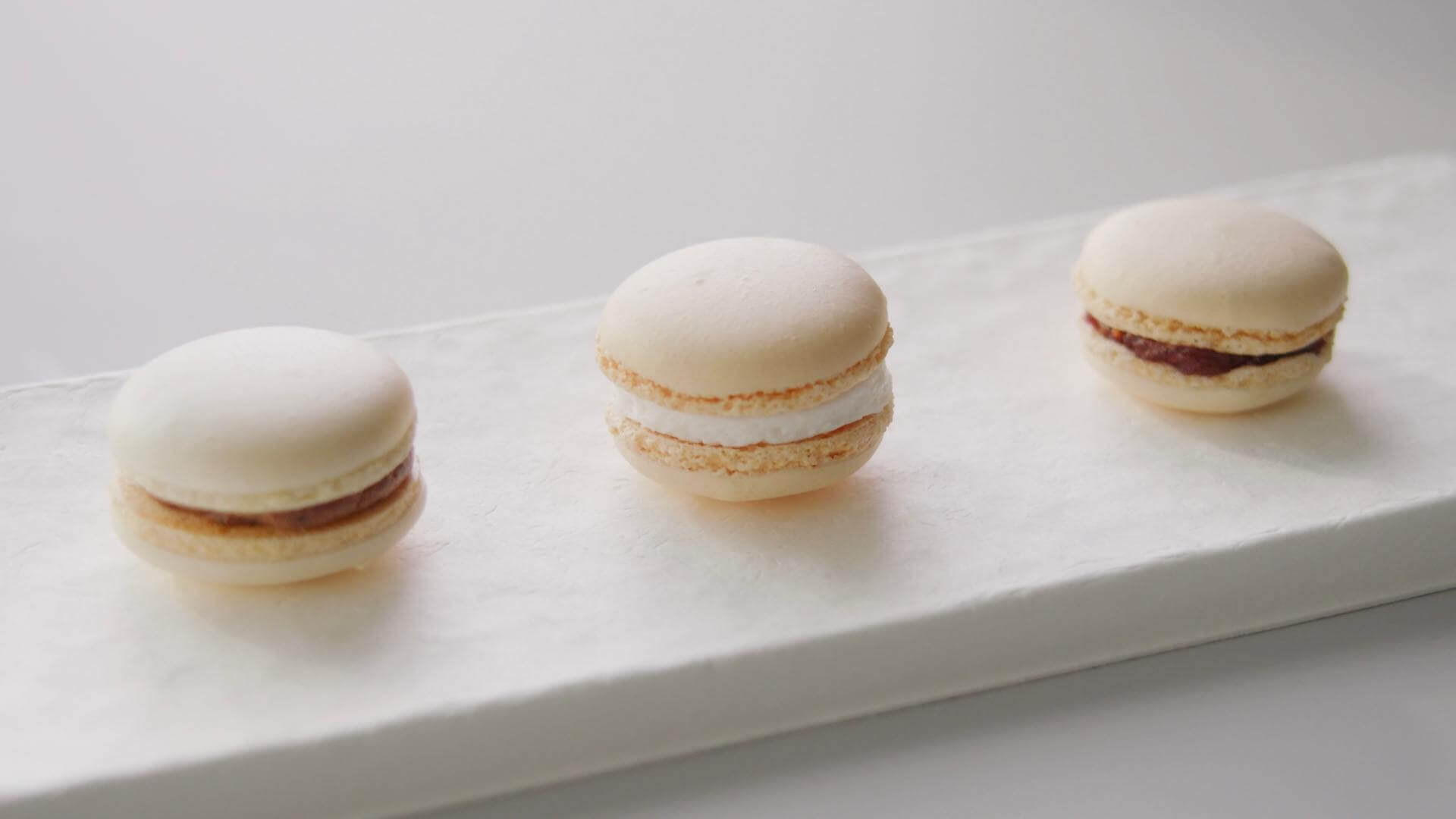
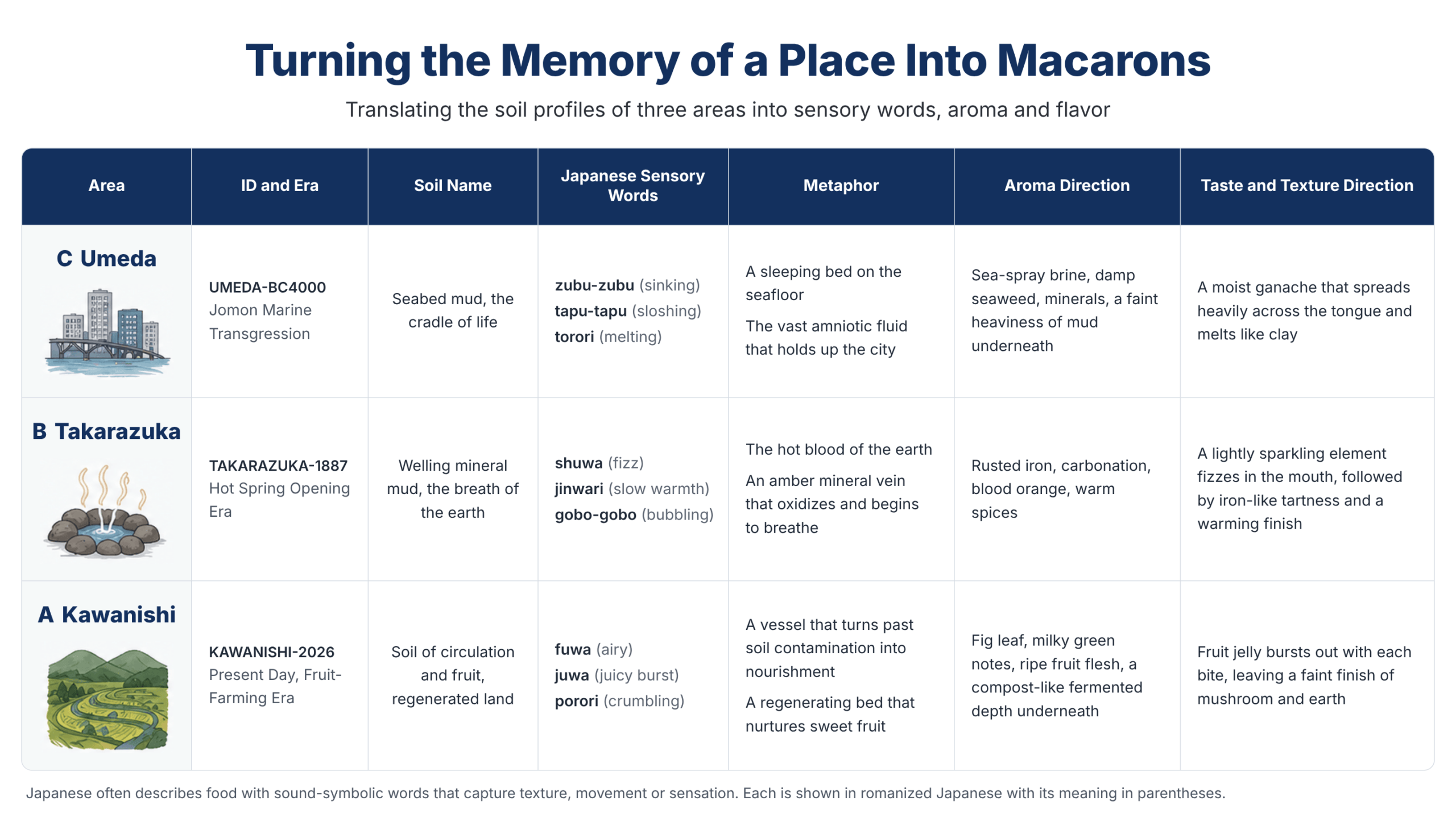
In developing a macaron conceived as a new symbol of food, the team chose a sense of place as its central theme. They selected three deeply meaningful areas along the Hankyu Railway line within Shokutowa’s operational footprint, namely Kawanishi, Takarazuka, and Umeda. Each macaron was paired with the defining historical era of its respective location. Rather than simply replicating regional specialties or local produce, the design translated the intangible essence of each place into layered tastes and aromas. Through this approach, the project aimed to give food deeper meaning, turning the act of eating into an opportunity to inspire fresh perspectives and genuine surprise.
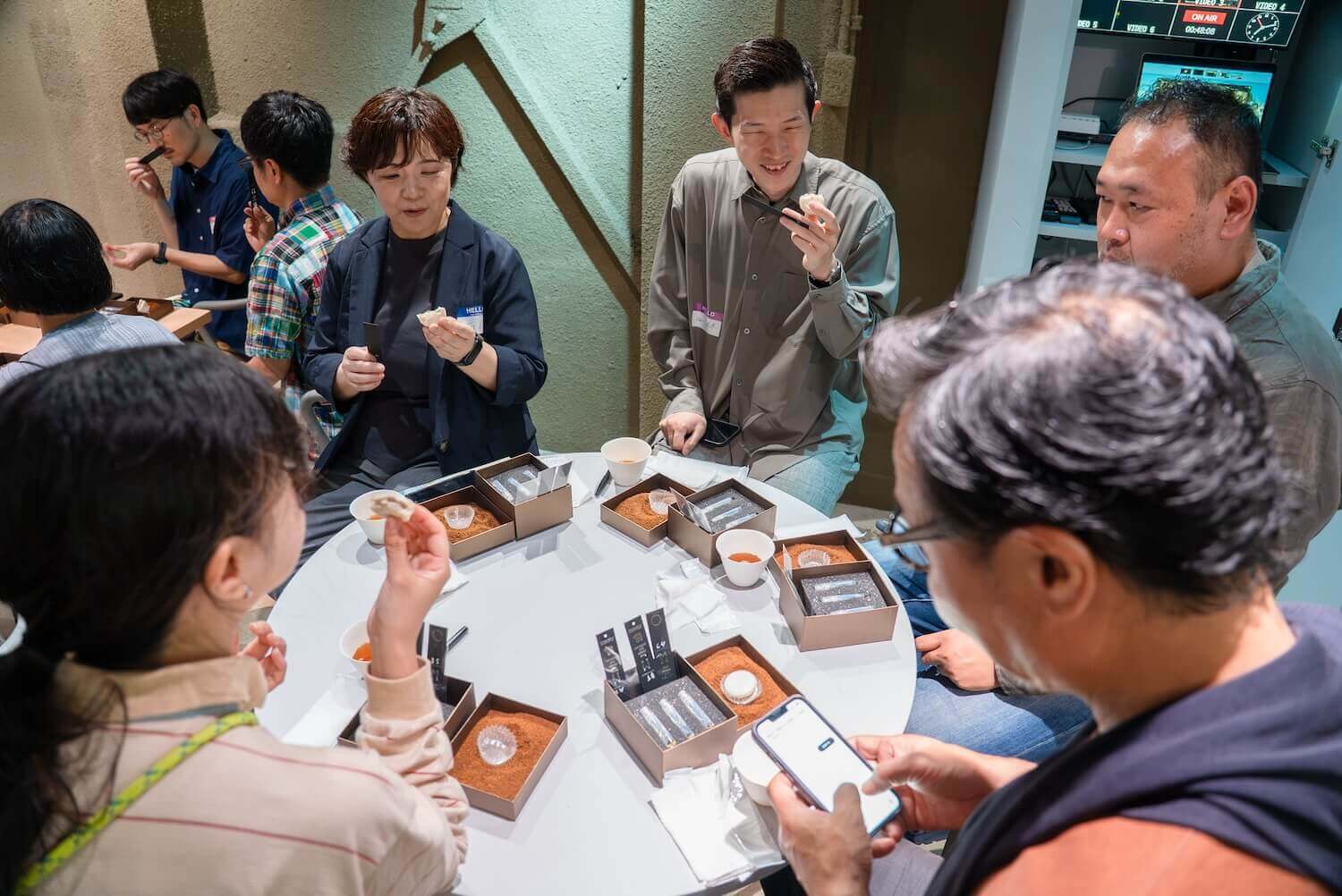
To validate the prototypes, the team hosted an interactive tasting session where thirty participants came together for a dialogue-driven food experience. Rather than learning about the regions through dry facts, this approach invited participants into an embodied sensory experience of aroma and taste, revealing just how much information exists within the act of eating. By capturing the participants’ genuine shifts in perception and candid reactions on the spot, the event served as a vital R&D milestone in preparing this future food concept for real-world implementation.
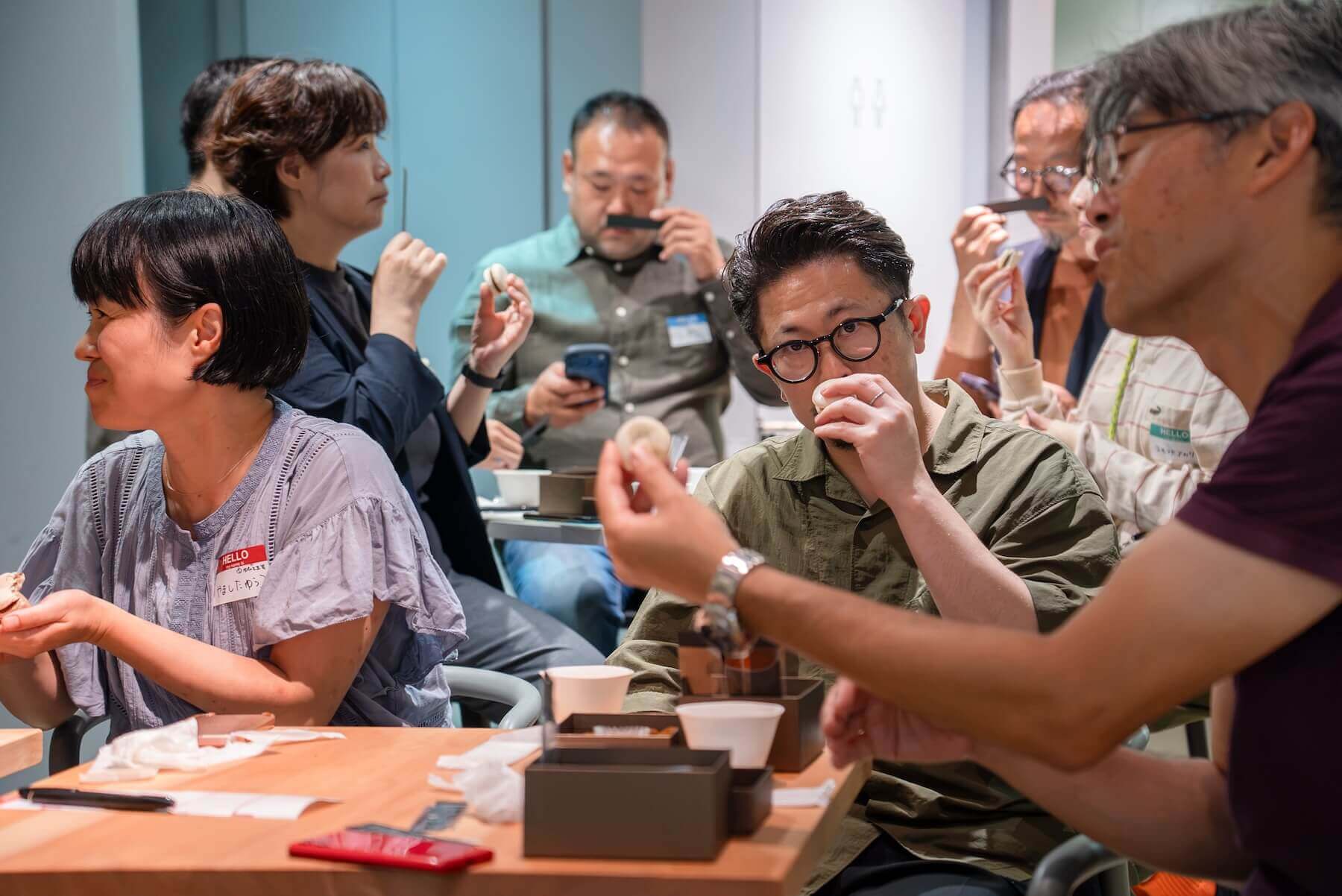
During the discussion, participants tied the macarons to personal memories and scenes. One said a macaron “smells like something a rhinoceros beetle would love.” Another recalled “the kimono at the back of my grandmother’s dresser.”
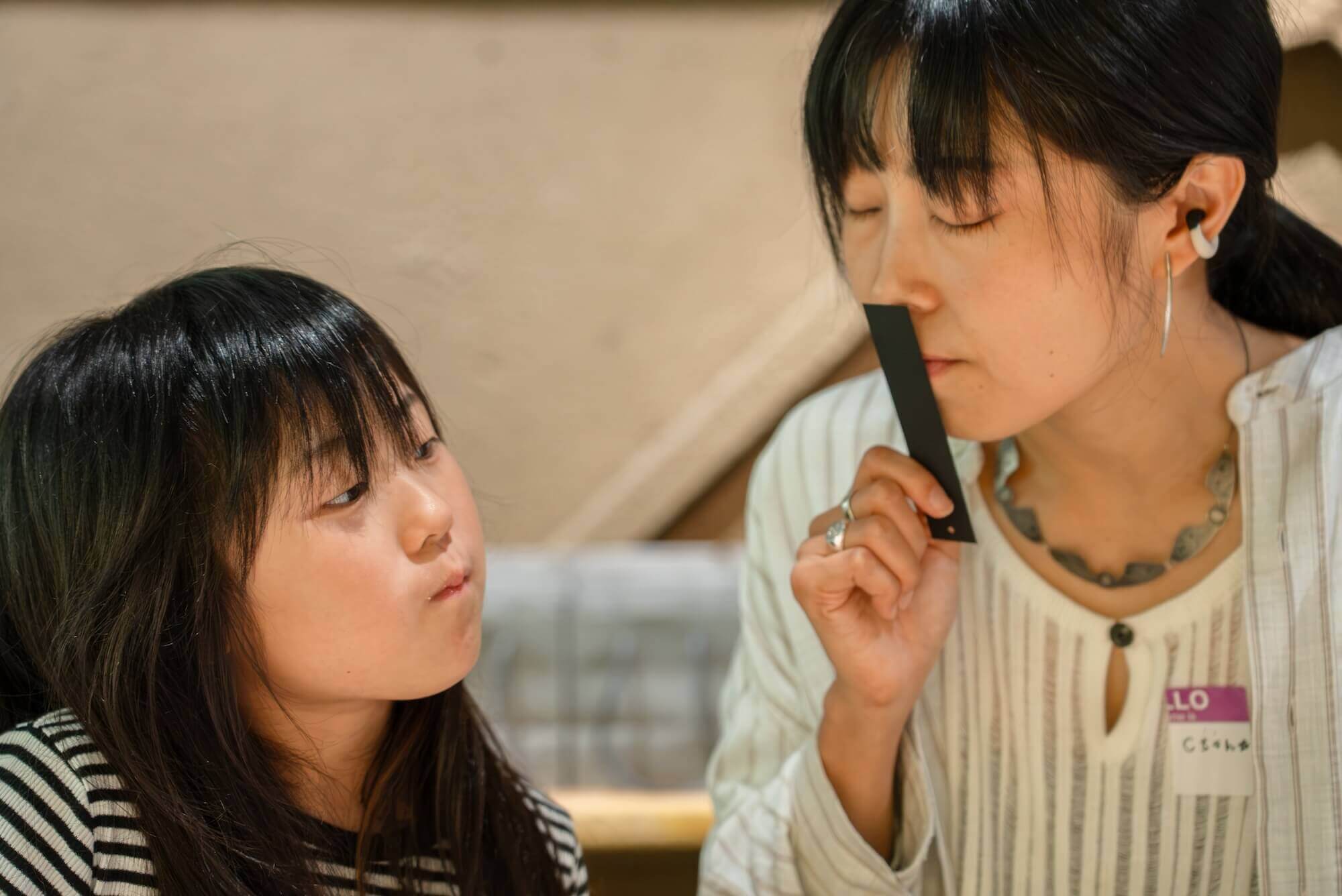
During the discussion, participants tied the macarons to personal memories and scenes. One said a macaron “smells like something a rhinoceros beetle would love.” Another recalled “the kimono at the back of my grandmother’s dresser.”
Tasting Event, “Colorless Macaron”
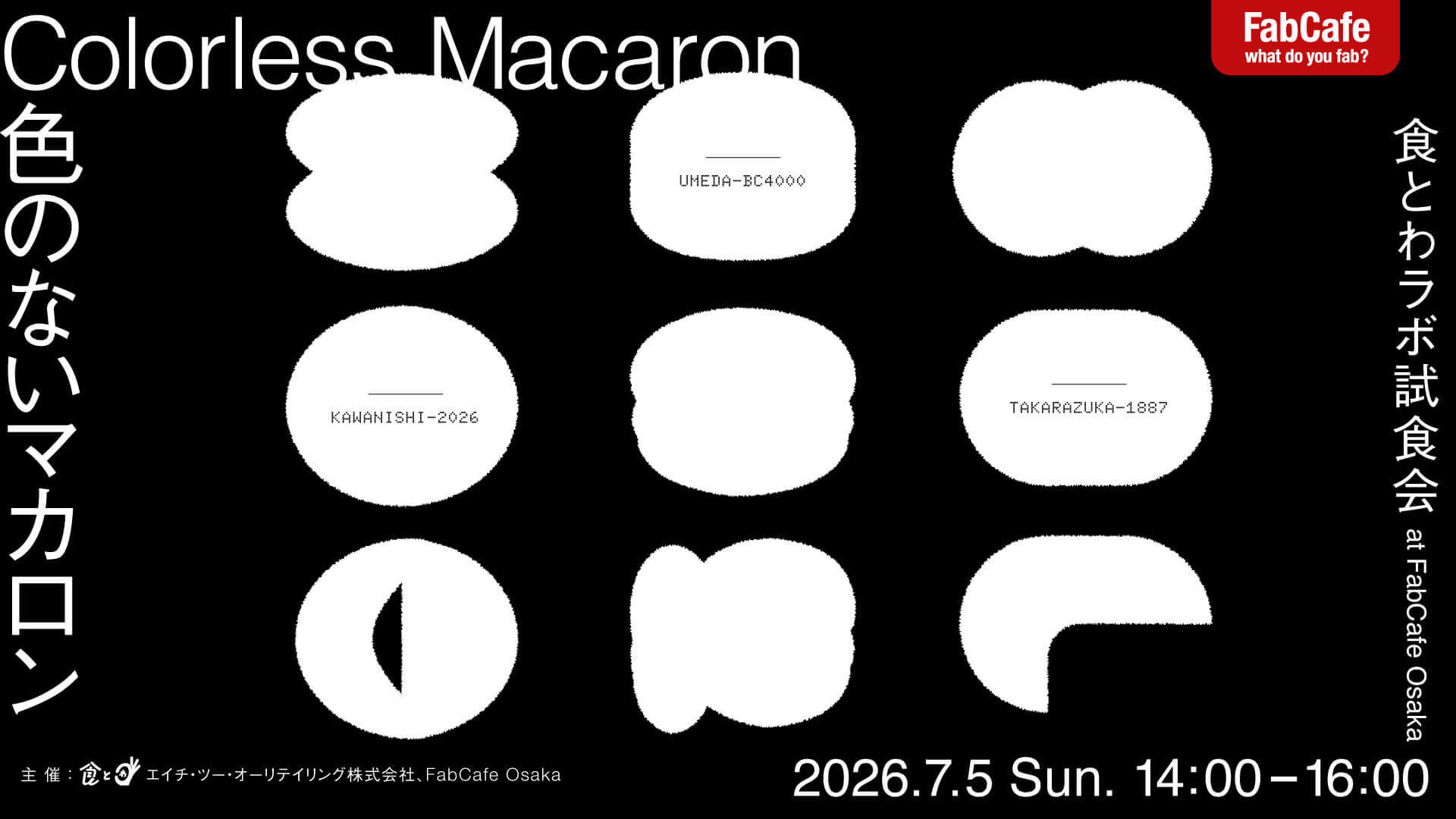
On Sunday, July 5, 2026, FabCafe Osaka hosted the tasting event “Colorless Macaron,” where participants tasted three macarons stripped of color and used scent, memory and imagination to rethink how they eat. What are people really tasting? Guests explored the future of food by eating.
Outcome
Seeing food in higher resolution changes how people think
Participants walked away with a fundamentally new perspective. “I was surprised by how much information exists within the simple act of eating,” one noted. Another reflected, “It made me realize how mindlessly I usually consume food. Shifting between eating on autopilot and truly paying attention is a rich experience on its own.”
These reactions confirmed the exact shift the team had worked toward, proving that when people perceive more depth in every bite, their mindset begins to evolve. The feedback from the July tasting indicates that an unexpected entry point can transform routine shopping into a conscious choice, and that enough of those intentional moments can eventually spark a wider movement.
Credit
Project Details
Client: H2O Retailing Corporation
Project period: April 15 to July 14, 2026
Team
- Loftwork Inc.
- Project management and creative direction: Shoya Maruyama
- Creative direction: Takumi Fukuda, Akihiro Ishihara
- Producer: Kazuto Kojima (Hamo)
- Production partners
- Scent development: Kohei Uemura, Hina Kobayashi, Yuki Koyama, Yoshiki Okae (MAZERUNAKIKEN)
- Macaron development: Misaki Hataya (dessert restaurant “souzou”)
Written and edited by: Itsuha Hayama (loftwork.com editorial team)
Translated by: Pinhua Chen
Member

Voice
“Whenever we talk about our work, we try to keep it as simple and accessible as possible. Even so, it often felt like something was missing because some emotions just cannot be captured in words, and we needed a genuine hook to get people to listen in the first place. Seeing the reactions to the ‘Colorless Macaron’ tasting reaffirmed that doing something ‘good for society’ is not enough on its own. You have to bring in an element of surprise and delight. It was fascinating to see how a single scent or flavor can evoke completely different memories for everyone, and how meaningful it is to turn those personal experiences into words and visuals.”
Manager, Sustainability Promotion Office, H2O Retailing Corporation
“When considering how to engage people who are not usually interested in sustainability, we realized it was not about changing our message, but rather changing how people enter the conversation. We did not want the experience to stop at ‘That was delicious.’ We wanted that taste to spark curiosity about why it was good. Food acts as a universal medium, allowing anyone who might otherwise feel intimidated by these topics to step in simply because something looks appetizing. That was the vision behind this project.”
Takumi Fukuda, Cafe Manager, FabCafe Osaka
Recommended
-
2026.07.16
Building "Fukuoka, City of Art" through a public-private partnership
-
2026.05.01
Crafting a vision for people and nature to coexist Osaka Morinomiya Redevelopment Project
-
2026.01.20
From 2050 to now: Transforming future research into immersive experiences at The Moonshot Park at Expo 2025 Osaka
-

2025.11.18
From scaffolding rentals to a value-driven company: A six-year transformation across 15 projects
-
2025.10.01
Loftwork contributes to the new ComoNe innovation space in the Tokai Region
-
2025.02.04
Exploring Creative Iterators in Japan’s Local Regions From Interviews to Editing in "AAA City Art & Lifestyle Journal Vol.8" Cover Story