

Crafting a vision for people and nature to coexist
Osaka Morinomiya Redevelopment Project
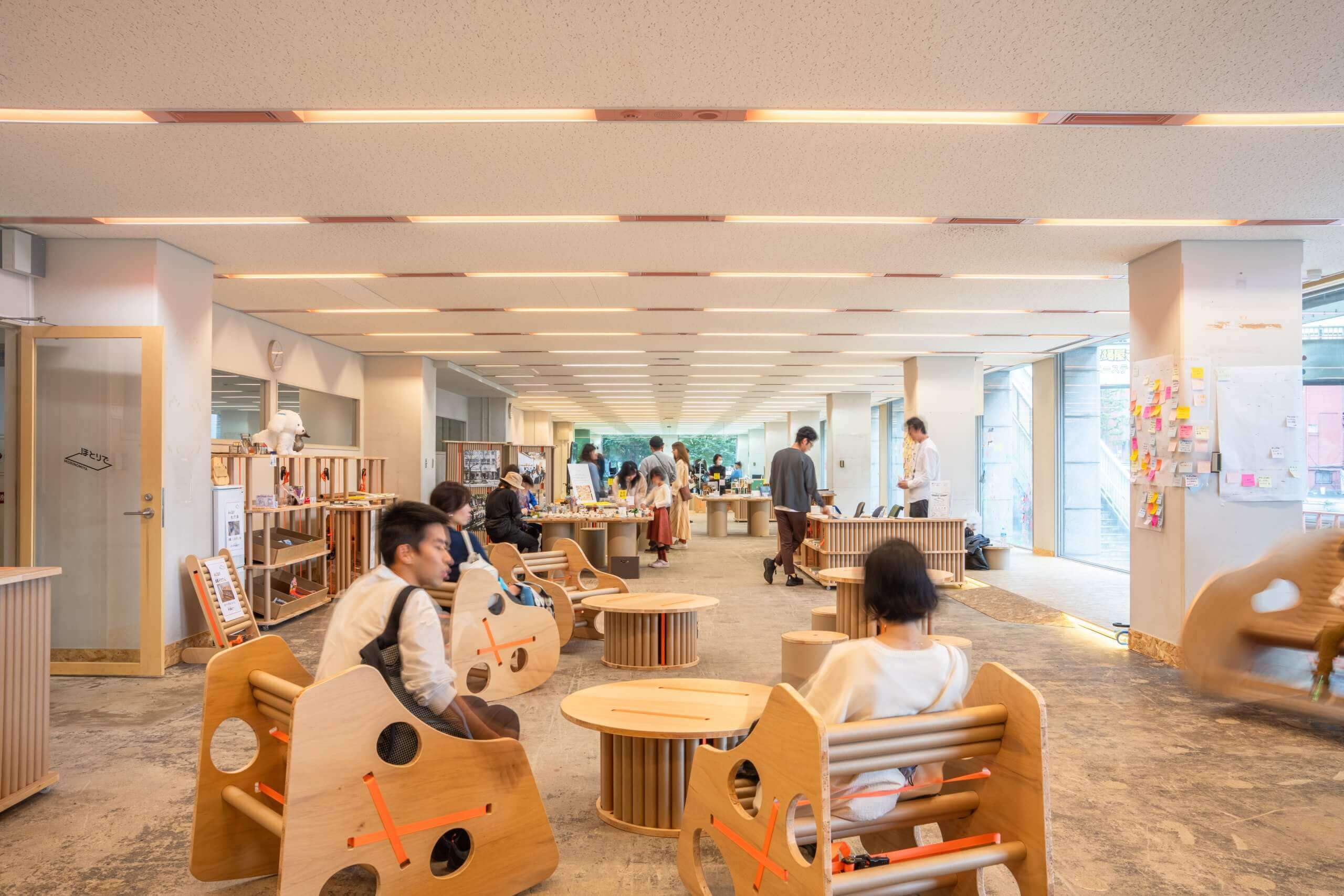
Urban Renaissance Agency (UR) and Osaka Metropolitan University (OMU) opened Hotoride, an experimental field for living and learning, on the first floor of the UR Morinomiya Building in Joto Ward, Osaka, Japan.
Loftwork is leading the overall program design and implementation for the project, which explores how the UR Morinomiya Building can support community development. The team will support the project over three years.
In 2025, Loftwork developed the activity direction of redesigning urban richness through coexistence. Through five input sessions and fieldwork programs with a wide range of guests, the project is building toward hands-on programs in 2026.
Outline
A major redevelopment project in historic Morinomiya
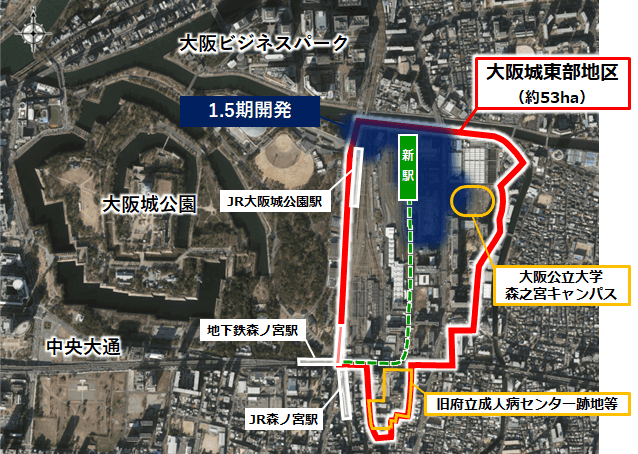
The eastern area of Osaka Castle is undergoing major redevelopment ahead of its planned opening in spring 2028. Osaka Metropolitan University will open a new campus in September 2025, and Osaka Metro is preparing a new station. The city is entering a period of fast change.
This land has carried many layers of history. It was once part of the sea. It later became a Jomon forest, a military arsenal and a postwar industrial area. Across these eras, people and nature have shaped each other in many ways.
How can a new hub for living innovation be created on such a site?
To explore this question, the Urban Renaissance Agency partnered with Osaka Metropolitan University. In October 2025, they opened Hotoride on the first floor of the UR Morinomiya Building.
Designing a place that can coexist with the ecosystem
Loftwork is part of a joint venture with UR Linkage, Katsumata Maruyama Architects, ondesign partners and Daiwa Industry. Together, the group signed a partnership agreement with UR for the use of the UR Morinomiya Building as a space that contributes to community development.
Over three years, Loftwork will lead the overall program design and implementation.
In the first year, the team invited a wide range of experts to join fieldwork programs and input sessions. Based on those activities, Loftwork put the direction for the following years into words and shared it through the website.
Using this direction as a foundation, Loftwork will work with residents, researchers, students, companies and creators. Together, they will explore the character of the land through technology and science. The project will support a broader idea of richness, one that is not measured only by economic efficiency, and will do so from a medium to long term perspective.
Output
A website where visitors can freely explore Hotoride
The team launched a website as the activity hub for Hotoride. It presents the facility overview, activity direction, the history of Morinomiya, hypotheses and perspectives through interactive content.
Hotoride official website
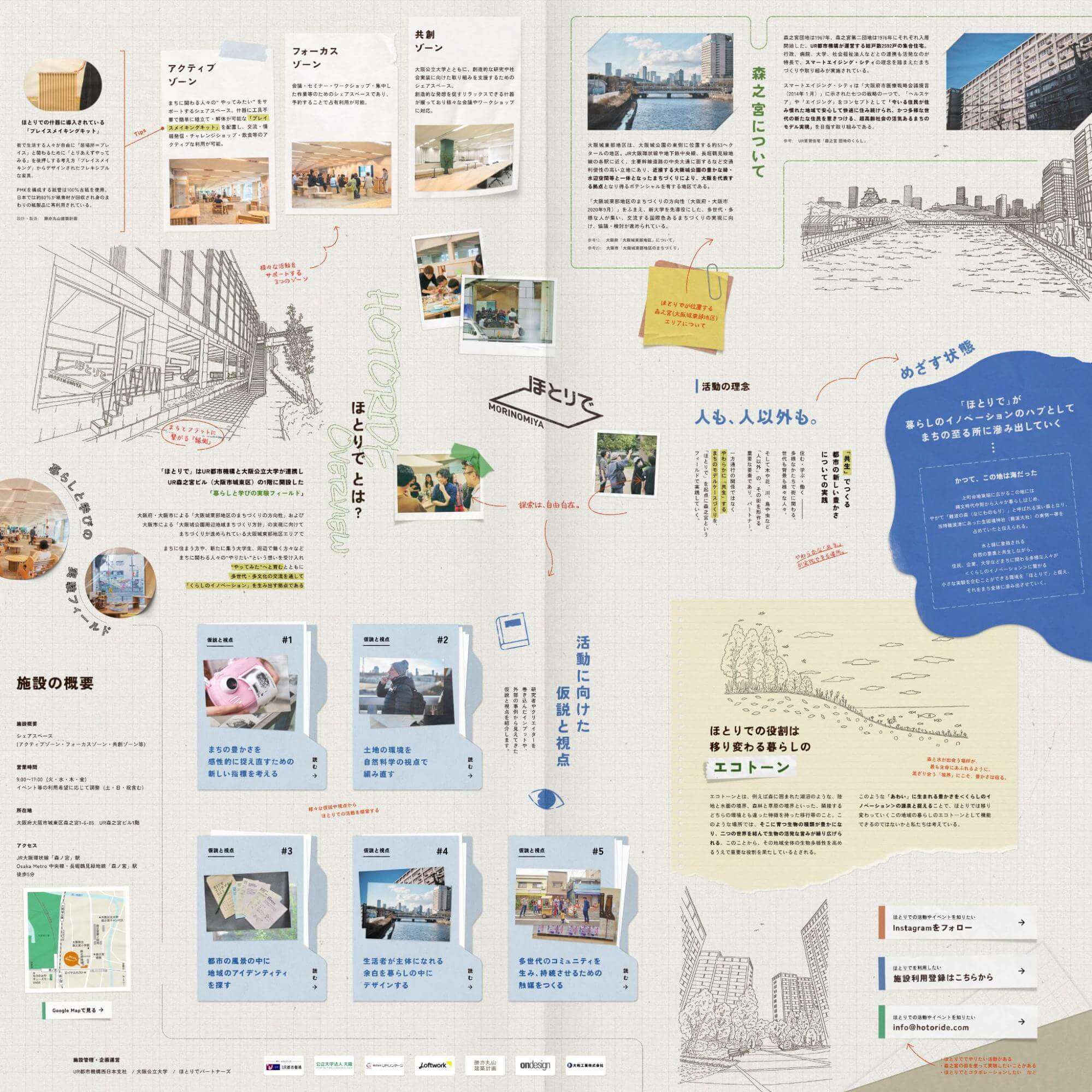
Putting Hotoride’s program concept into words
One of the core outputs in 2025 was the program concept of redesigning urban richness through coexistence.
This direction defines the concept of Hotoride as a place for practicing gentle coexistence. This does not only mean coexistence among people. It also includes environmental elements such as greenery, soil and water.
Approach
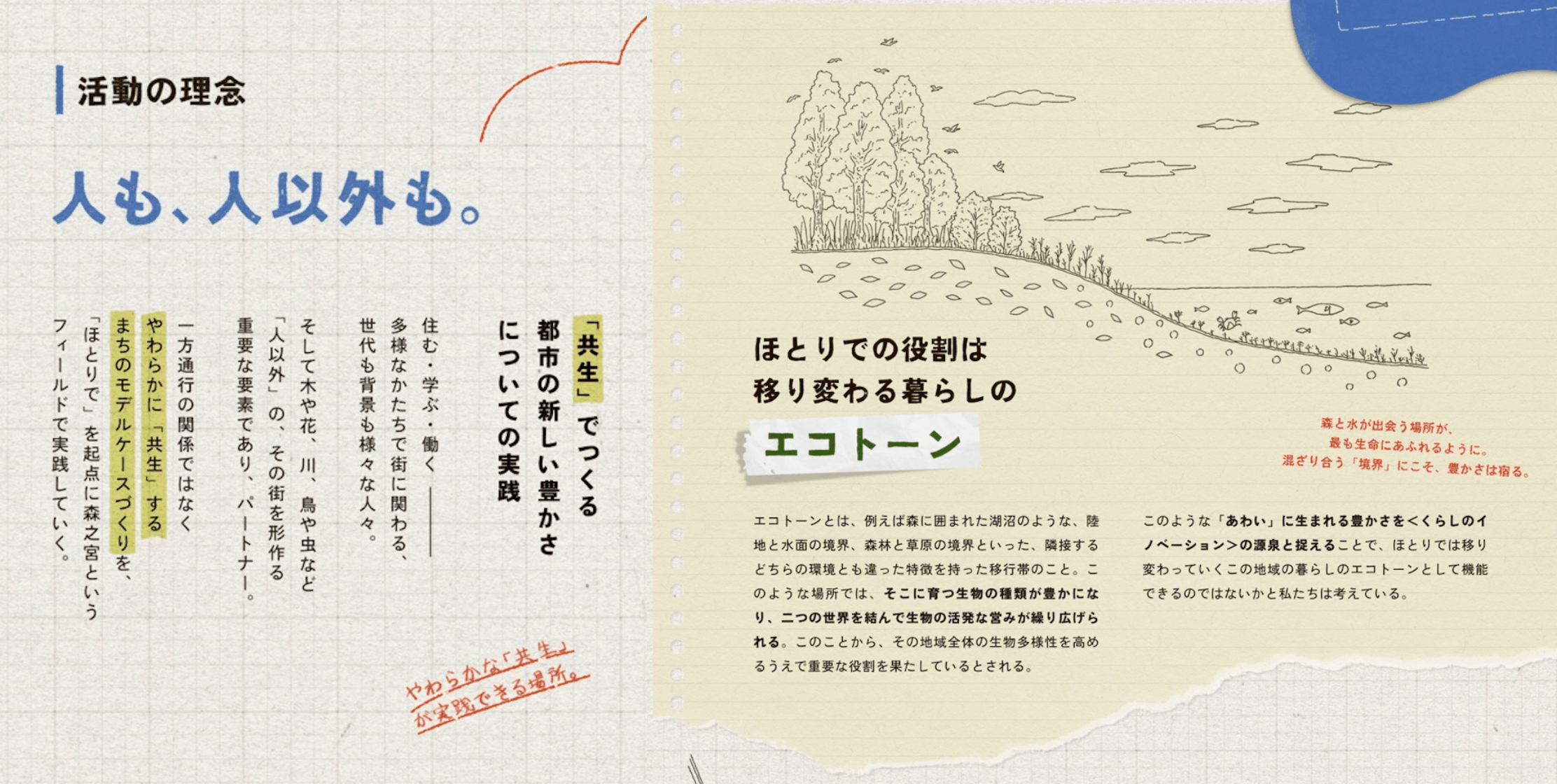
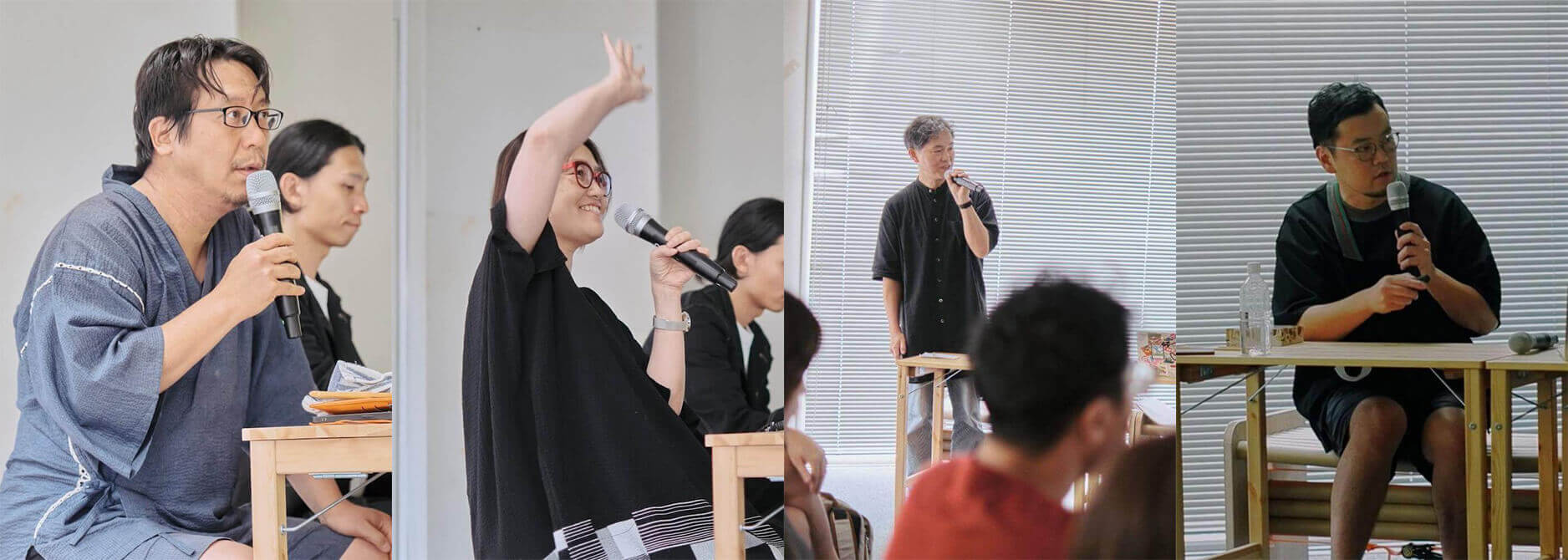
Five input sessions across fields and nationalities
To design the Hotoride program, Loftwork began holding input sessions and fieldwork before the opening.
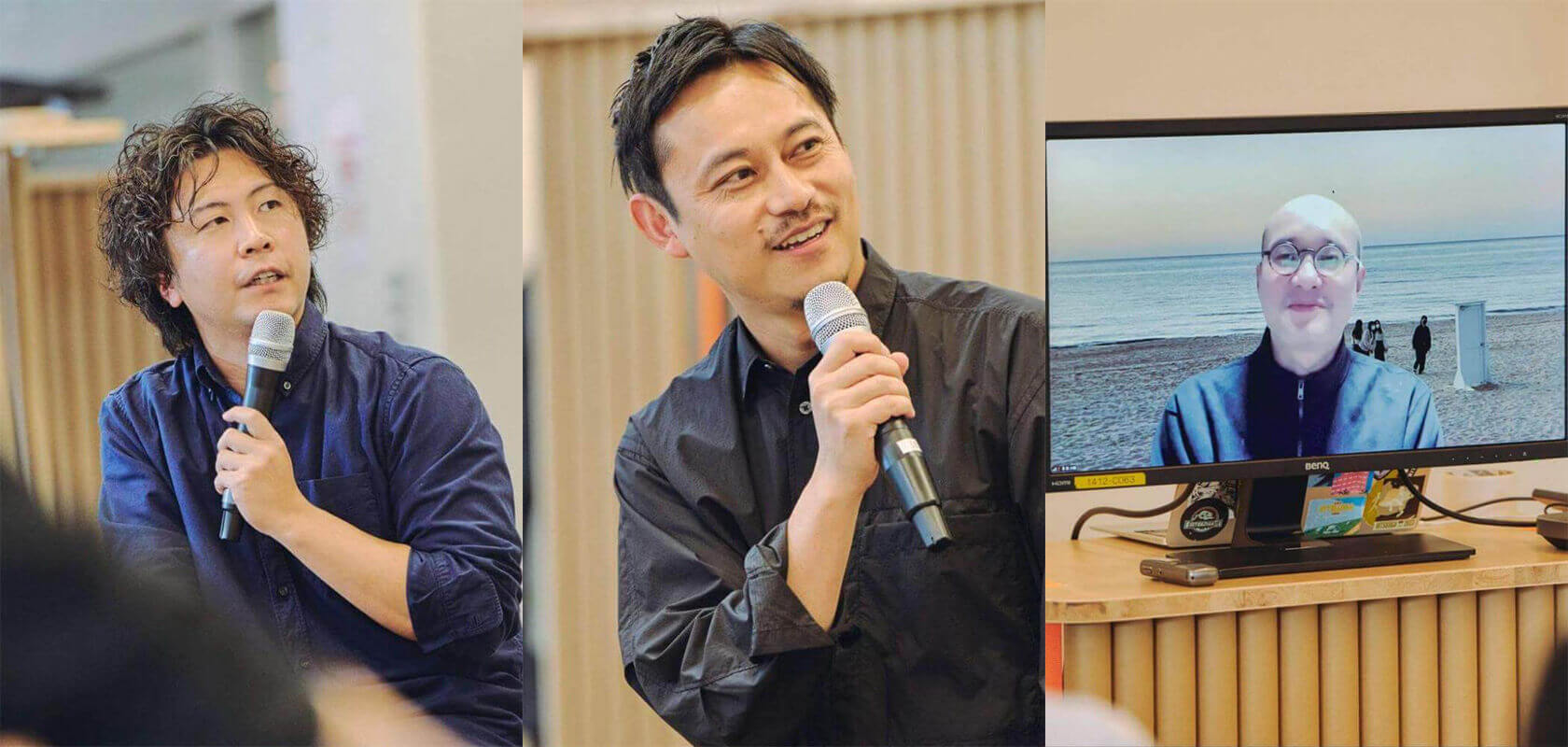
The team invited 11 guests from different fields and countries. Their areas of work included ethnography, landscape ecology, urban design, ecology, material research, medicine, food and green space planning.
Through dialogue with these guests, the team looked again at the character and vitality unique to this land from multiple angles. These conversations formed the core structure of the activity direction.
The guest lineup was intentionally diverse. It included doctors, designers, paleobotanists, cultural anthropologists and brewers. By layering these different perspectives, the project brought what makes this place distinctly alive into clearer view These insights will feed directly into the hands-on programs planned for 2026.
Vol.1 What urban design can coexist with ecosystems
Guests
- Atsuro Morita, professor at the Graduate School of Human Sciences, Osaka University, and representative of Ethnography Lab Osaka
- Brian McGrath, professor of urban design at Parsons School of Design
- Danai Thaitakoo, landscape architect and landscape ecologist at King Mongkut’s University of Technology Thonburi
- Mariko Sugita, co-founder of For Cities
Themes
- Ethnography
- Urban design
- Landscape ecology
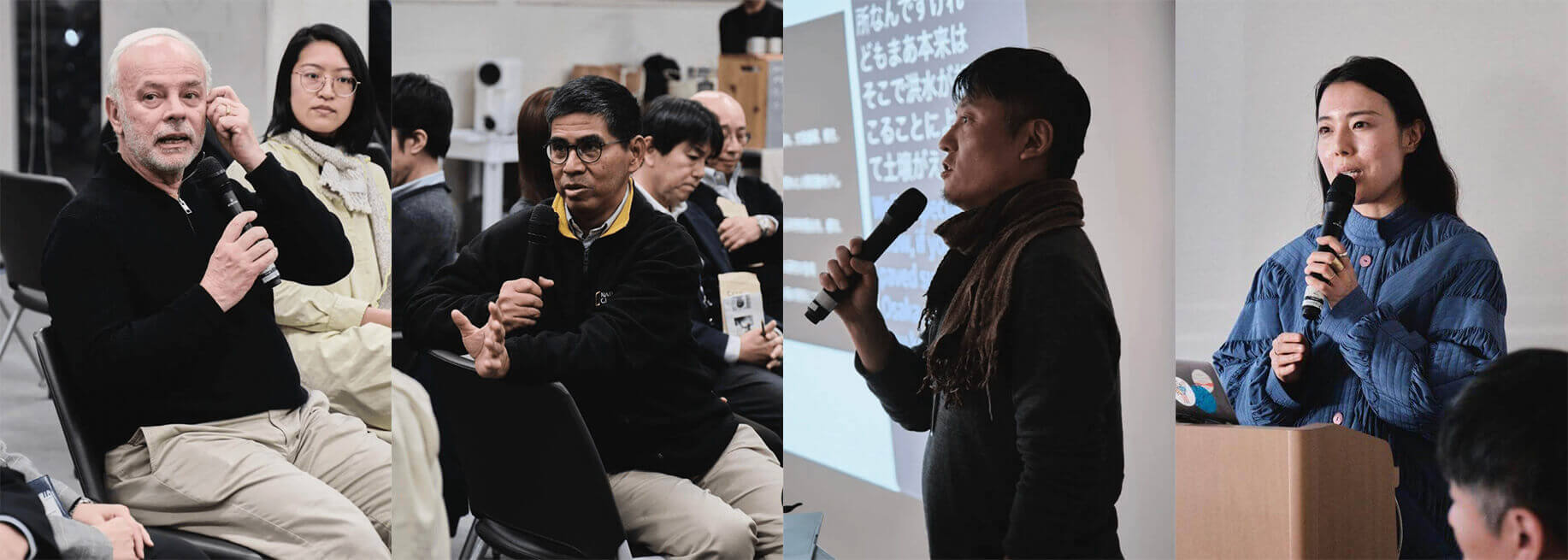
Vol.2 Designing motivation for sustainable community development
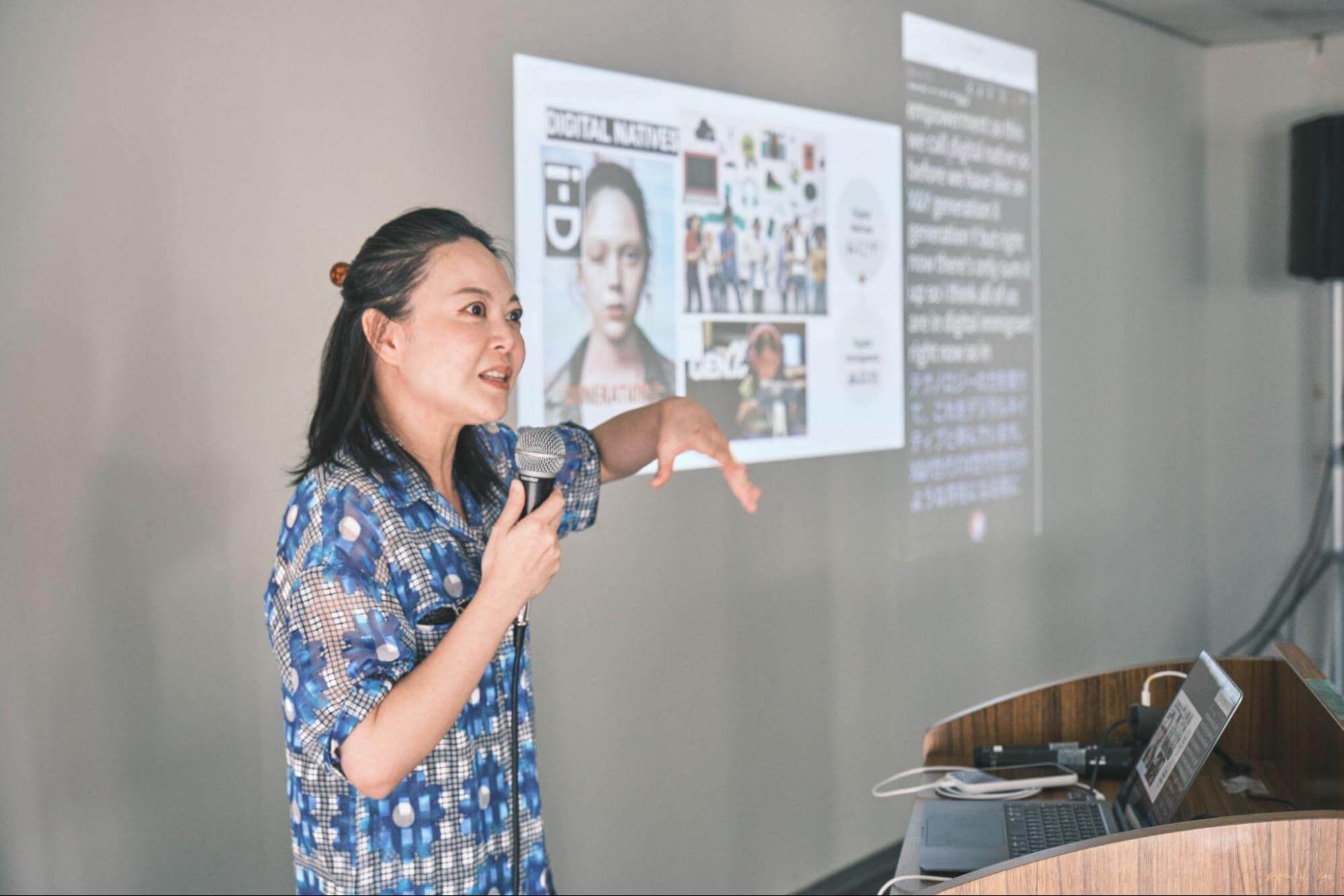
Guest
- Kalaya Kovidvisith, co-founder of FabCafe Bangkok
Theme
- Civic participation in community development in Thailand
Vol.3 Four perspectives for engaging with the city
Guests
- Ken Mutsu, president of Osaka Machi Aruki University and urban walk producer
- Yoko Sugimoto, CEO of Y Cube Lab and urban design practitioner
- Takeshi Ise, associate professor at the Field Science Education and Research Center, Kyoto University
- Yuma Kano, creative director, designer, and founder of the studio NOU
Themes
- Culture
- Waterfronts and cities
- Ecological science
- Material design
Vol.4 Morinomiya earth dive, past, present and future of the vegetation environment
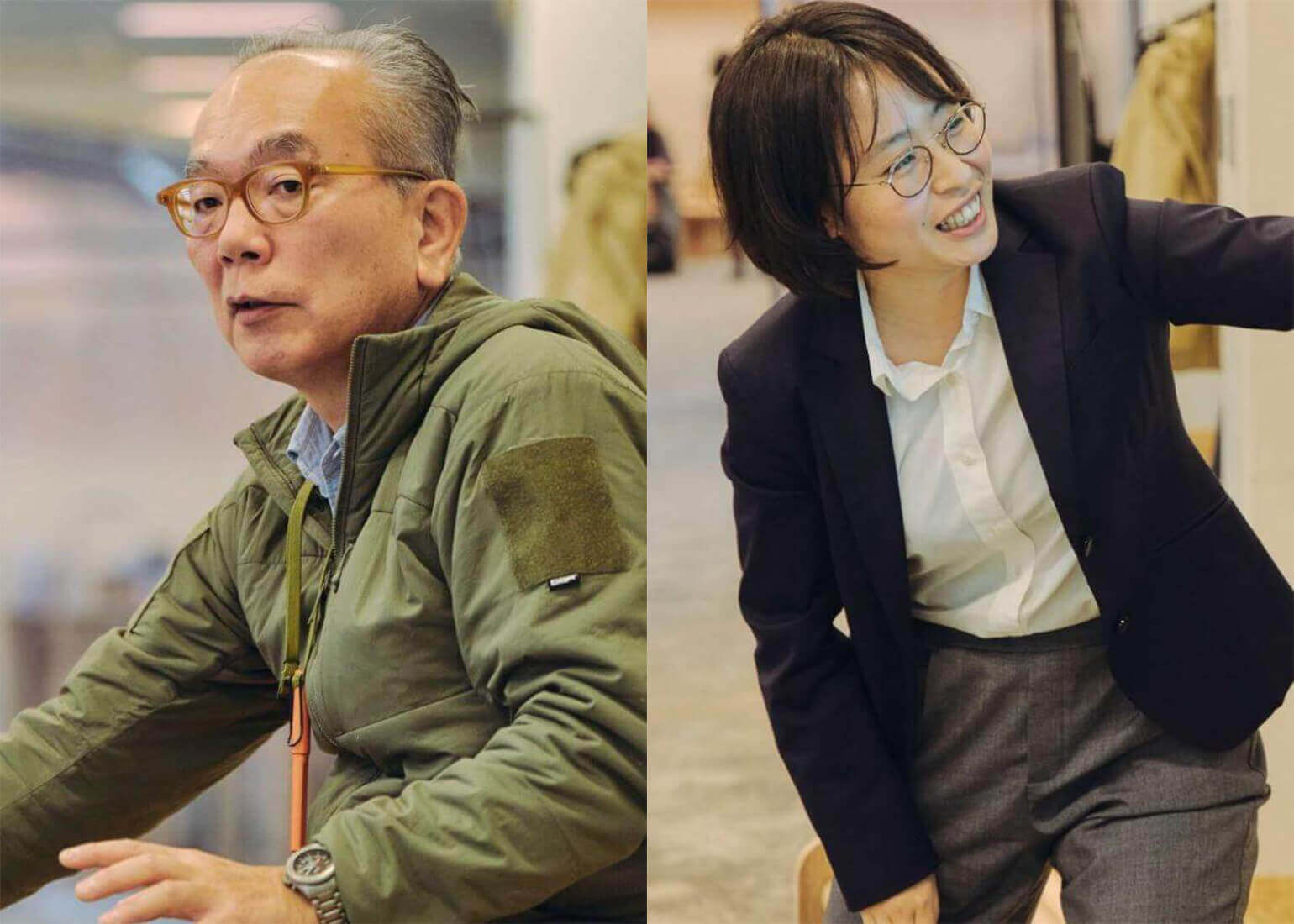
Guests
- Yuya Tsujimoto, researcher in paleobotany and paleoecology at Paleo Labo
- Kaoru Matsuo, associate professor in the Division of Environmental Sciences and Technology for Green Space, Graduate School of Agriculture, Osaka Metropolitan University
Themes
- Paleobotany
- Green space planning and urban environments
Vol.5 Food, medicine and nature, learning from catalysts for lasting local coexistence
Guests
- Satoru Suzuki, operator of Nakatsu Brewery at Toho Leo
- Daisuke Son, family physician, general practitioner, and advocate of cultural prescribing
- Hideaki Watanabe, co-founder of NEWPARK and Comoris DAO
Themes
- Food and community
- Community medicine and cultural prescribing
- Urban forests and coexistence with nature
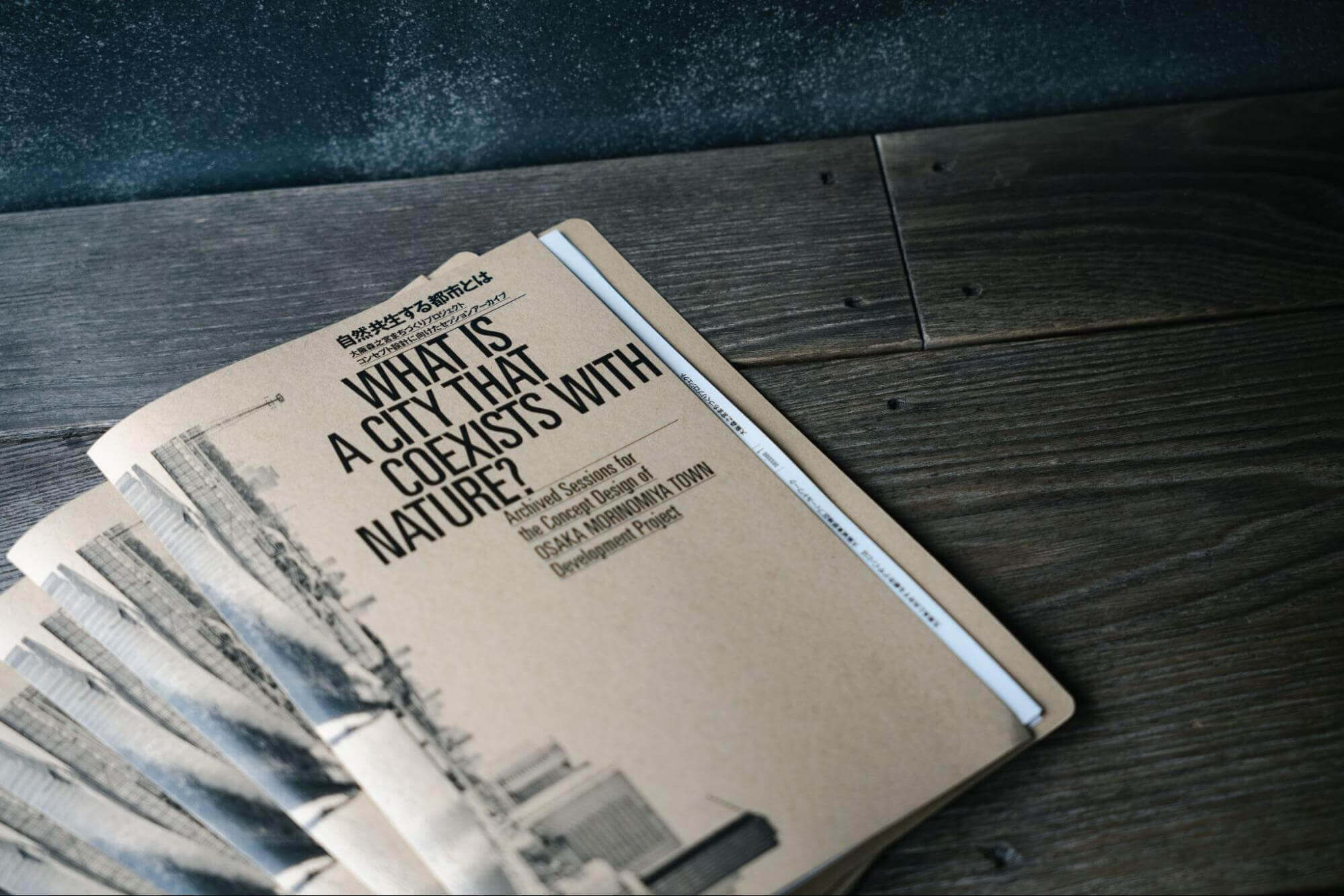
A booklet of session reports
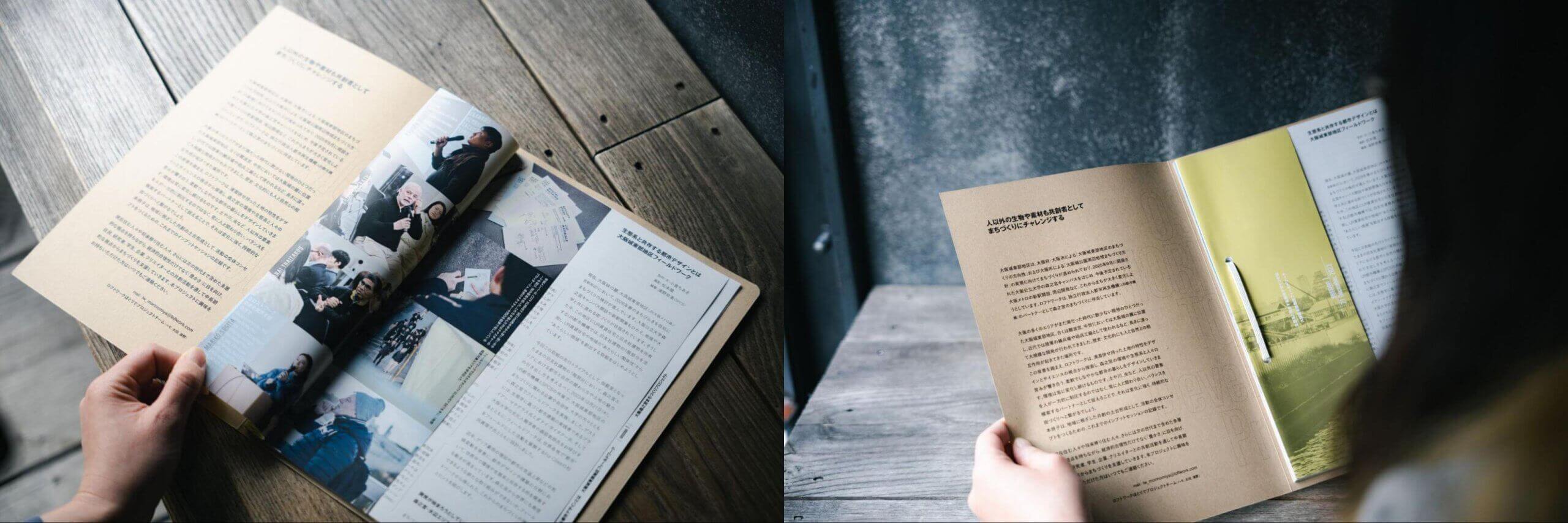
Video from session vol. 3 Four perspectives for engaging with the city
Developing a program direction: Redesigning urban richness through coexistence
After several input sessions and fieldwork programs, the team developed its 2025 program direction: “Redesigning urban richness through coexistence.”
This direction defines Hotoride as a place where coexistence extends beyond human relationships to include the living environment itself: greenery, soil, and water.
On the Hotoride website, this direction is shared through five hypotheses and perspectives. Each one begins with practices and insights encountered through the sessions and fieldwork. Together, they give shape to the questions Loftwork will continue to explore in Morinomiya.
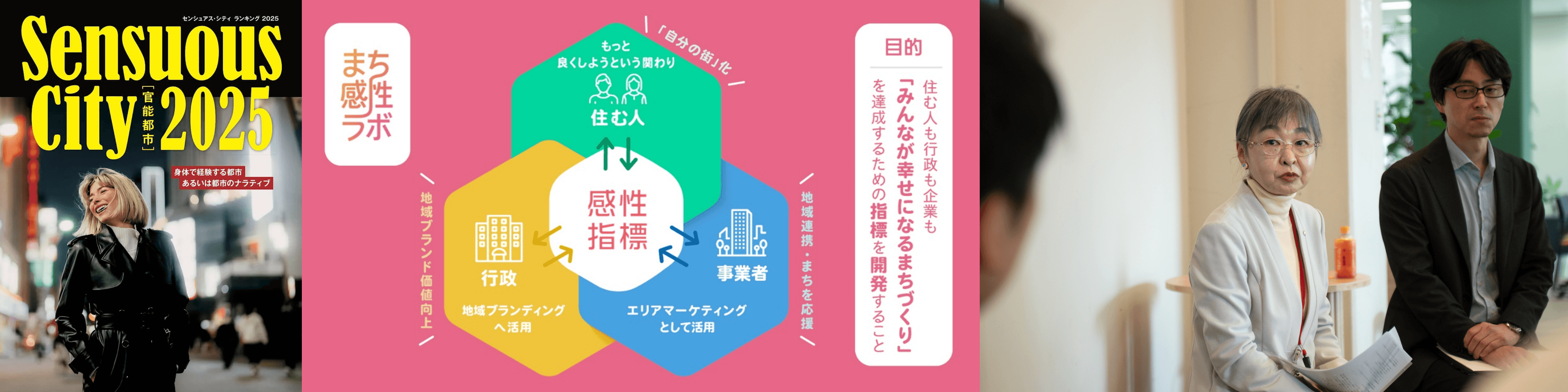
#1 Rethinking indicators for urban richness through sensory experience
This perspective explores how cities can be evaluated through values beyond economic efficiency and convenience.
It asks how the physical feeling of “this place somehow feels good” can be translated into language and indicators. In doing so, it considers how the richness of a city can be understood through the senses.
It also raises another question: if a city offers many ways for people to engage with it, can it better support a wider range of people and their sense of purpose?
- Turning the feeling of “a city that somehow feels good” into indicators
- Updating the business perspective on cities through sensory thinking
- Measuring the diversity of ways to engage, rather than the density of connections or involvement
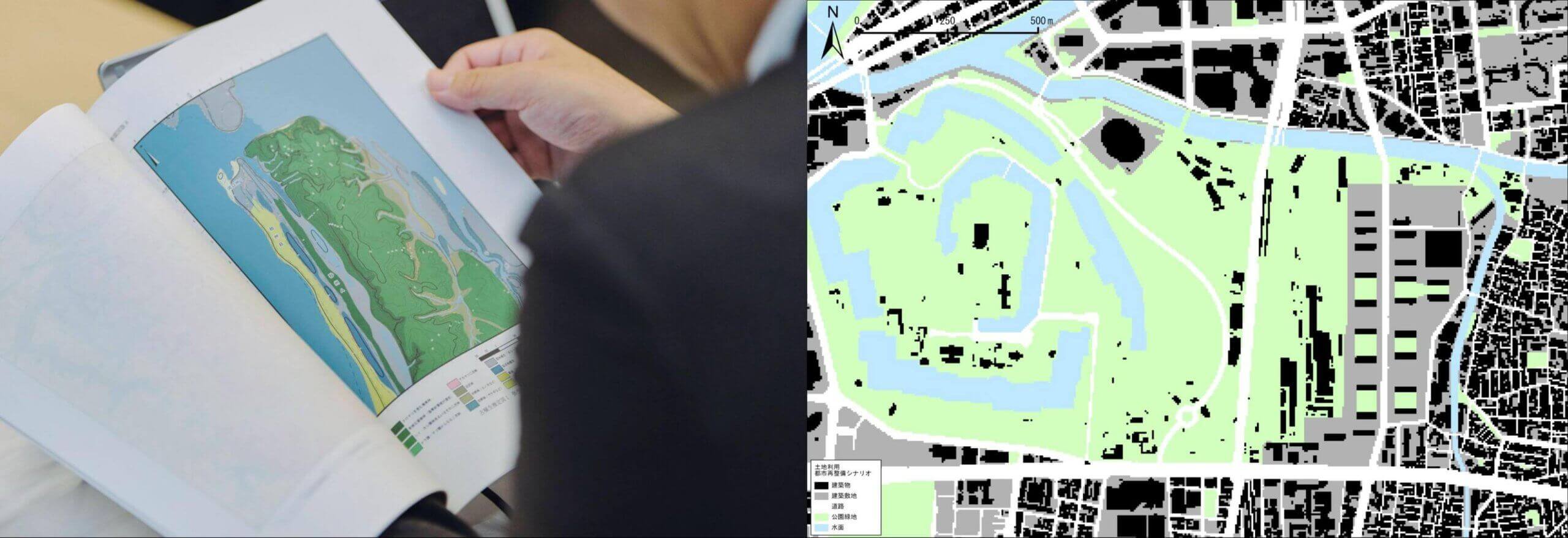
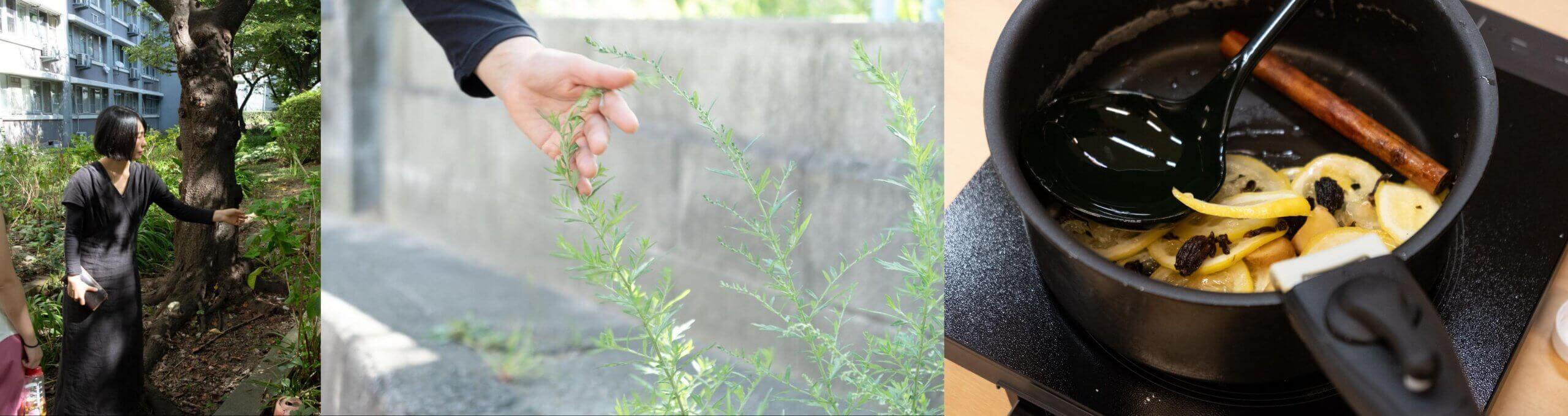
#2 Reweaving the local environment through natural science
Morinomiya’s environment was formed over a long period through the interaction between people and nature.
This perspective reads the land through knowledge from paleobotany and green space engineering. It shows how past landforms and vegetation can become indicators for future landscape design.
It also introduces efforts to connect scientific data, such as wind corridors, with the lived experience of everyday life.
- Learning from past landforms and vegetation to shape future environments
- Connecting scientific data with everyday experience
- Bringing nature closer to support flexible urban design
#3 Finding local identity in the urban landscape
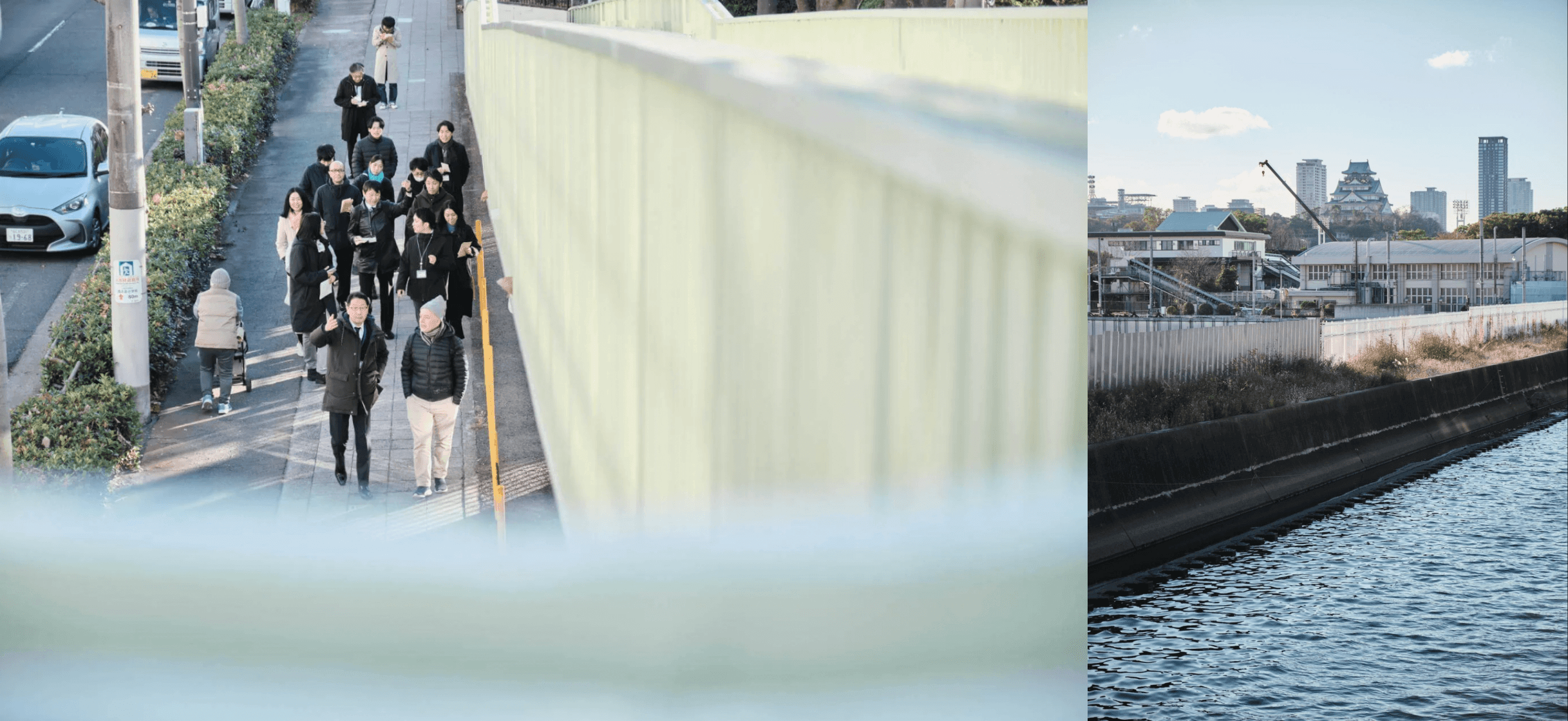
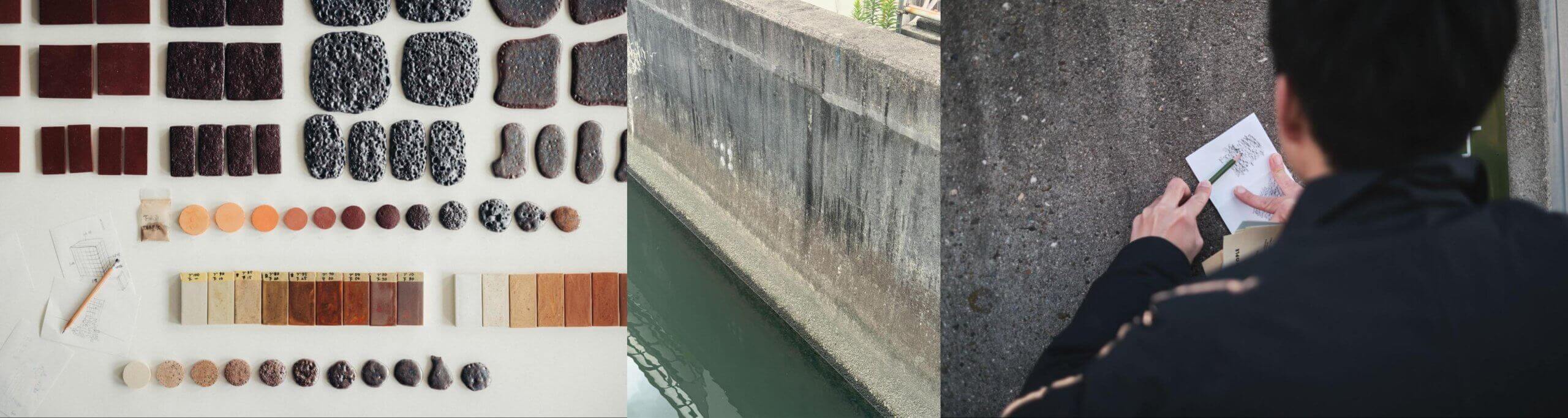
Sediment on riverbeds. Stains and marks left on buildings. Materials that may seem like urban problems can hold stories unique to the place.
This perspective looks again at traces of the city at the material level. It treats both clean and muddy elements as part of the city’s character, and connects them to local identity and civic pride.
- Exploring how muddy or ambiguous elements can be transformed
- Breaking down Morinomiya’s landscape into its elements
- Connecting Morinomiya’s environment with everyday life to nurture a healthy culture
#4 Designing systems for gentle self-governance
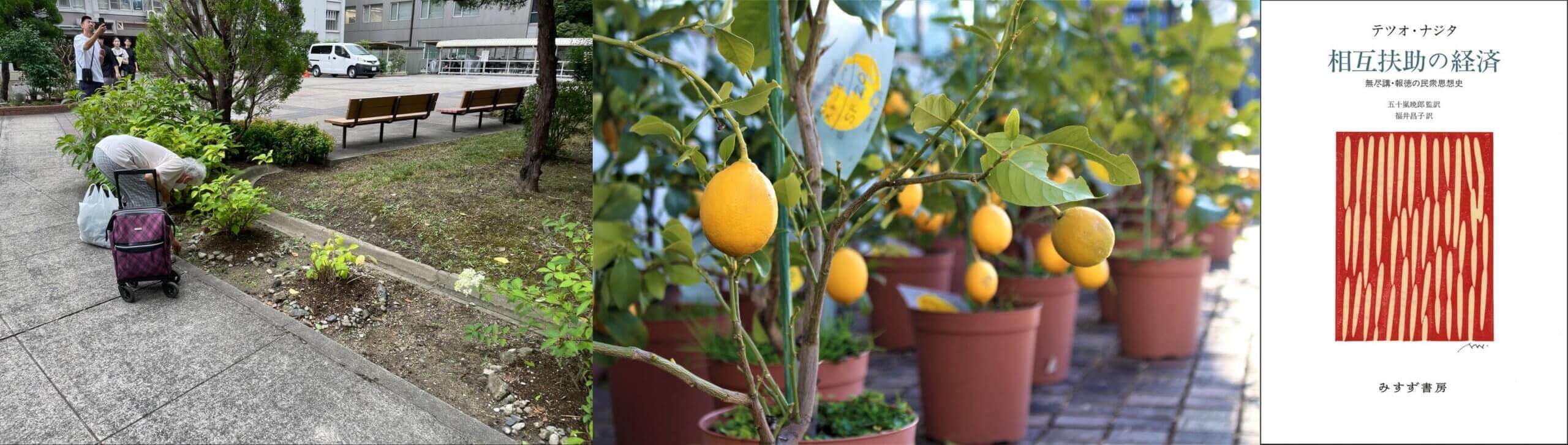
UR Morinomiya Danchi has a history of more than 60 years. Residents have cared for the shared planting areas in their own ways. Through quiet mutual understanding, they have shaped a distinctive landscape.
This perspective suggests that residents should not only receive services. They also need room to take part in shaping and changing their own daily lives. That room can lead to a stronger sense of richness.
- Carrying forward Morinomiya’s culture of gentle self-governance
- Growing the local landscape by hand
- Designing systems of mutual support
#5 Creating catalysts that build and sustain multigenerational communities
A community does not last simply because a place is provided.
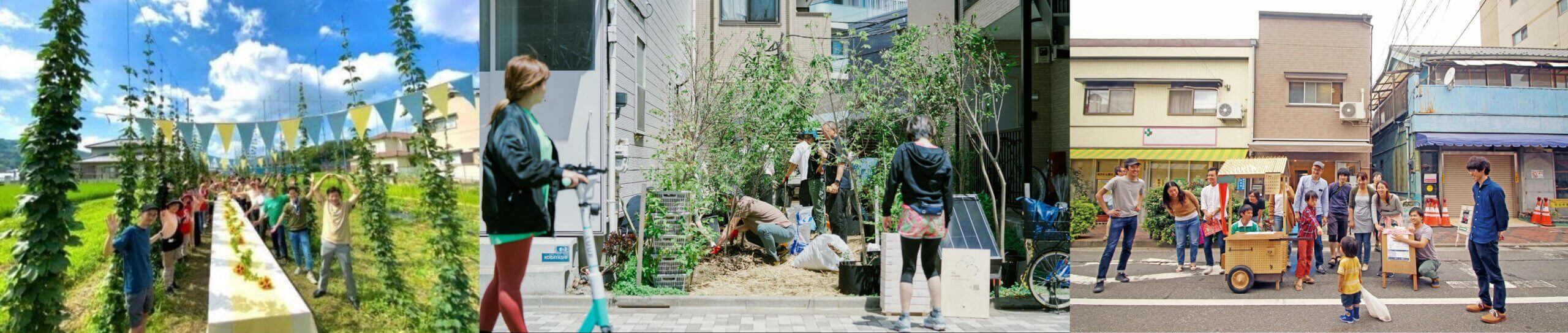
It needs open-ended catalysts. These catalysts can begin with shared interests such as food, health, or nature. At the same time, they should leave room for people to participate in different ways, without being locked too tightly into a single purpose.
Through examples such as craft beer brewing and community medical practice, this perspective explores how different generations can connect in a loose and lasting way.
- Creating room for participation through physical experiences, from growing to tasting
- Gently opening community health from hospitals into the city
- Managing small forms of nature together within the city
In 2026, Morinomiya becomes an experimental field that opens into the wider city
Loftwork positions 2025 as a year between thought and practice. Based on the insights and relationships developed through the input sessions, the project will move into a hands-on phase in 2026.
The team plans to run several programs set in Morinomiya. These include civic participation programs that use local materials such as vegetation, water, and landforms. They also include experiments using technology and natural science, as well as exhibitions and documentation that will share the outcomes of the project as a whole with wider audiences.
With the five perspectives as guideposts, these activities will bring together researchers, creators, and companies. Starting from Hotoride, the project aims to gradually flow into the broader city of Morinomiya.
Credit
■ Project Overview
Client: Urban Renaissance Agency
Project Period: From April 2025 for three years
■ Structure
Partner Joint Venture
UR Linkage
Katsumata Maruyama Architects
ondesign partners
Daiwa Industry
Loftwork
Loftwork Team
Project Management: Yoshitaka Ota
Planning: Nami Urano
Producing: Kazuto Kojima
Production Partners
Website Design and Coding: stans
Illustration: Saeko Kubo
Photography:
Ryo Matsumoto for Sessions 1, 2 and 3
Keitaro Oguro for Sessions 4 and 5
Video Production: TRANSIT FIELD, Fumihiko Bonnai
Booklet Design: Takamitsu Ota
Recommended
-
2026.07.16
Building "Fukuoka, City of Art" through a public-private partnership
-
2026.01.20
From 2050 to now: Transforming future research into immersive experiences at The Moonshot Park at Expo 2025 Osaka
-

2025.11.18
From scaffolding rentals to a value-driven company: A six-year transformation across 15 projects
-
2025.10.01
Loftwork contributes to the new ComoNe innovation space in the Tokai Region
-
2025.02.04
Exploring Creative Iterators in Japan’s Local Regions From Interviews to Editing in "AAA City Art & Lifestyle Journal Vol.8" Cover Story
-
2025.01.24
DRIVE MYSELF PROJECT: Co-Creating Future Mobility with NISSAN and the Next Generation
Next Contents