

At ComoNe, curiosity finds company
inside a co-creation space at Nagoya University
Galleries, workshops, a library, a kitchen: one space for research to meet the public
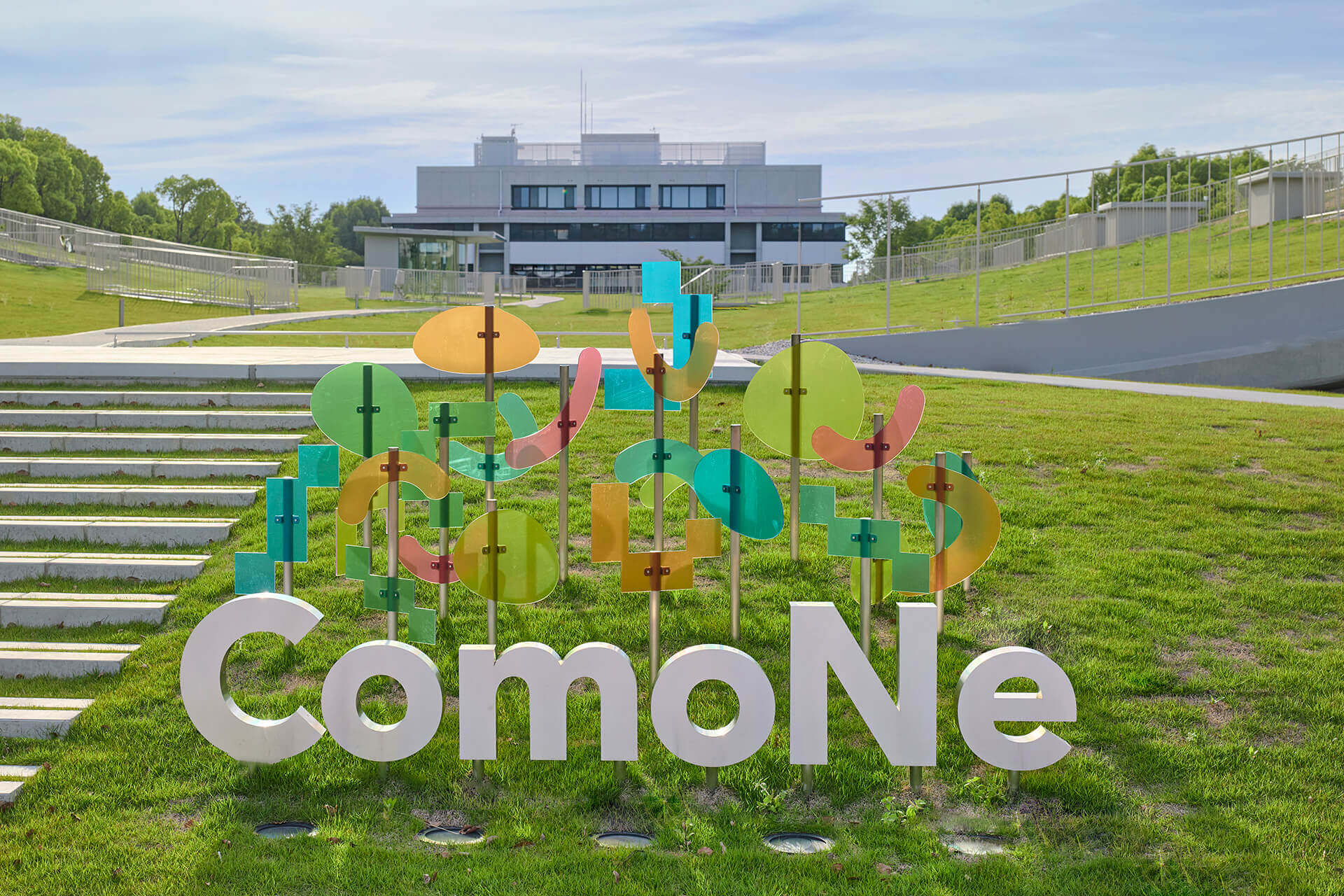
In July 2025, the co-creation facility Common Nexus (ComoNe) debuted on Nagoya University’s Higashiyama Campus. Designed to bridge the gap between academic research and society, the space invites local residents, schoolchildren, corporate partners, and visitors to engage with university resources and participate in interdisciplinary encounters.
The facility functions as a “third space,” weaving together exhibition galleries, fabrication tools, a communal library, and culinary spaces to foster community activation. Within its initial ten months, ComoNe has cultivated an ecosystem where artist-researcher collaborations, youth robotics mentorship, and professional dialogues over shared meals thrive within its open lounges and creative hubs.
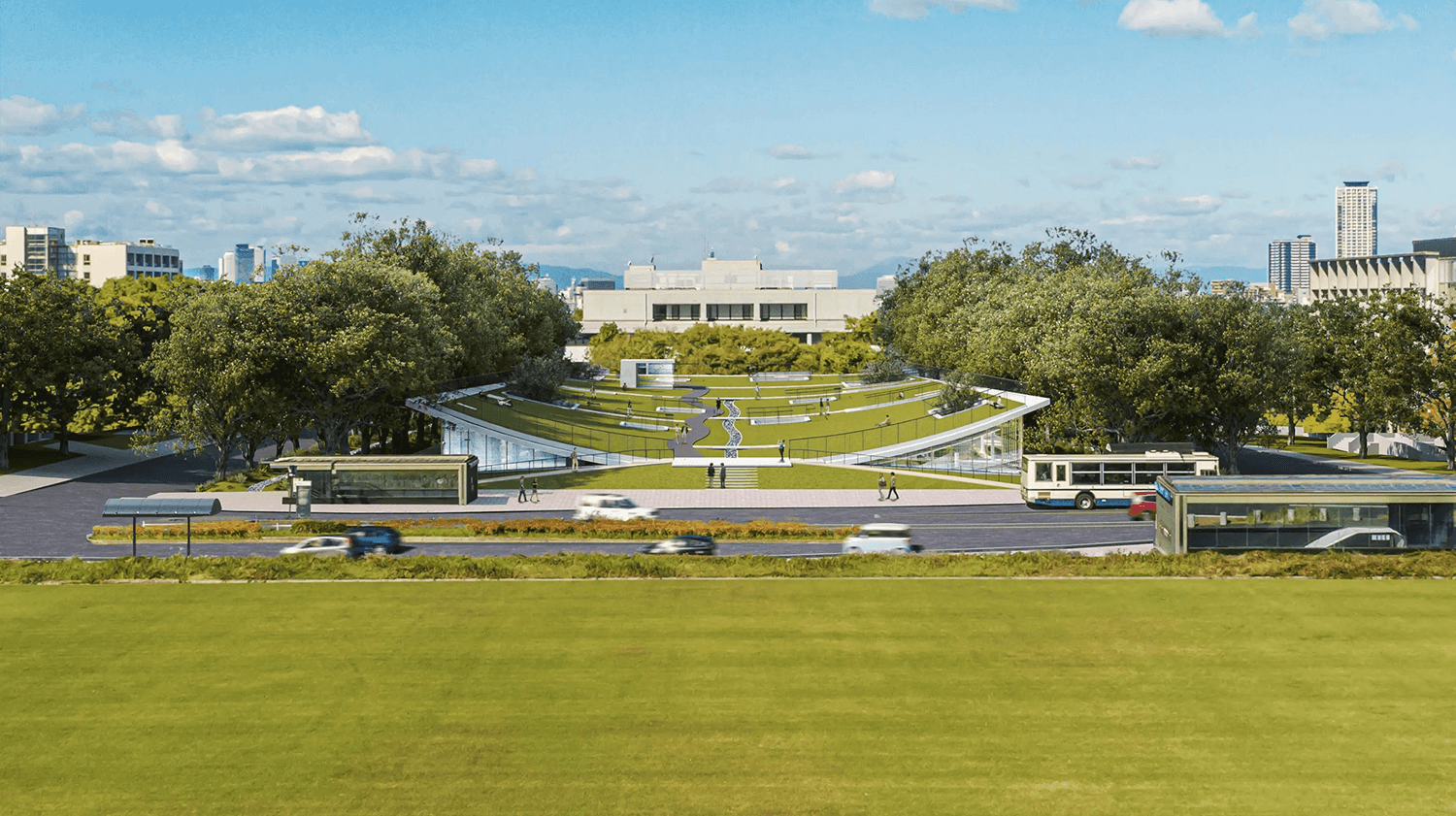
In July 2025, the co-creation facility Common Nexus (ComoNe) debuted on Nagoya University’s Higashiyama Campus. Designed to bridge the gap between academic research and society, the space invites local residents, schoolchildren, corporate partners, and visitors to engage with university resources and participate in interdisciplinary encounters.
The vision behind ComoNe
ComoNe is guided by the vision to “Make New Standards for The Public,” ensuring that the wealth of knowledge generated through institutional inquiry is not confined to academic circles. By providing a shared landscape for researchers, students, corporate partners, and local families, the facility transforms individual curiosities into a collective engine for community activation.
The space is defined by three pillars of engagement:
- The ComoNe Program, which initiates multidisciplinary investigation through seasonal themes;
- The museum, a platform for translating research into tangible artworks and projects;
- The commons, an open hub for fabrication, dialogue, and quiet respite.
This integration fosters a creative ecosystem where the boundaries between observer and creator dissolve. Here, visitors transition seamlessly from viewing an exhibition to participating in a workshop, while prototypes born in the FAB SPACE migrate to the Project Material displays, and informal culinary dialogues evolve into collaborative ventures.
The Grand Staircase and LOAM HALL
Positioned toward the Nagoya Daigaku subway station, the grand staircase serves as the facility’s primary landscape for informal gathering. In the quiet intervals between programming, it transforms into a communal study lounge and social hub; when the facility is activated, these same tiers provide tiered seating for an audience engaged in presentations, professional dialogues, and hands-on workshops. LOAM HALL, situated at the base, functions as the central stage for the pitches and visionary talks that define the ComoNe community.
The hall’s open architecture uses soft dividers rather than rigid walls, ensuring that the natural flow of campus life remains visible. This permeable design allows for serendipitous engagement, where the facility’s creative rhythm often captures the attention of passersby or students in mid-study, inviting them to transition from casual observers to active participants in academic inquiry.
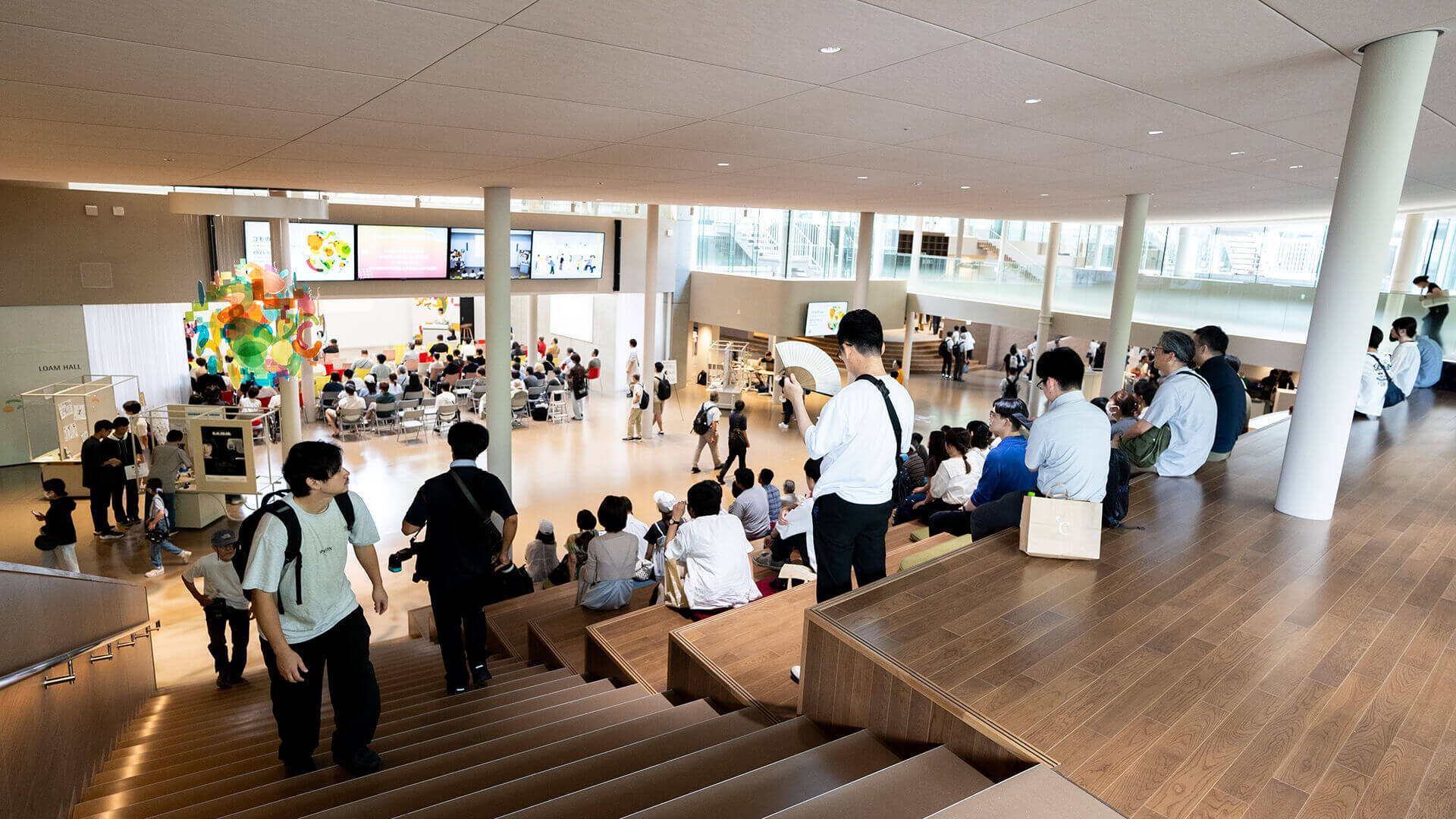
The hall seats about 70 people; with the grand staircase included, the audience can grow to nearly 200.
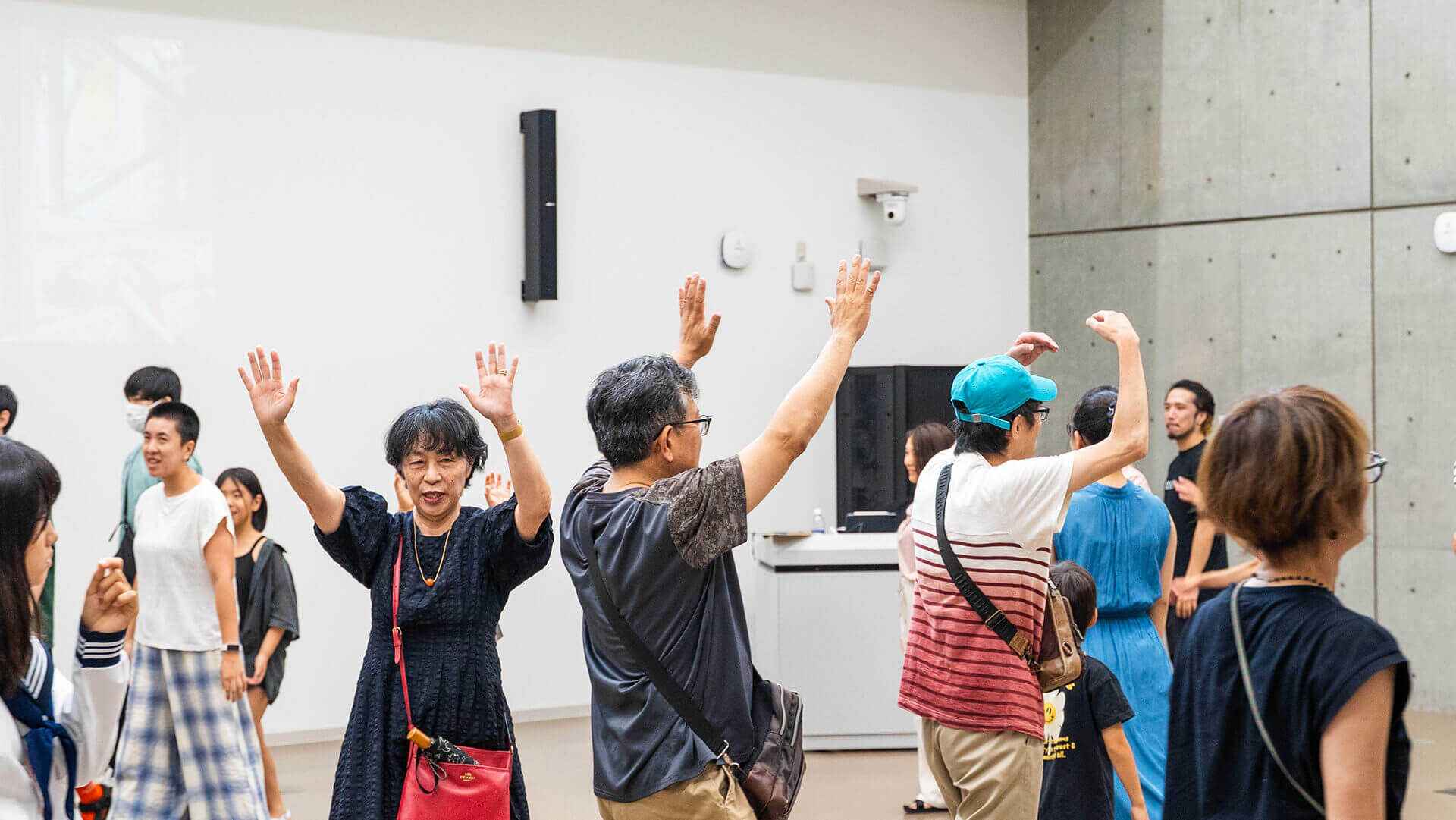
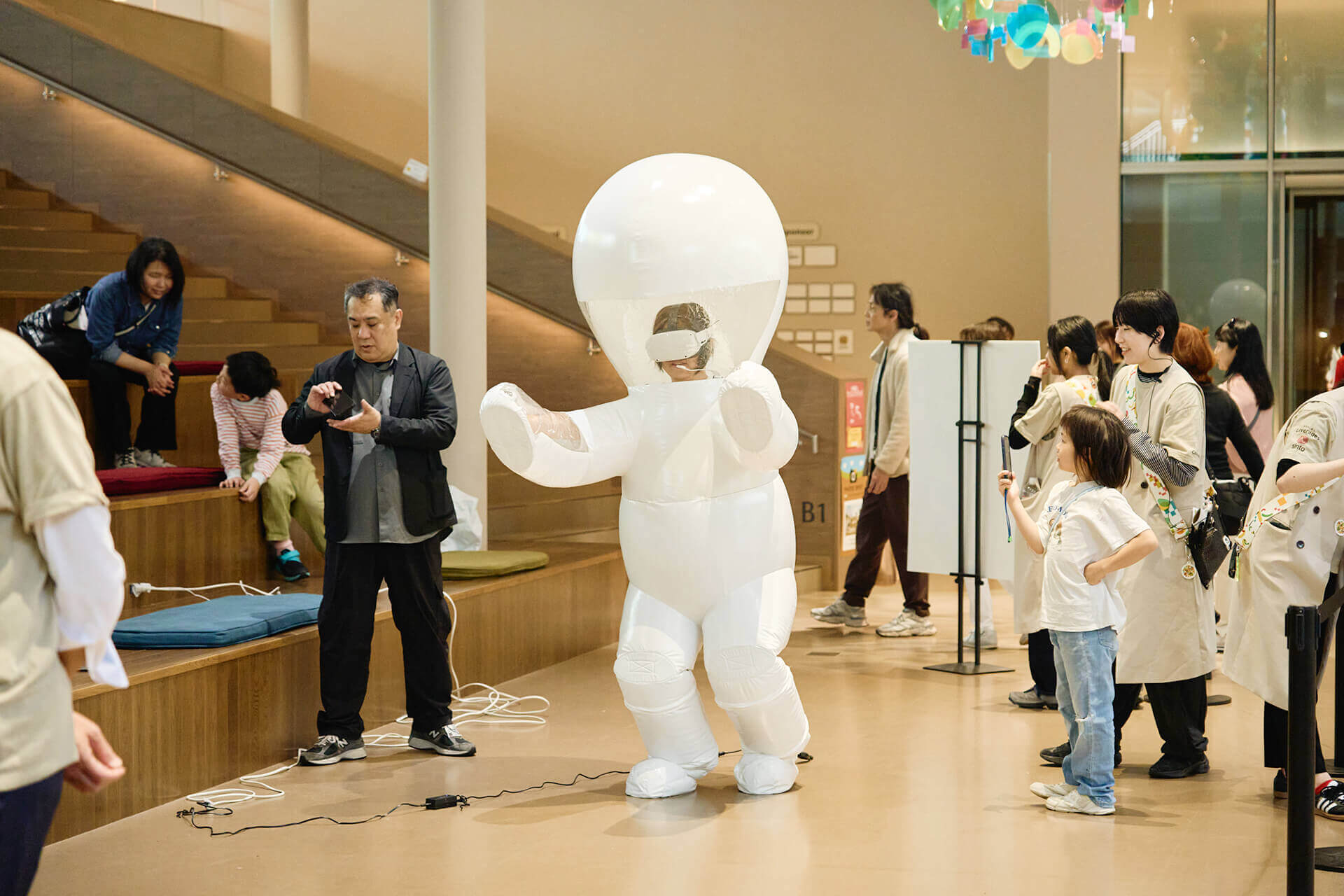
A dance workshop by Masanari Tsuji. Under the theme From Movement to Space, participants explored their relationship with their surroundings through touch and sight as they jumped and walked.
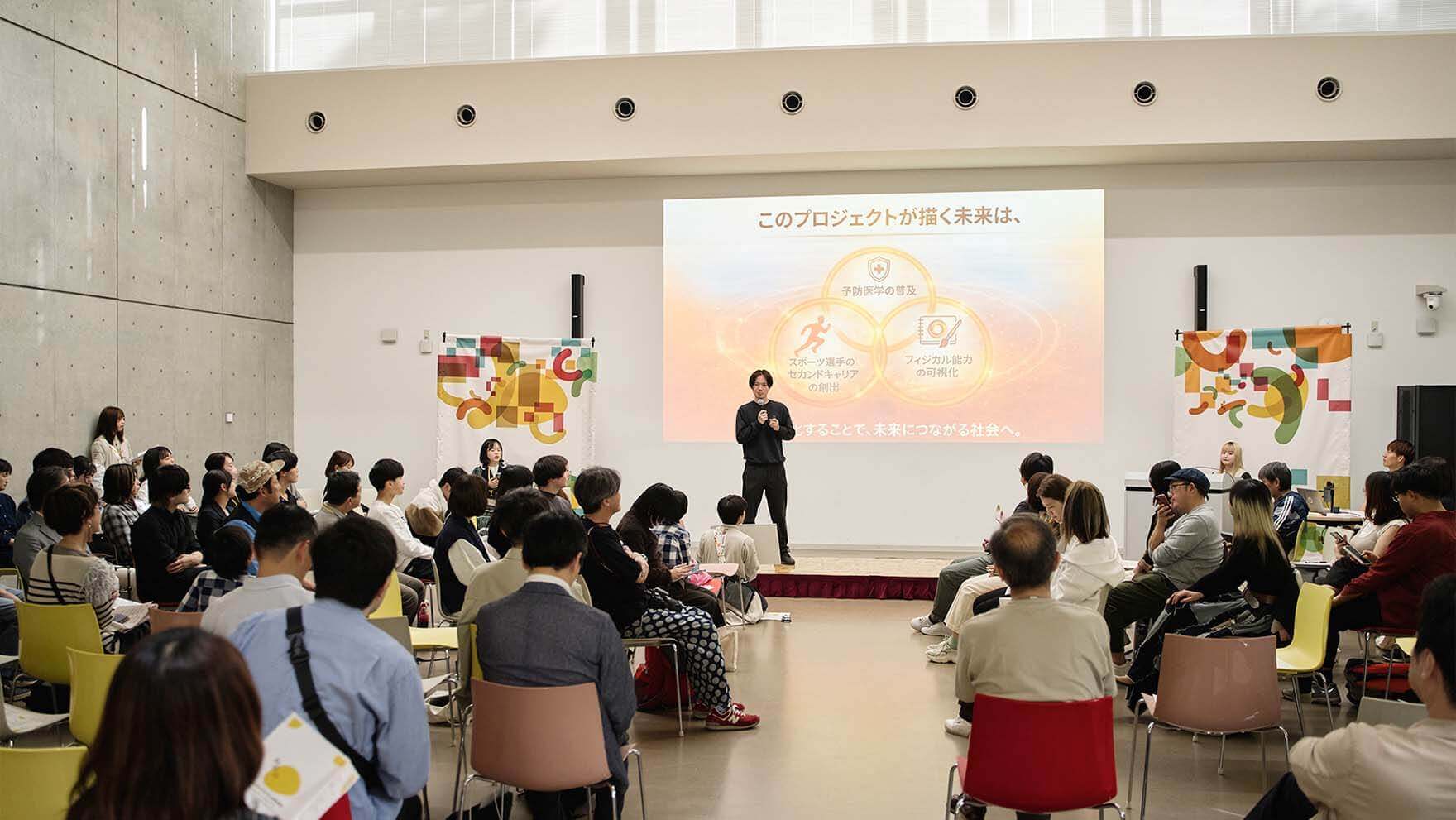
The flat, step-free LOAM HALL and the staircase that slopes down toward it put speakers and listeners, participants and onlookers, close together. (Photo: Wataru Sato)
The Museum
The exhibition area is located past the grand staircase and often holds two exhibition programs in parallel. The STEAM GALLERY shows long-term works produced by artists and researchers in collaboration, rooted in particular research fields and technologies. The ComoNe Program sets a single theme every six months and gathers works and projects from around the world that respond to it. The works are curated to address questions drawn from ComoNe’s research and interests in society, the body, technology, or nature.
STEAM GALLERY
The STEAM GALLERY translates research inquiries into compelling artworks. For example, in a subject like human-robotic interaction which is mostly disseminated through publications, ComoNe focuses interactive exhibitions to provide a public platform for tangible and real world contexts of transformative technologies.
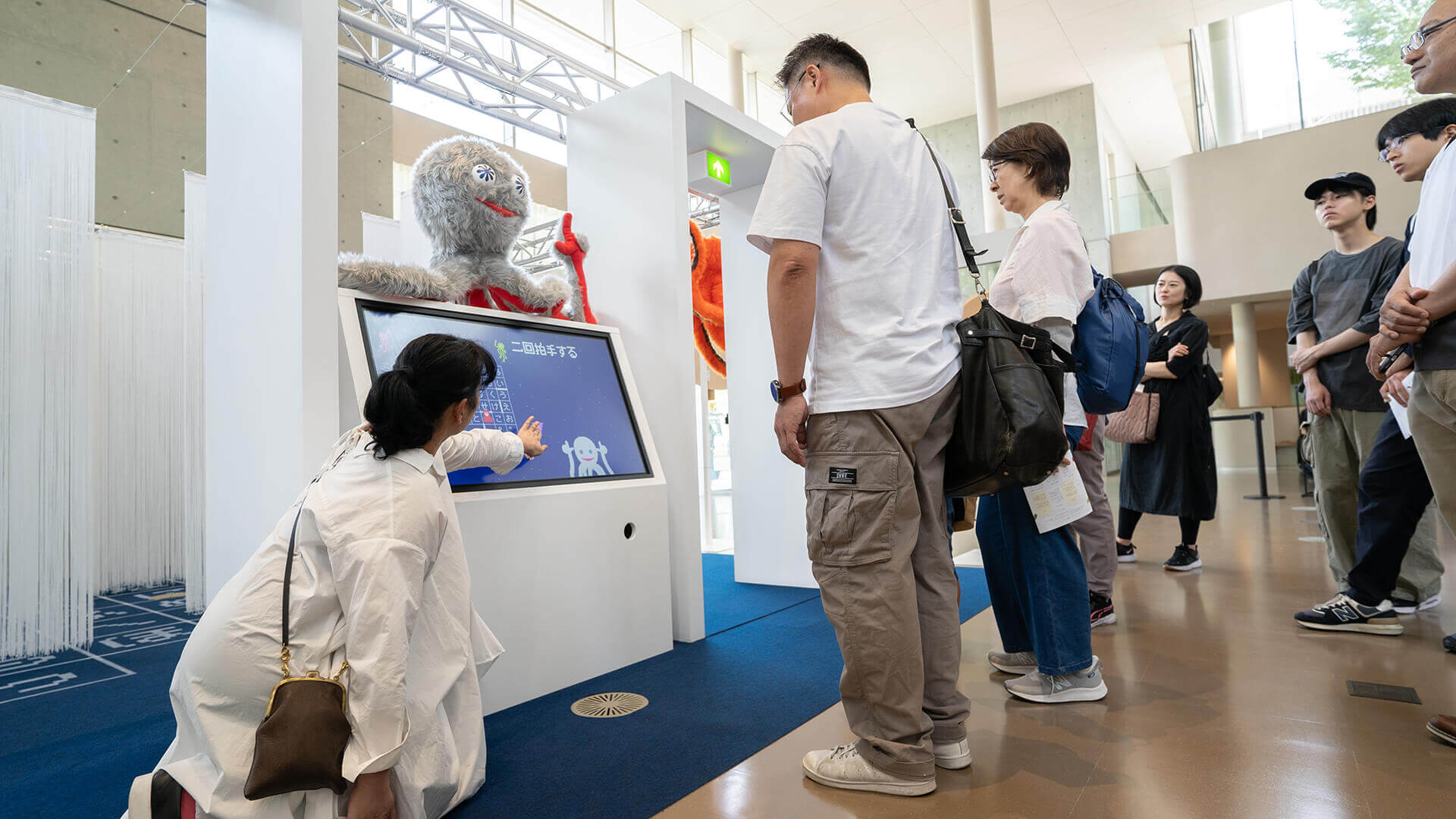
"Miterus and Tokiakasu," an interactive work in which four "Miterus" figures and a "Tokiakasu" unravel fragments of what they have seen and heard. Adults and children alike stop and get drawn into it.
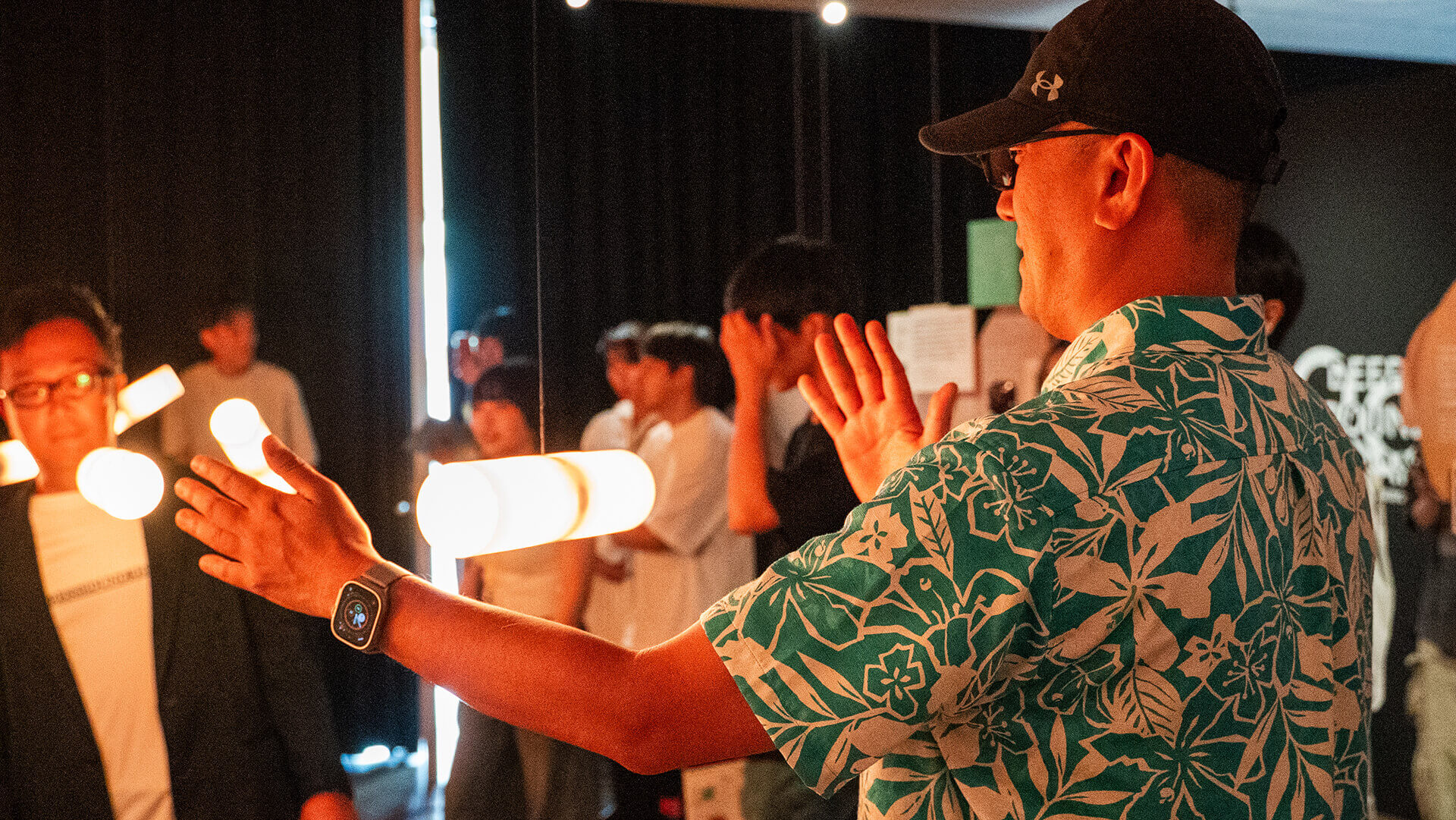
"Fragmentations of Unity." Robots influence one another and keep moving in response to the viewer's presence, asking how individuals behave and relate within a group.
Exhibitions at ComoNe often reach beyond the gallery walls. For instance, an artist and a university professor collaborated on a workshop that invited participants to contribute to a symphony using signals from microbial fuel cells and sounds gathered from the soil. Participants placed microphones in a campus pond and near the building to listen to the landscape. A microphone placed in the ground even captured the rumble of the subway running deep below.
By bringing these sounds, which are usually hidden from human hearing, into the foreground, the workshop moved the exhibition subject out of the gallery and directly onto the campus grounds, grounding the experience in the very material the research explores.
"Deep Ground Resonance: Let's Listen to the Sounds Underground!," a workshop by artist Dorita Takido and Yasuhiro Suzuki of the Tokai National Higher Education and Research System. (Credit: Wataru Sato)
The ComoNe Program
The ComoNe Program anchors the facility’s creative rhythm, introducing a new theme every six months. This thematic framework gathers diverse projects spanning art, design, technology, and community research, that investigate a shared question from multiple perspectives.
Each cycle integrates workshops, artist-researcher dialogues, and guided exhibition tours led by the ComoNe crew, offering deep dives into the inquiry behind the work. Ultimately, these programs are designed to treat exhibitions not as finished destinations and starting points for further experimentation and discovery.
Some works featured in these programs are born within the facility. For example, during the “Hello Human!” cycle, the “Let”s Make a Game From Sound!” hackathon challenged participants to build games that rely entirely on auditory experience.
By focusing on sound from the initial design phase rather than as an afterthought, creators, students, and members of the public collaborated with acoustic engineers to re-examine how we perceive space. The resulting prototypes were showcased directly in the exhibition, illustrating the program’s commitment to turning shared inquiry into tangible results.
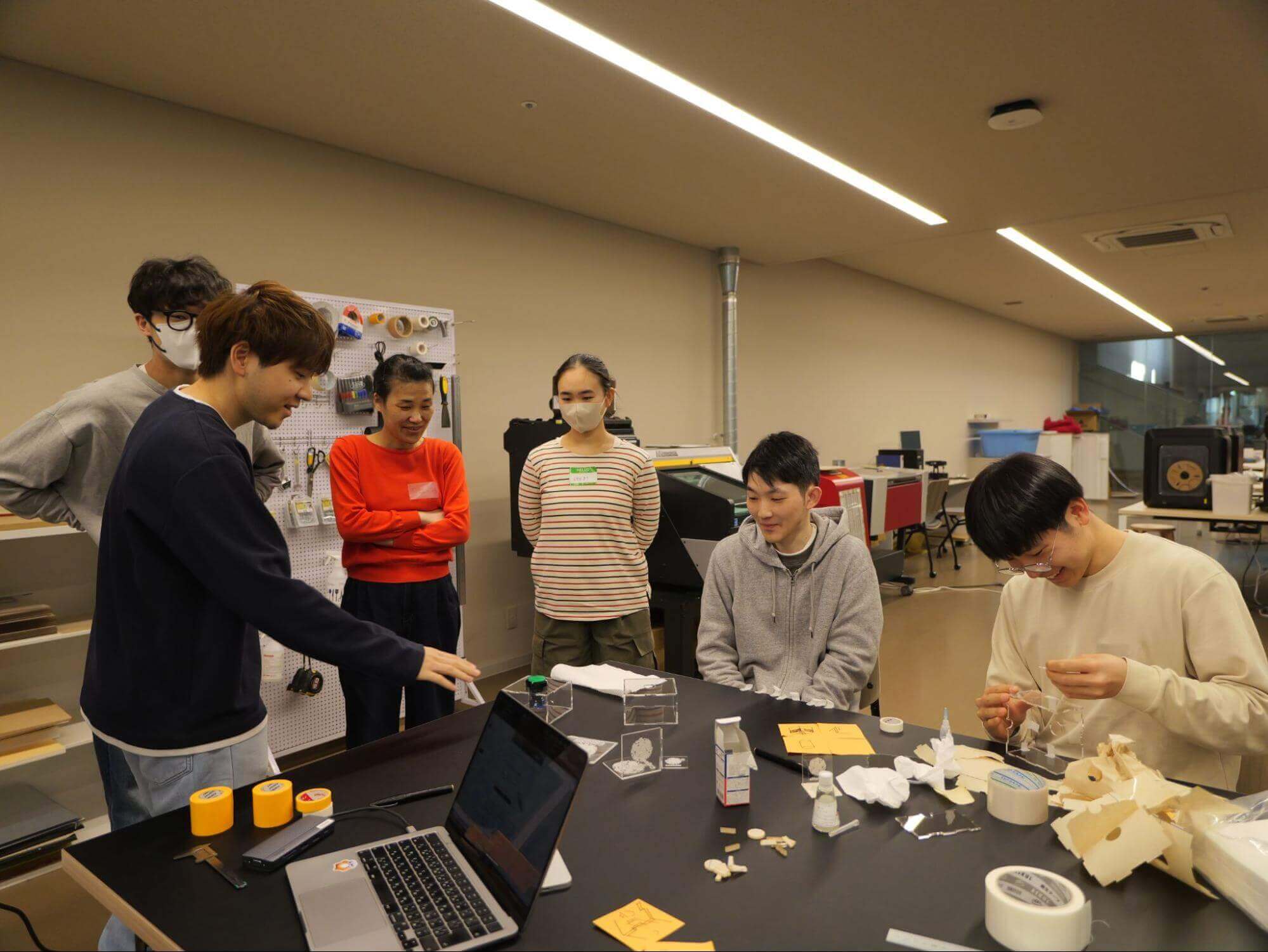
Beyond conventional exhibition formats, the Museum showcases research prototypes, sensory experiences, and experimental projects still in progress. The curation embraces intentional complexity, favoring works that invite contemplation over those that are instantly legible. By creating space for ambiguity, these exhibitions encourage viewers to linger, fostering a deeper connection with the underlying inquiries that audiences may have.
Project Material and FAB SPACE
Scattered throughout the building are fixtures resembling small market stalls known as Project Material. These displays serve as a public workspace for ideas in development, hosting topics for discussion and projects actively seeking collaborators. By transforming private inquiries into tangible objects, notes, and prototypes, this system invites the community to engage with work in progress, turning the building itself into an open invitation for response and participation.
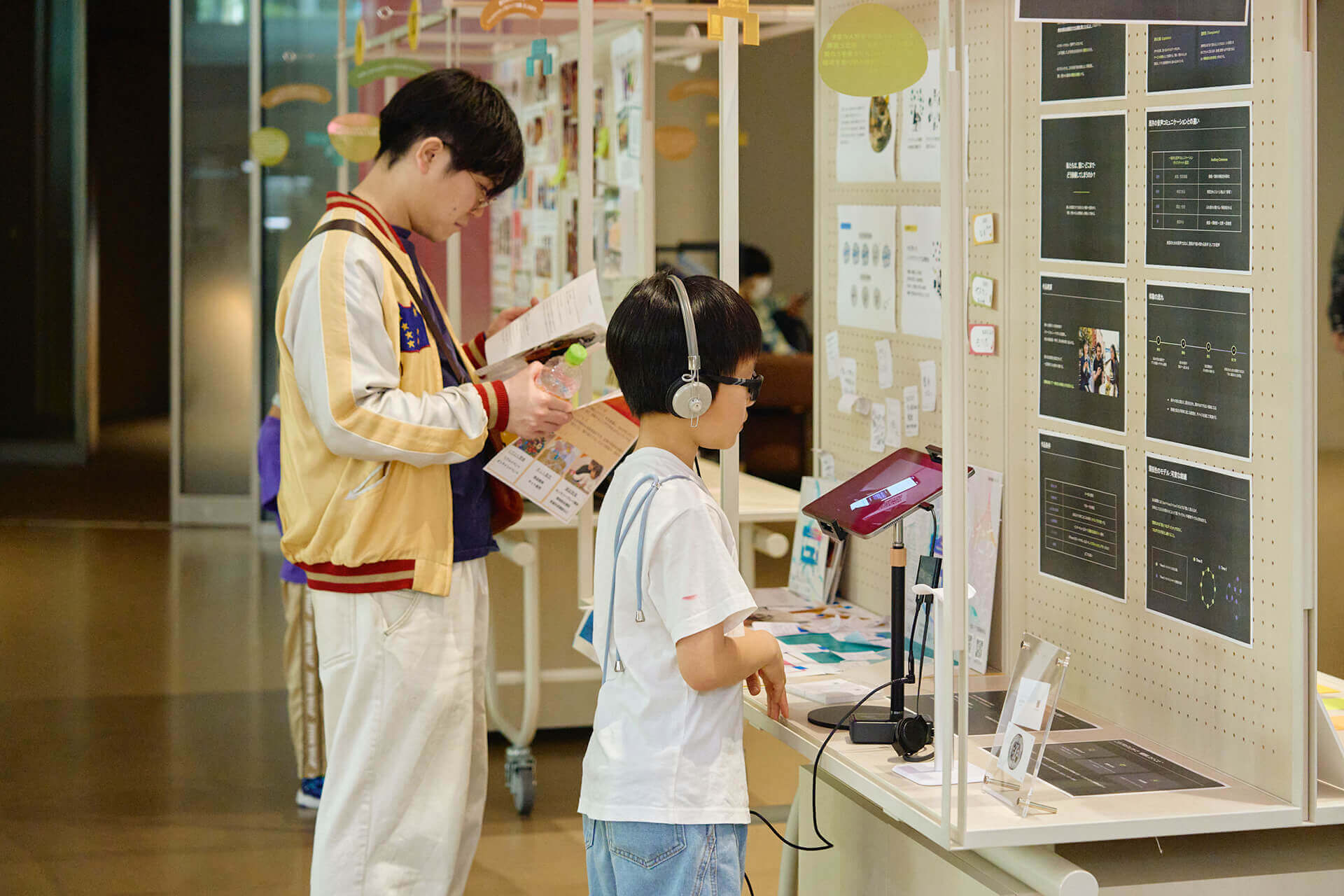
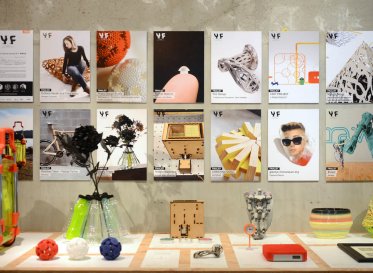
The FAB SPACE serves as the creative engine for these inquiries, equipping visitors with 3D printers, laser cutters, and other fabrication tools to bring their ideas to life. The space then becomes a site of community activation and a testing ground where users frequently adapt equipment to suit their specific needs.
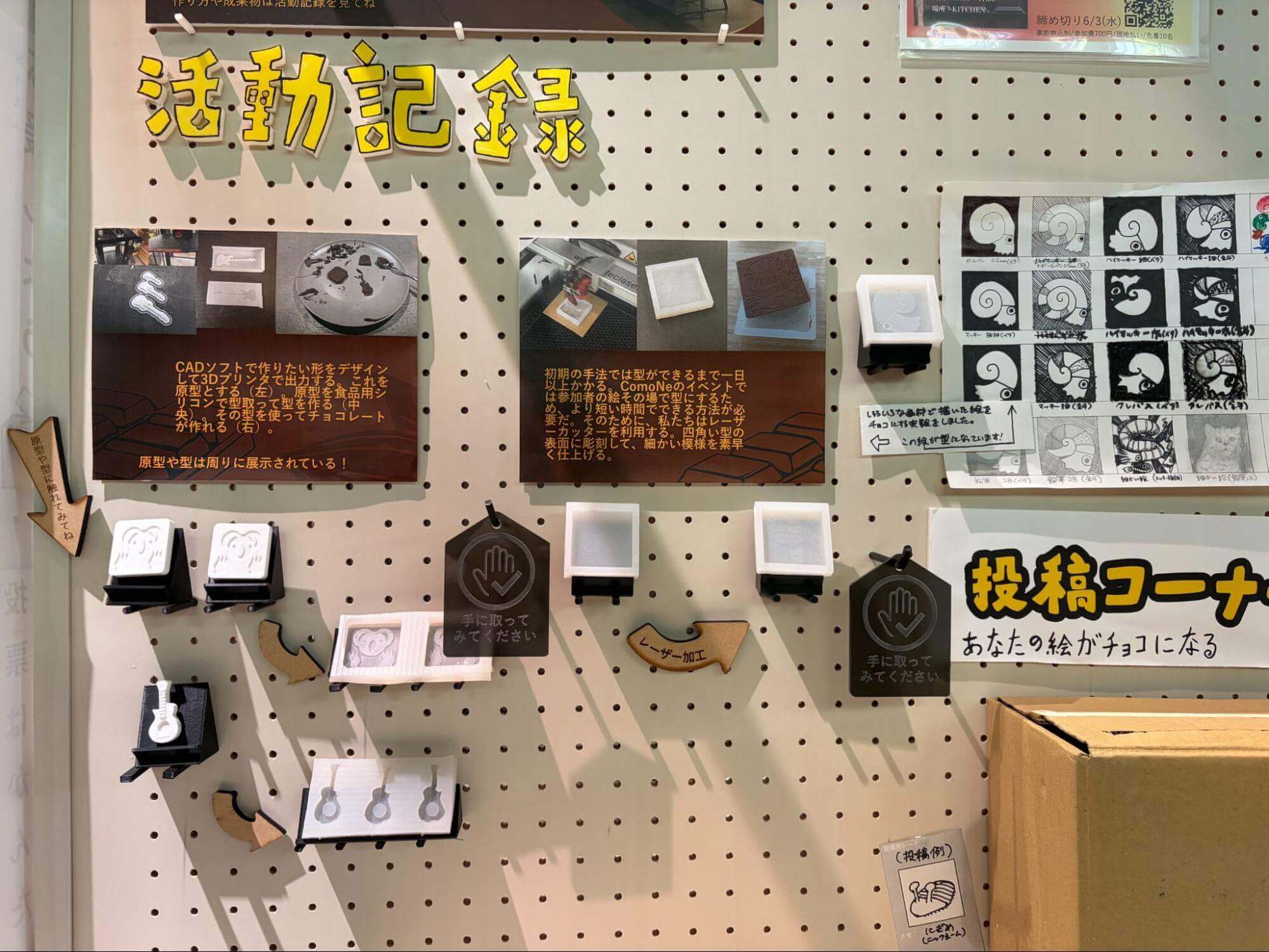
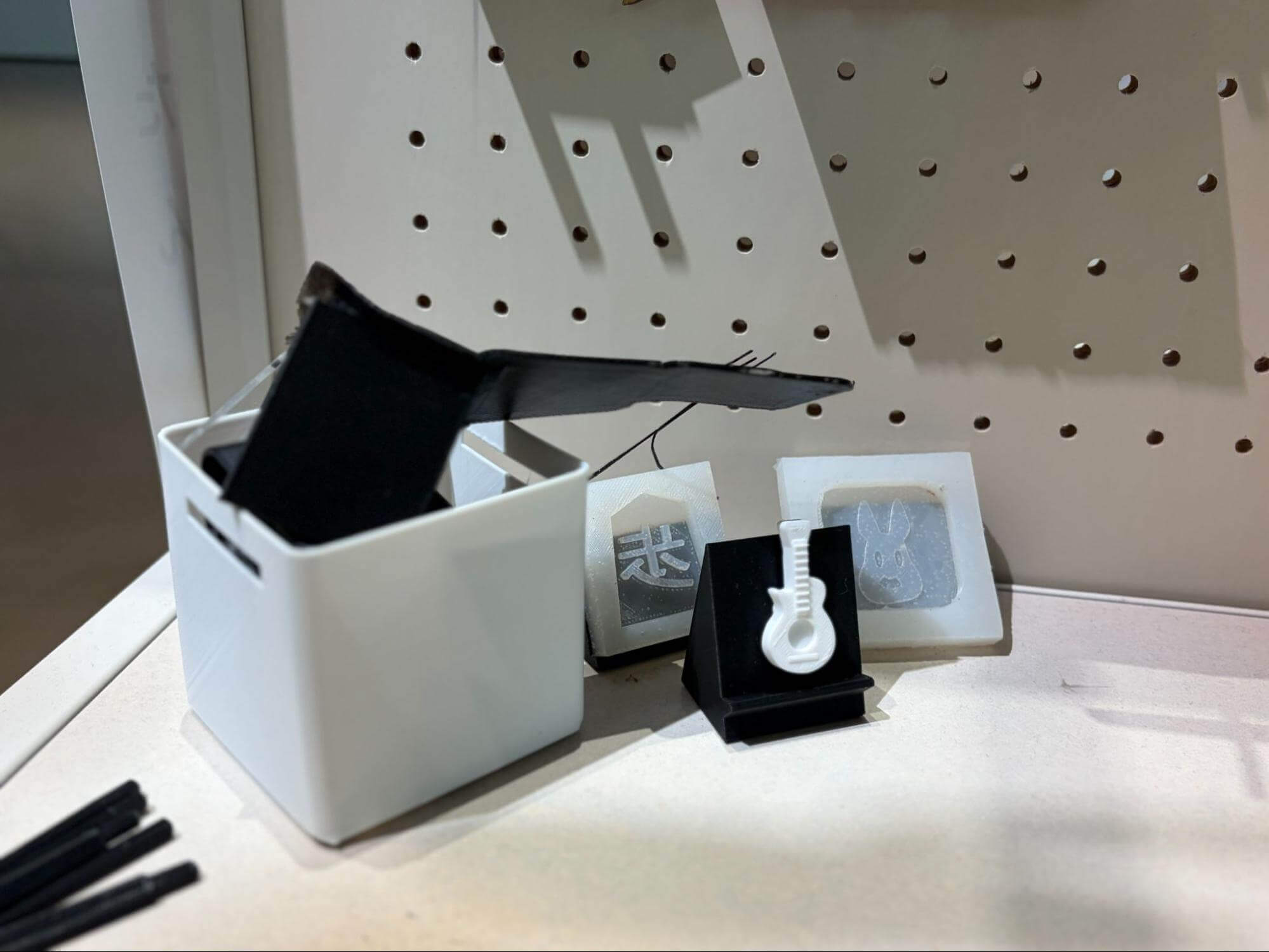
In the Edible Gallery project, for example, a doctoral student used laser cutters to engrave original molds for chocolate sculptures while also producing exhibition signage and explanatory panels on site. This hands-on adaptability defines the culture of the FAB SPACE whether visitors need a specialized tool, a custom display, or a unique component, they build it themselves making fabrication a fundamental step in the development of every project.
The FAB SPACE also welcomes a younger generation of creators, including the Tokai Junior and Senior High School Robotics Team. Participating through the Nenone Program, these students use the facility’s 3D printers and laser cutters to refine their competition robots, gaining access to advanced fabrication tools that might otherwise be difficult for them to use. More significantly, the space connects these students with valuable mentorship. By posting requests for technical support on the Project Material displays, they have secured guidance from engineering professors and formed unexpected professional connections, such as when faculty reached out during an exhibition to initiate ongoing dialogues and collaborations. This environment has allowed the students to build a diverse network of mentors, surprising even the team members themselves with the breadth of the community they have engaged.
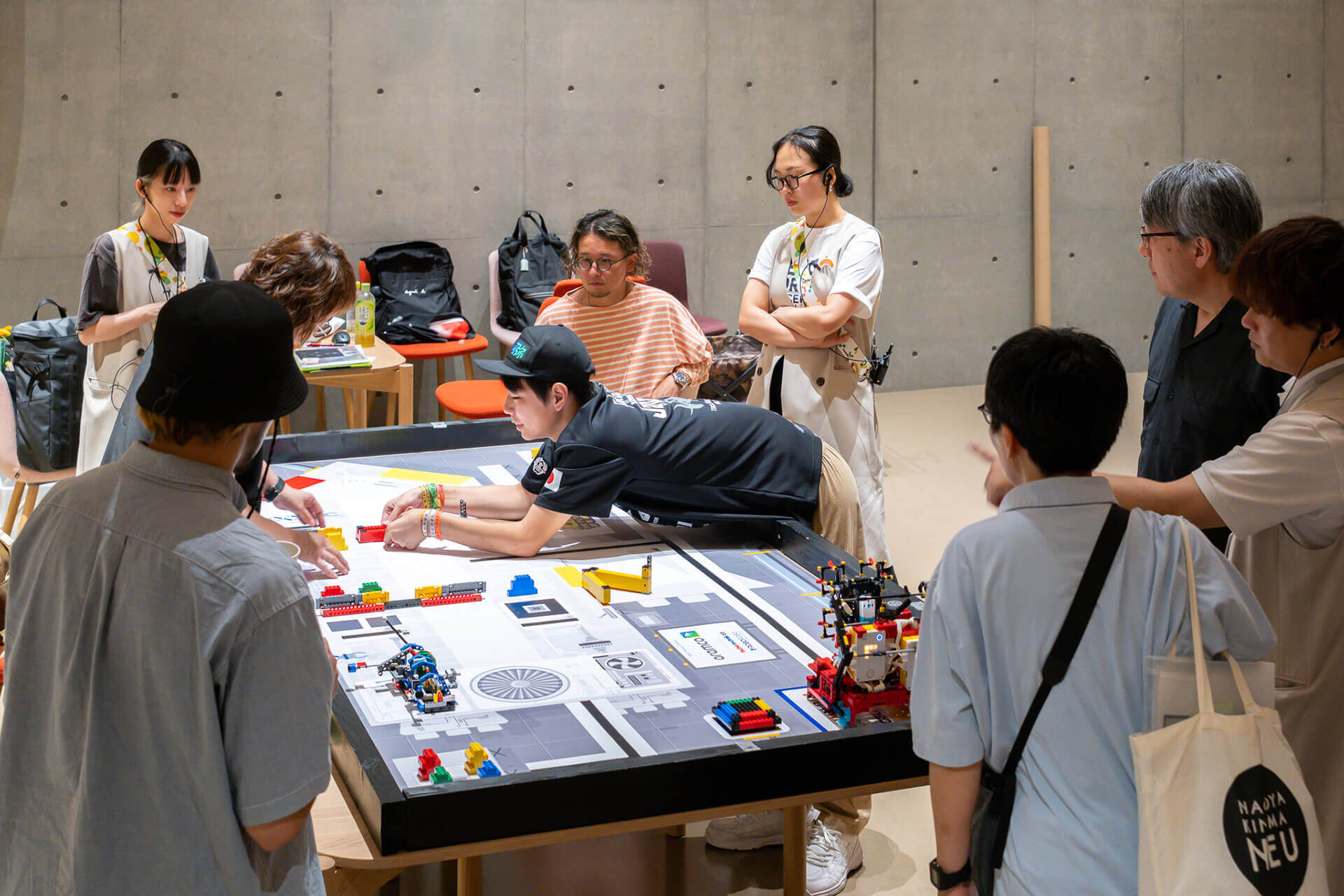
The team’s members want robotics in the Tokai area as a whole to improve, so they introduce ComoNe to students from other schools and hold joint practice sessions there; on practice days, parents cook rice balls and curry in the kitchen while the students work.
LOUNGE, where works in progress reveal someone’s presence
In the LOUNGE, the act of keeping creative processes visible is an intentional design choice; members are encouraged to leave prototypes on the tables, rather than tucking them away. These unfinished objects serve as a presence even when their makers are absent, offering a glimpse into an ongoing inquiry and inviting others to engage.
At ComoNe, it is often these works in progress, rather than completed pieces, that act as the most effective catalysts for dialogue; while a finished artifact concludes its narrative, a prototype leaves the door open for questions and shared discovery.
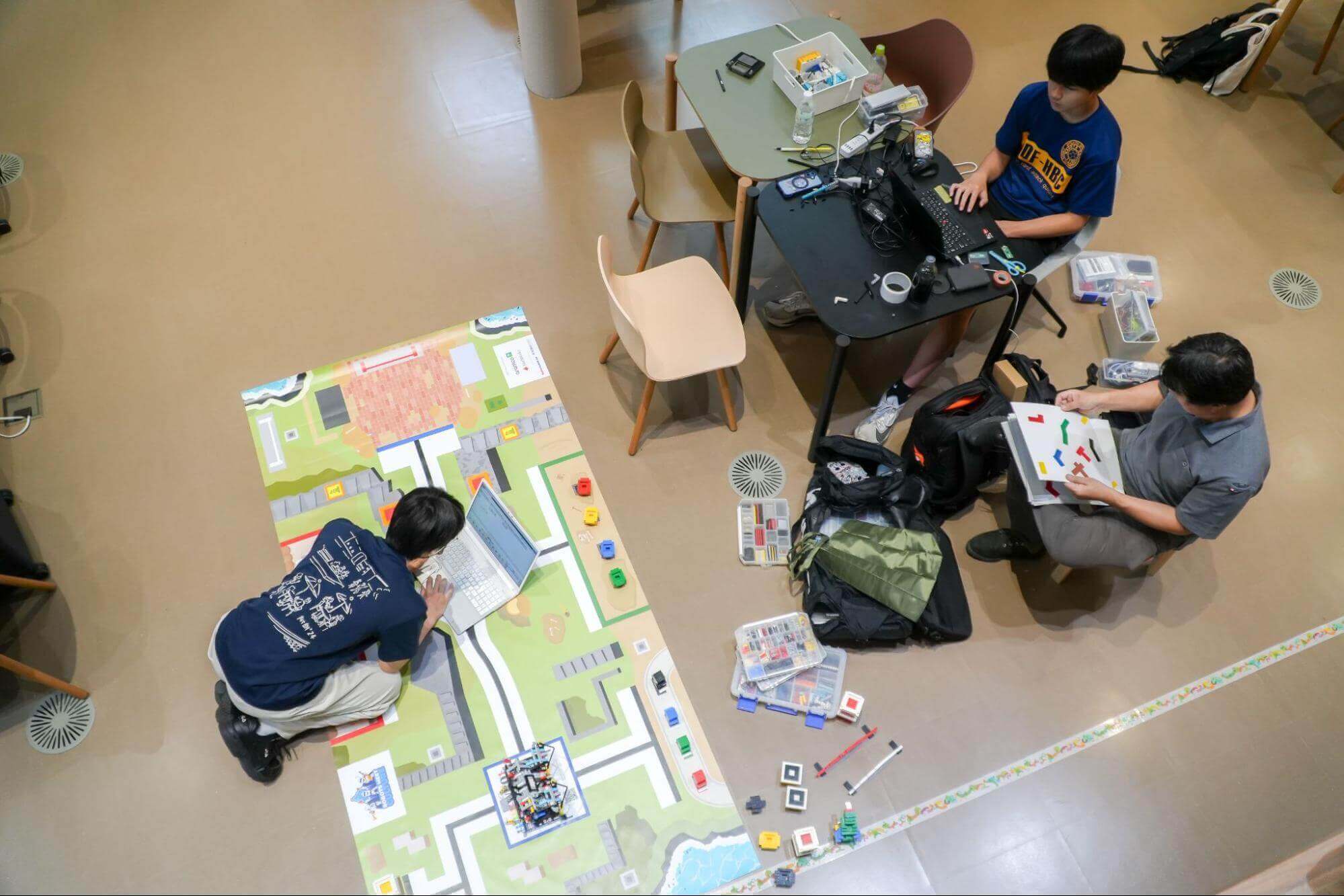
At ComoNe, keeping the process visible creates openings for conversation.
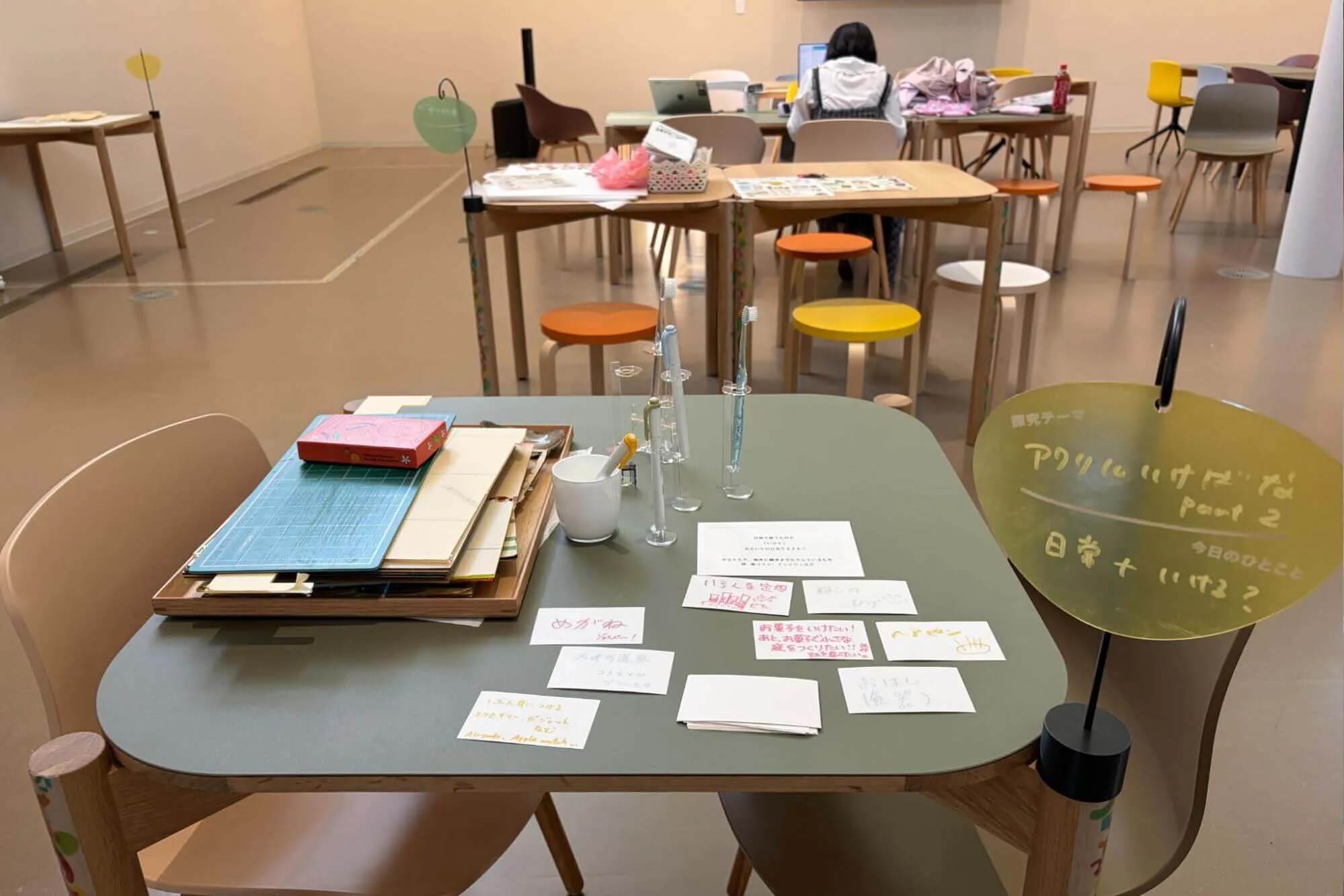
Materials and prototypes left on the table are traces of someone's inquiry in progress.
ROOTS BOOKS, where people’s histories rest on the shelves
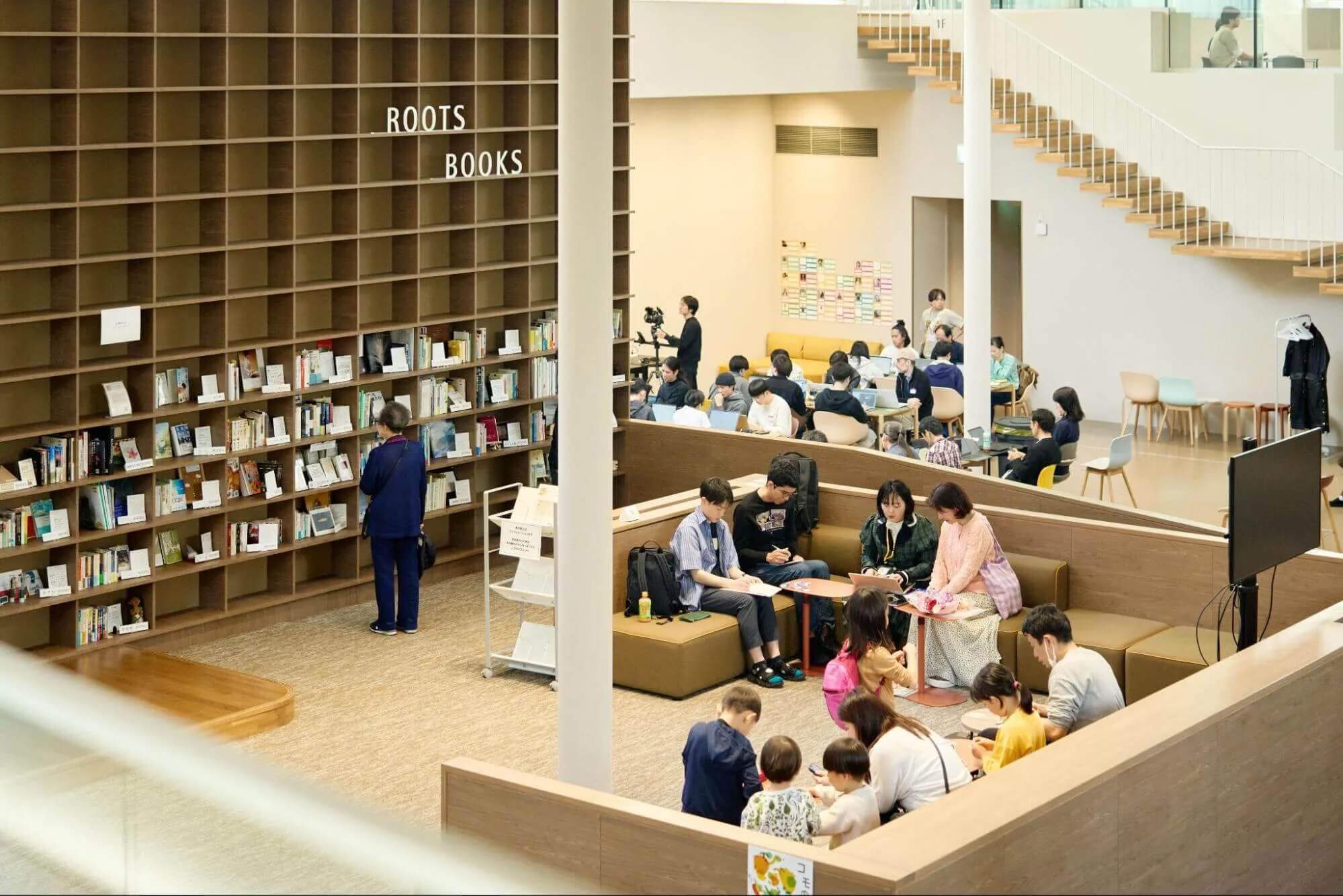
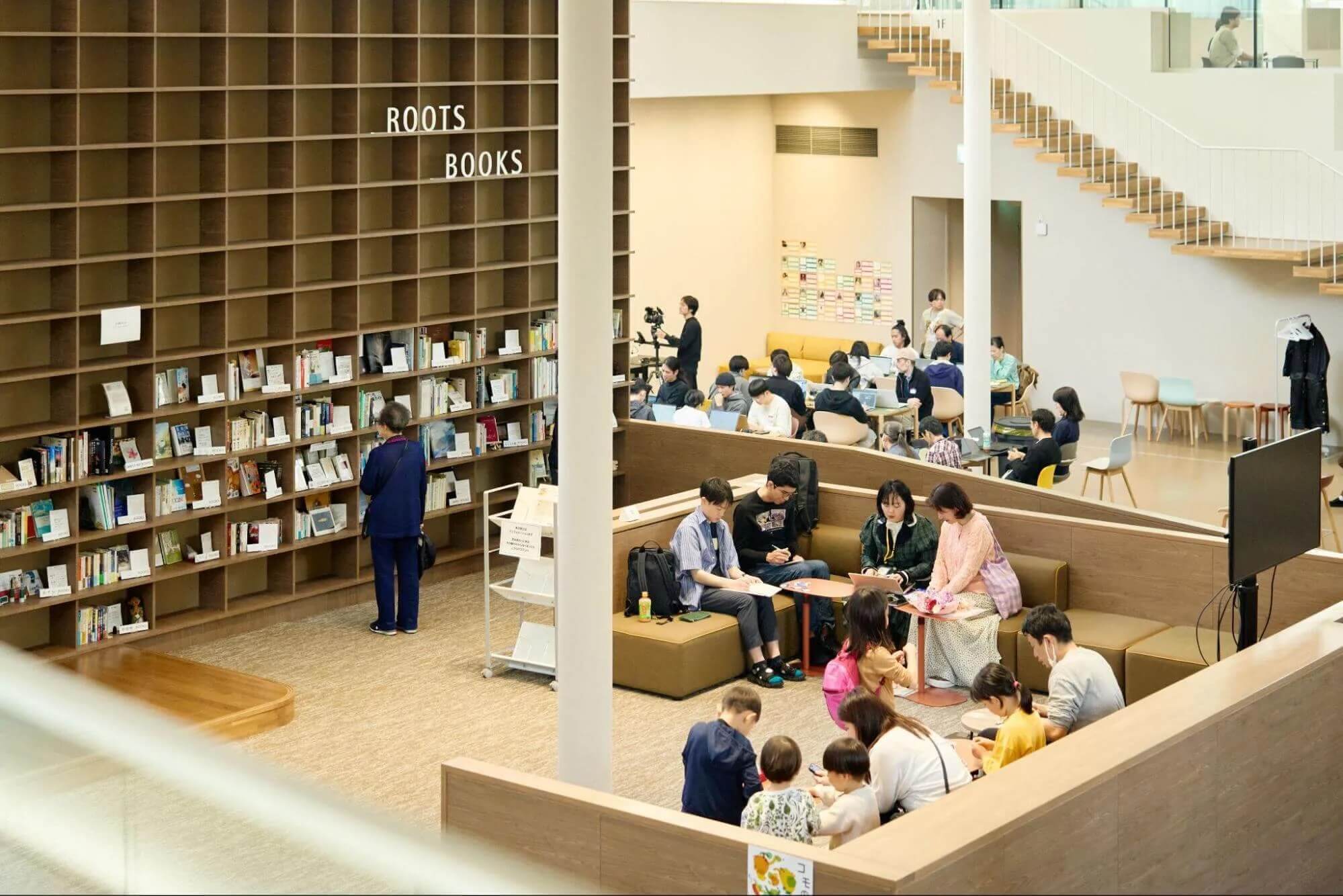
Venturing further into the facility reveals ROOTS BOOKS, a communal library where curated shelves reflect the individual journeys of their keepers. This collection is maintained by ComoNe’s diverse network from academic laboratories and researchers, to corporate partners, local experts, and resident families. The shelves manifest in various forms: some anchor specific research inquiries, while others trace the contours of professional life or daily habit, spanning Egyptian archaeology, gender theory, and private literary legacies.
Every shelf functions as a physical archive of the curiosities and milestones that define its owner, highlighting the specific texts that sparked a research path, reframed a career, or provided guidance during a period of transition.
Many volumes include personal notes from the owners, while readers are invited to leave their own reflections on cards, facilitating a silent dialogue between individuals linked only by their shared encounter with a book.
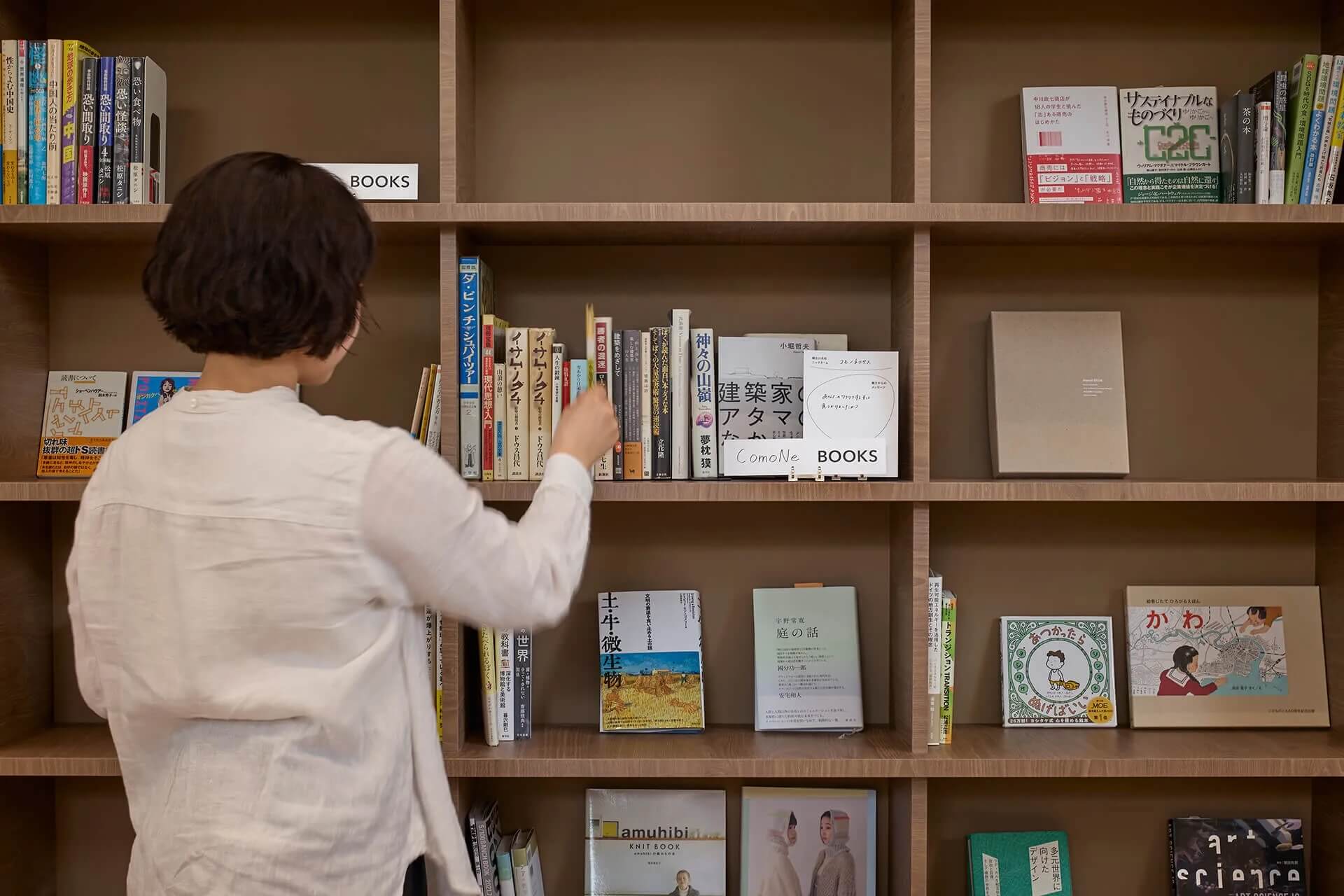
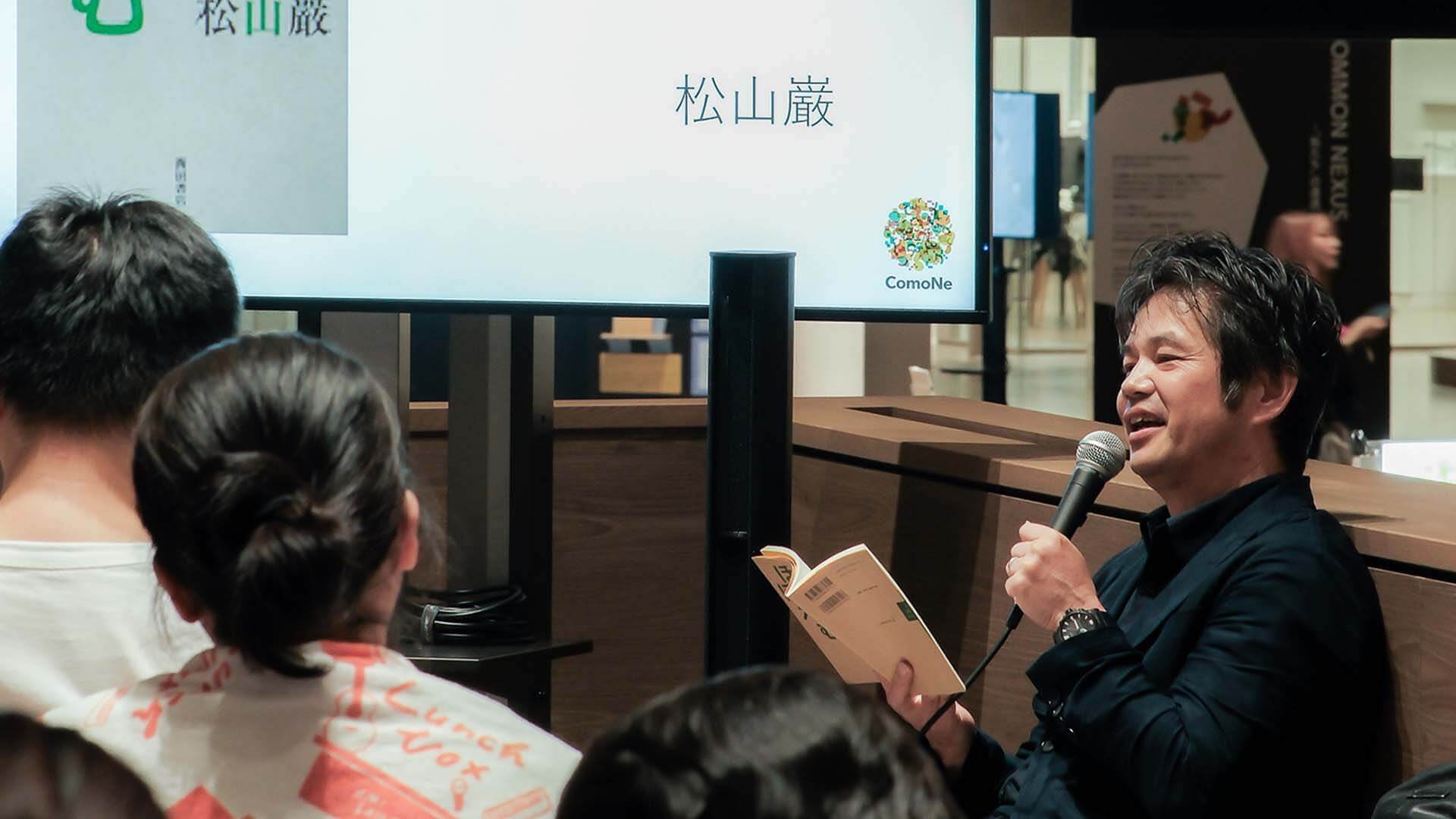
These collections provide the foundation for Hitotonari Books, a monthly gathering where curators use their curated volumes as a catalyst for dialogue. The series evolves organically; rather than a predetermined schedule, each speaker personally selects the next participant, often inviting a neighboring shelf owner or someone they wish to engage in conversation, allowing the event to move fluidly through the network.
Tucked away beneath the grand staircase, a dedicated corner for picture books serves local children and families. While the FAB SPACE and LOAM HALL hum with active fabrication and public presentations, ROOTS BOOKS remains the facility’s quietest enclave, offering a space for more introspective engagement.
KITCHEN, where food brings people closer
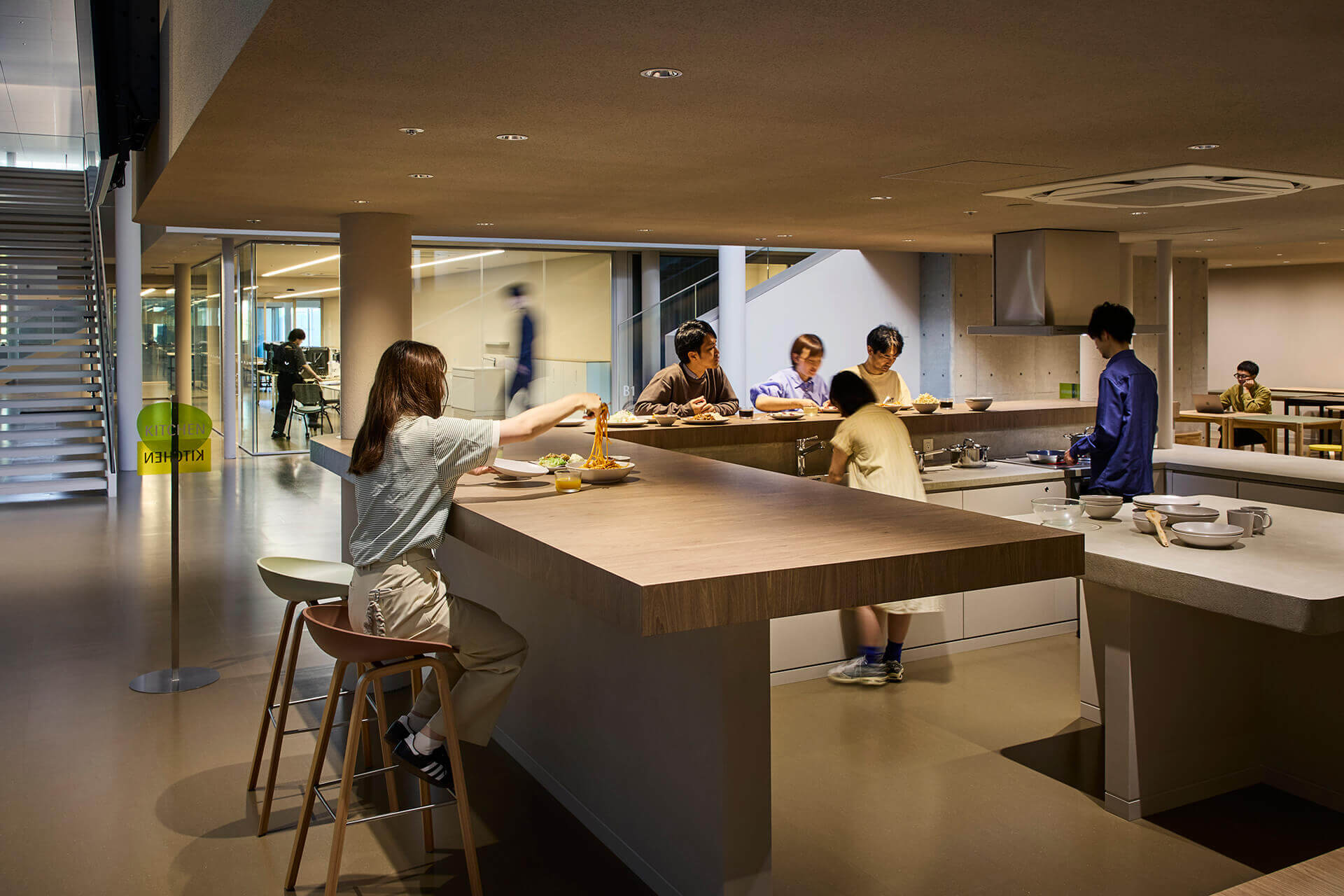
The facility features a kitchen designed to catalyze connection through food, where shared meals naturally evolve into deeper project dialogues.
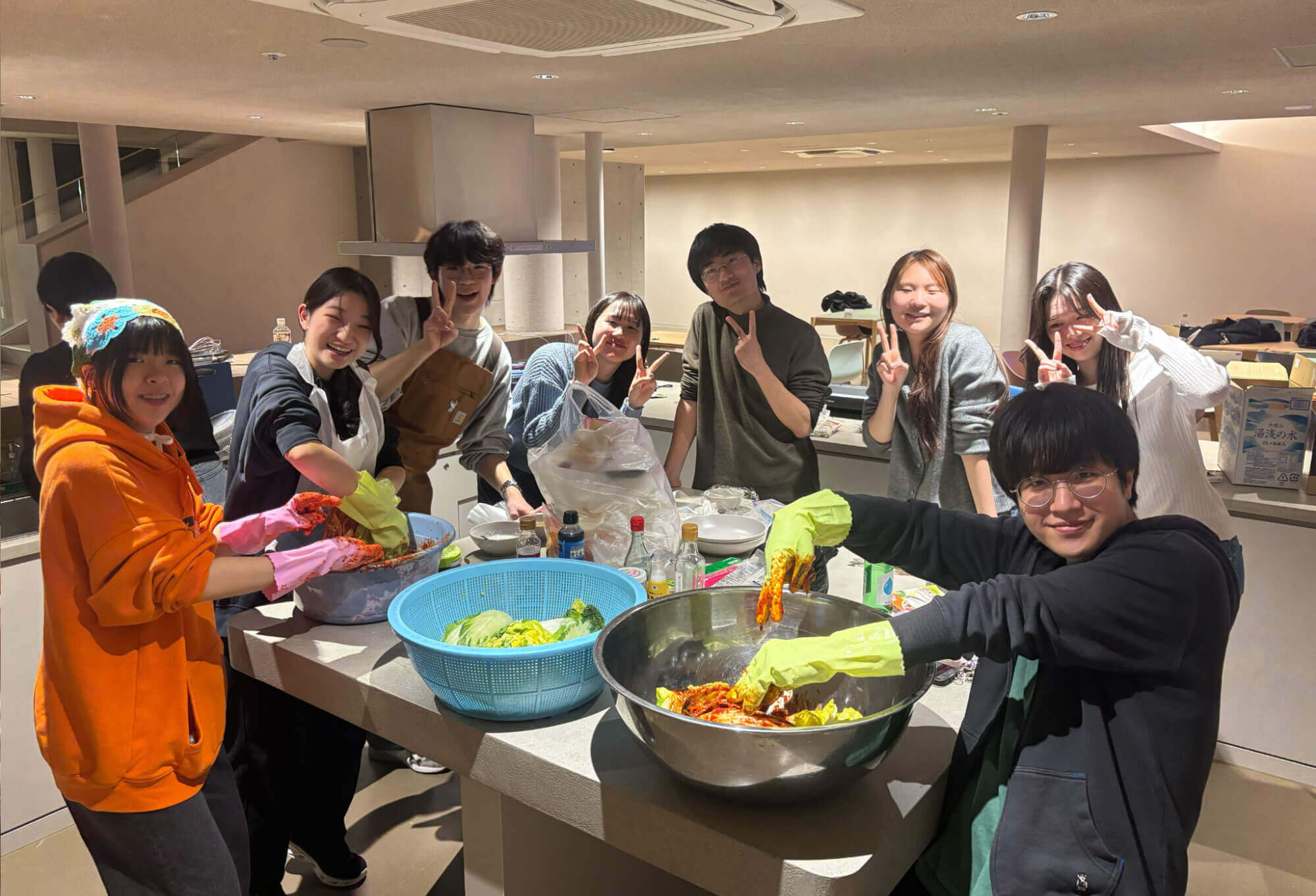
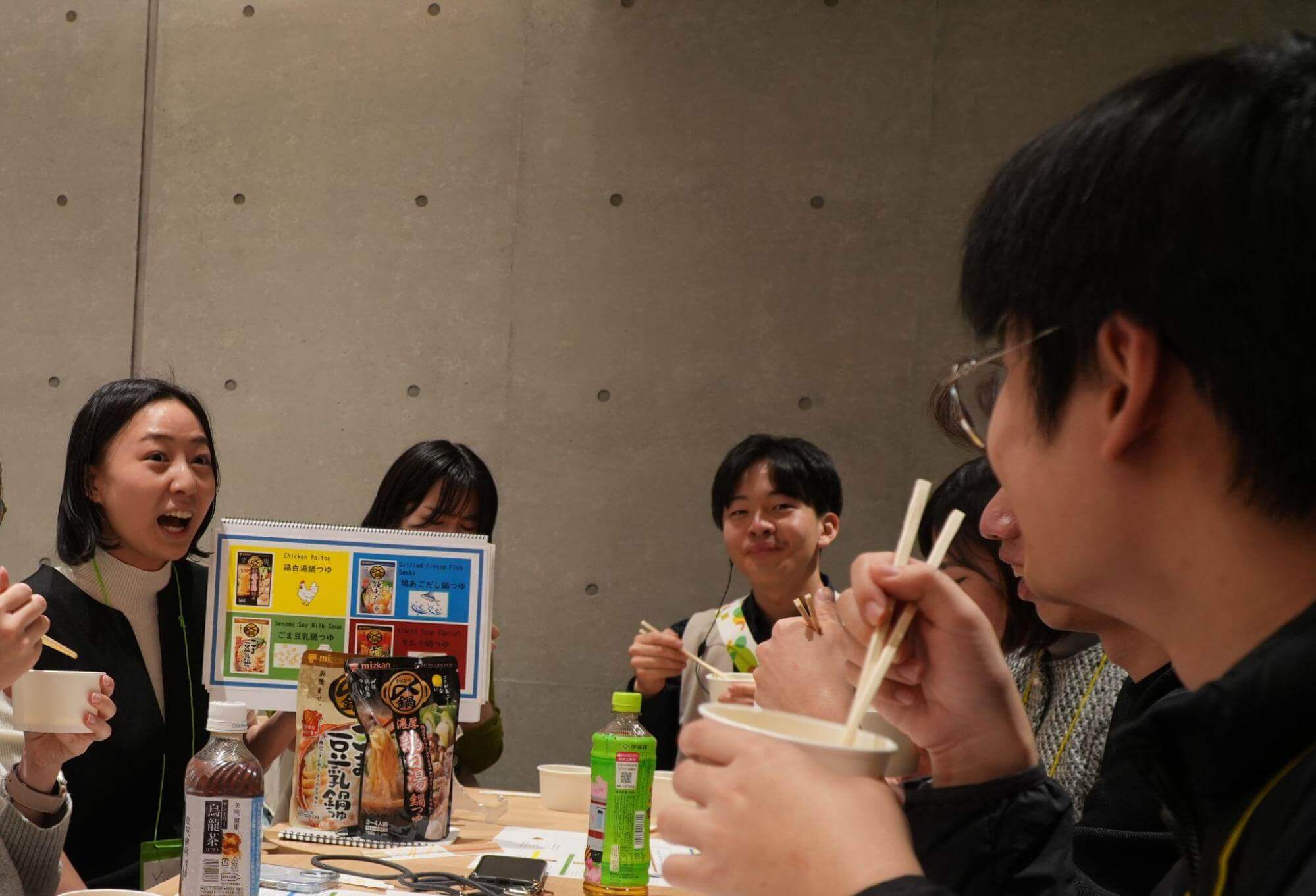
The facility recently hosted a gathering where international students from Korea prepared traditional kimchi using fresh napa cabbage. As the flavors developed during fermentation, they curated a selection of Korean dishes, an activity that naturally drew in students seeking to reconnect with their roots or explore Korean cultural practices. In another session, Aichi-based Mizkan hosted a collaborative workshop where students investigated the nuances of hot pot soup bases. Over these shared meals, the dialogue shifted seamlessly from culinary products to professional opportunities, prompting one participant to inquire about upcoming application cycles.
The KITCHEN addresses a critical need by providing a tangible foundation for interaction; while research inquiries can feel abstract, food offers a concrete point of shared encounter. At ComoNe, this principle extends across the library, fabrication tools, and culinary spaces, each serving as a vital starting point for the building’s ecosystem of collaborative activity.
Rooftop, an open space for doing something or nothing
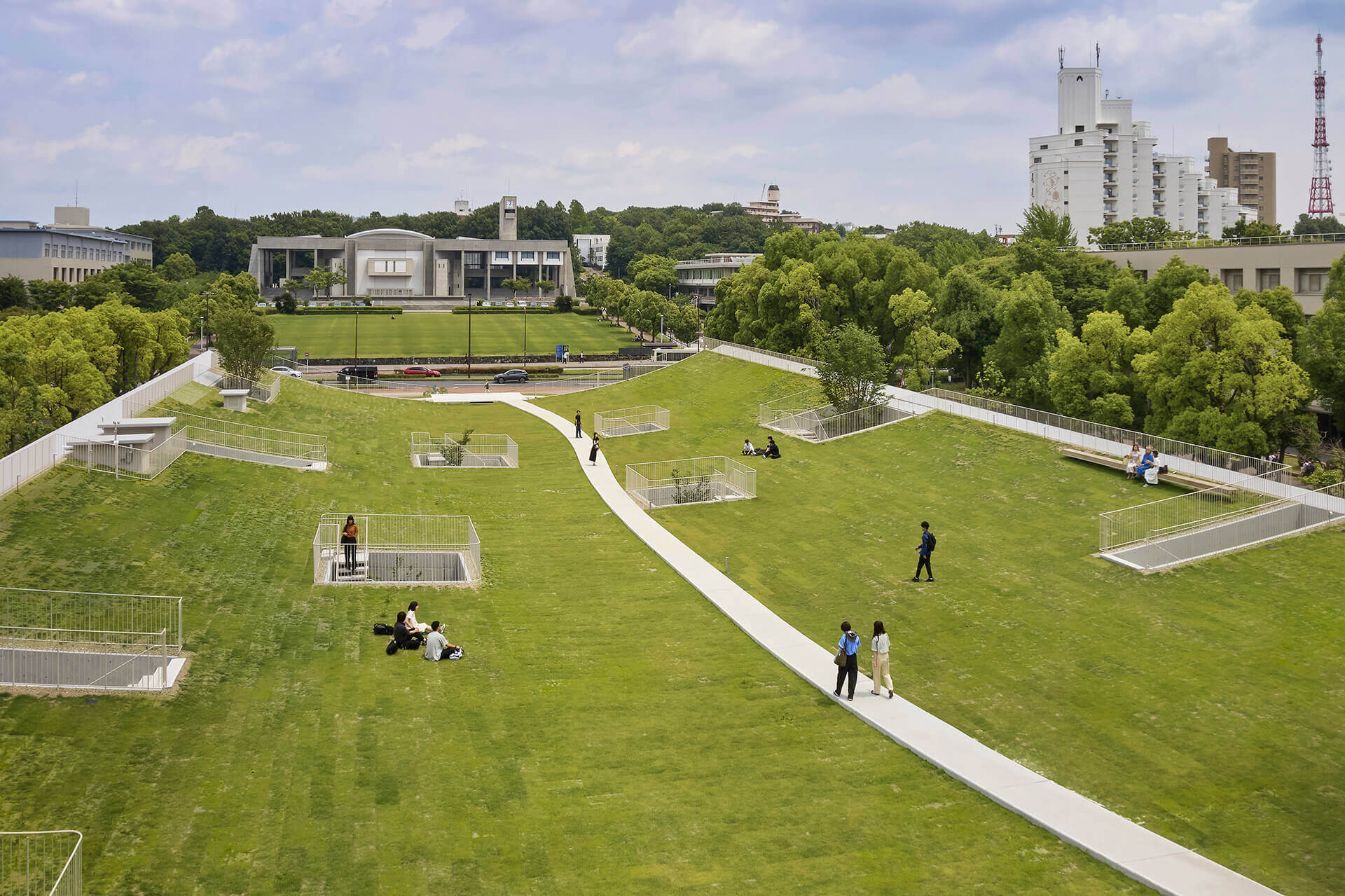
While much of the facility focuses on the active rhythms of fabrication, dialogue, and presentation, the rooftop offers a departure from these functions.
Featuring an open lawn without a predetermined purpose, this area serves as a communal respite where students gather on picnic sheets provided by ComoNe or simply rest on the grass as evening falls.
(Photo: Tomoyuki Kusunose)
In contrast to the building’s other zones which catalyze specific activities, the rooftop provides an essential space for ambiguity, welcoming those without a set agenda or anyone seeking a quiet moment away from the facility’s creative hum.
Ten months in: a look at what's happened so far
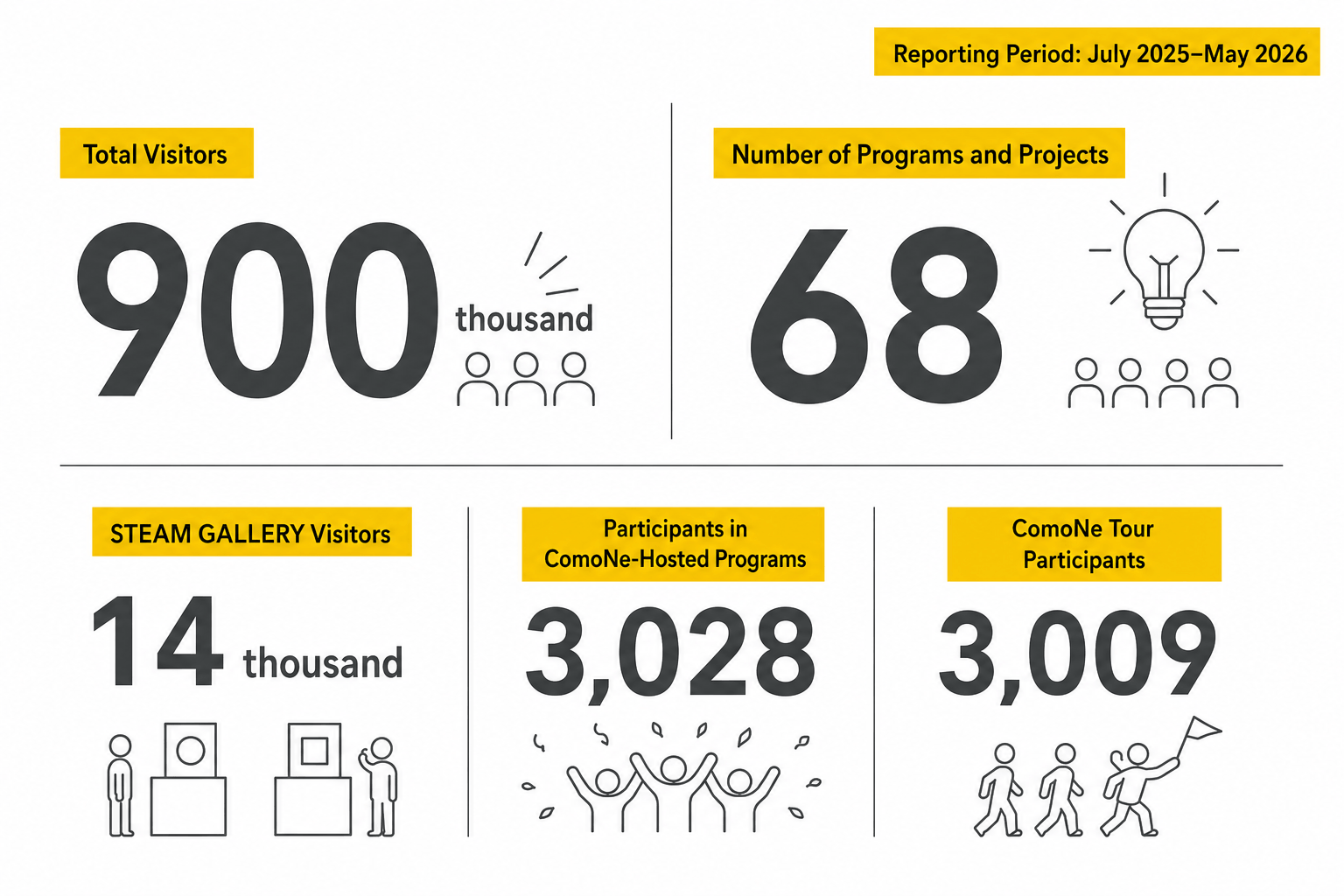
Since its debut in July 1st 2025, ComoNe has welcomed approximately 900,000 visitors through May 2026. This period of activation saw the launch of 68 diverse projects and programs, while the STEAM GALLERY attracted 14,000 attendees. Engagement remained high across the facility, with 3,028 individuals joining ComoNe-led programming and another 3,009 guests participating in guided tours.
The individuals who comprise these figures are visible across the building’s various displays. Dedicated boards feature our ambassadors, current collaborations, and research inquiries awaiting input. These ambassadors represent a multidisciplinary ecosystem of university faculty, corporate leaders, artisanal makers, and regional practitioners, forming a fluid community that bridges the worlds of academia, industry, and cultural production.
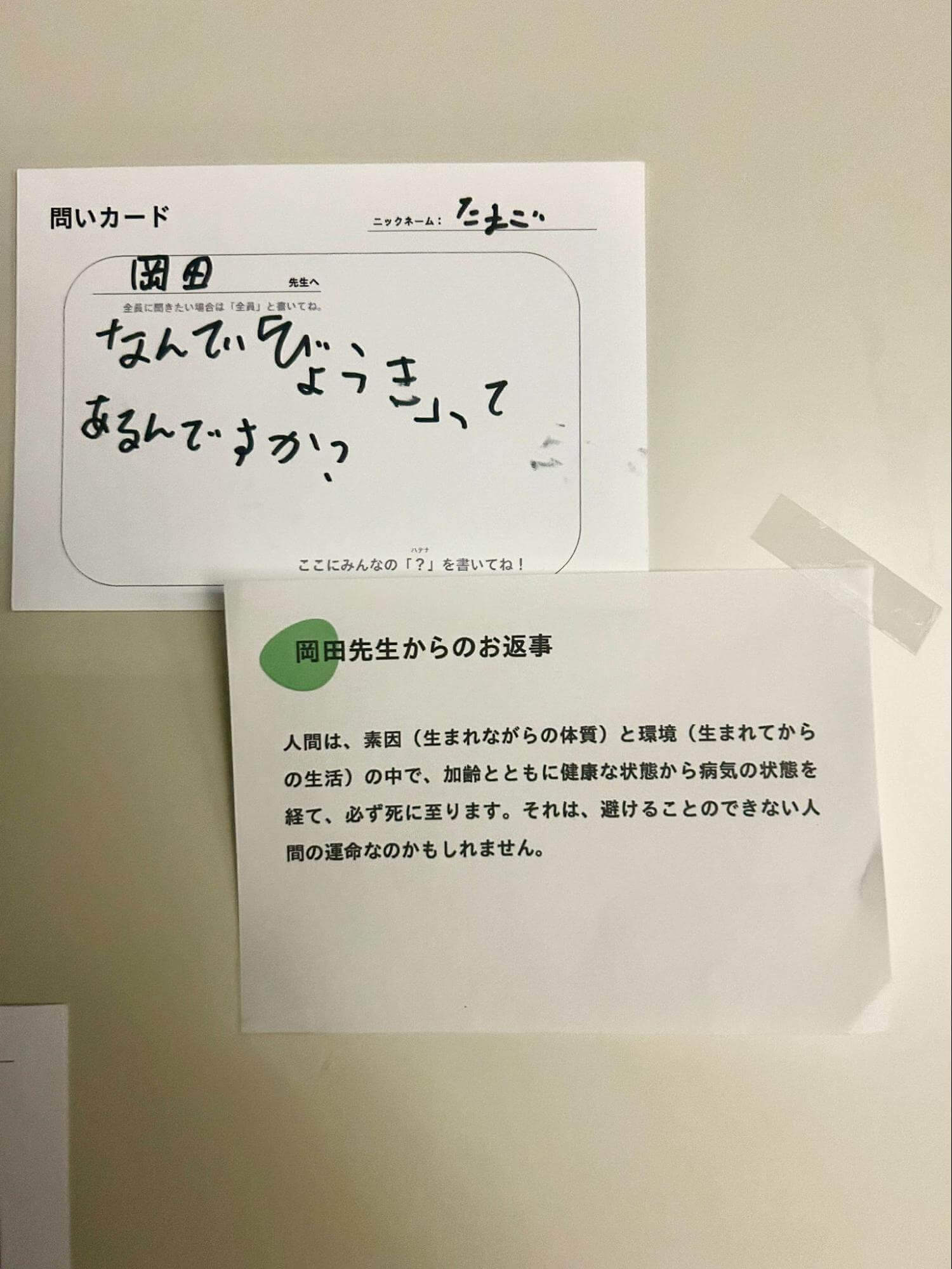
The Researchers’ Board is a place where anyone can post questions and get answers directly from university researchers.
You might see a handwritten note asking ‘Why do people get sick?’ right next to an expert’s thoughtful reply. This simple board shows the heart of ComoNe: that meaningful research doesn’t just happen in journals or lecture halls, but often starts with the curious questions we ask every day.
By sharing these exchanges, the board makes it easy for visitors to see themselves not just as observers, but as a real part of the research community.
Get to know ComoNe best through a tour
Walk through ComoNe, and you’ll notice the small moments right away, the kind of magic that “results” can never really capture.
A student pauses on the grand staircase, drawn to a presentation. Another moves in for a closer look at an exhibition, curious about the research and craft behind it. Over in the FAB SPACE, local students shape robot parts while chatting with researchers and neighbors. In the KITCHEN, people gather to share a meal. And up on the rooftop, ComoNe invites you to just slow down and do nothing.
These pages only show a fraction of what happens here. Walk in and experience the rest for yourself. You’ll discover something no article could ever capture.
Visit us at ComoNe!
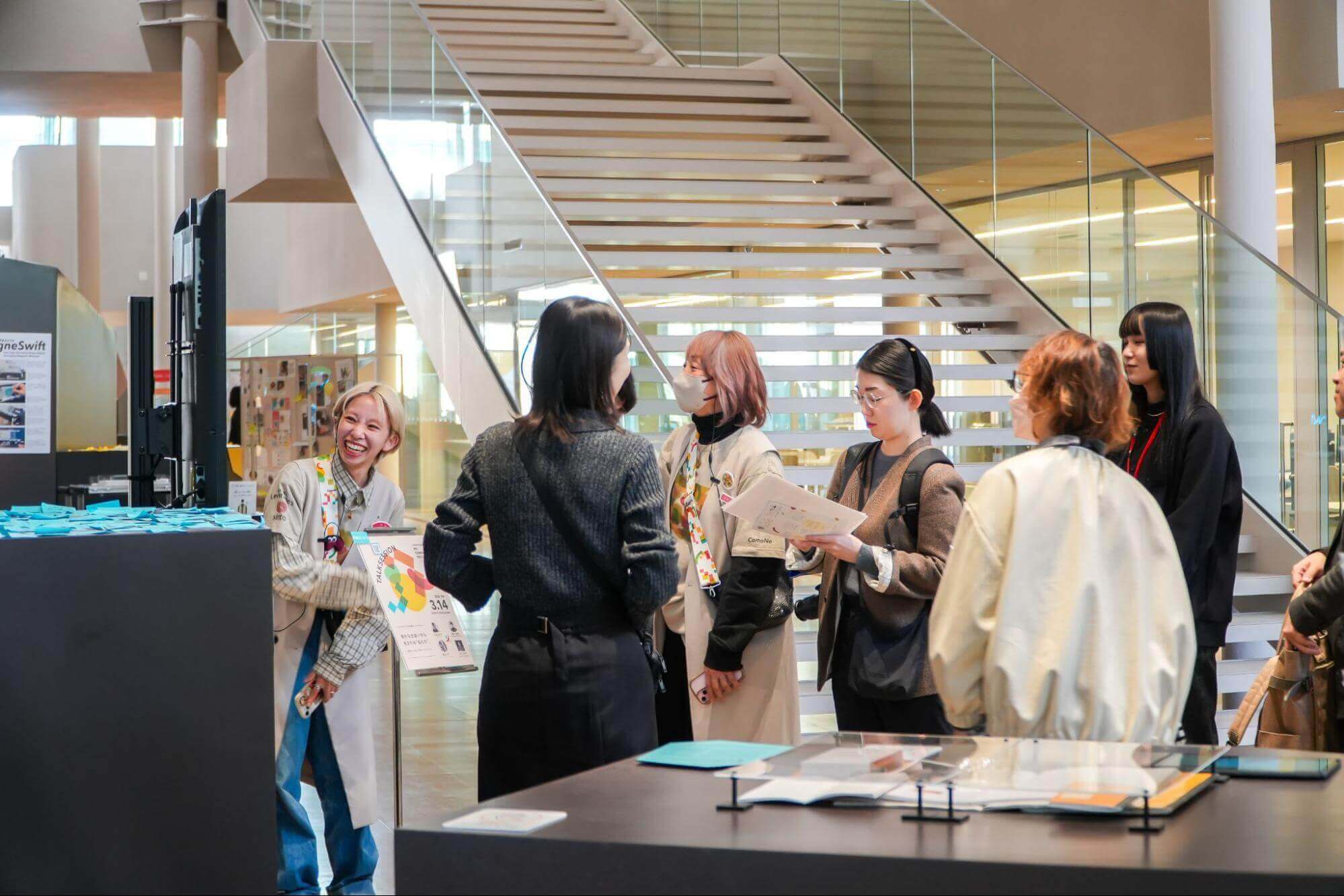
ComoNe regularly offers facility tours and opportunities to take part in events. Information about tours and events is available on its Peatix page.
We look forward to welcoming you to ComoNe!
Written by Mai Miyazaki (Loftwork)
Translated by FabCafe Global Editorial Team
Recommended
-
2026.06.11
Wavering Terrarium: what we built with AI, and what it couldn't decide
-


2026.06.09
What do humans still do the best in the age of AI: An interview with Loftwork's MTRL Tokyo team
-
2026.04.22
Beyond the award: How Loftwork uses open calls to transform how companies innovate
-
2026.02.17
The ripple effect of MVMNT Behind the scenes of the [UN]REAL ESTATE exhibition at MAB25, Bangkok
-
2026.02.06
What happens when vacant spaces are unlocked? The people and stories weaving the connections behind FUJI TEXTILE WEEK
-
2025.12.02
AI is not magic: FabCafe’s ongoing quest to define our relationship with technology
Next Contents